top of page


Study and Self-Assessment Articles
These articles feature self-assessment tests to facilitate learning.


White Line Disease in Horses: What it is, Causes, Treatment, and What to Expect
Learn what white line disease is, what causes it, how to treat it, and how to prevent it.

Horse Education Online
5 min read


The Anatomy of the Fetlock Joint
Learn all the anatomical parts involved in the equine fetlock joint
Horse Education Online
9 min read


When to Apply a Rocker Toe Horseshoe
Learn how rocker toe horseshoes influence breakover, what conditions they can help with, and when to stay away from them.
Horse Education Online
7 min read


Timothy Hay for Horses: Benefits, Feeding, and Who It’s Best For
Timothy hay is one of the most common hays fed to horses in the US because it is usually consistent, easy to manage, and works well as a baseline forage for many adult horses. But “best hay” depends on the horse in front of you. A hay that keeps one horse perfectly fit can cause weight gain in an easy keeper, or fall short for a hard keeper. Your horse’s weight, workload, and metabolic risk matter as much as the hay label. If you are choosing between hay types, start with thi
Horse Education Online
11 min read


The Equine Hip Joint - An Advanced Deep Dive
A deep dive into the equine hip joint covering osteology, articular structures, ligaments and biomechanics
Horse Education Online
5 min read


The Equine Hip Joint: A Guide for Horse Owners
Everything a horse owner should know about the horse's hip joint: from its anatomy and unction, to common issues and injuries that can affect it.
Horse Education Online
5 min read


The Equine Stifle: Anatomy and Function
Learn the anatomy and function of the equine stifle, and its importance to soundness and performance
Horse Education Online
7 min read


Is it Hock, Stifle, or Back Pain? How to Tell the Difference
Hind limb lameness in horses is frequently attributed to the hock, stifle or back, but what are the symptoms and how do we determine which area is causing the lameness?
Horse Education Online
5 min read


Rice Bran for Horses: Weight Gain, Calories, Omega Balance, and Who Should Avoid It
Rice bran can be a useful tool when you need more calories without more starch. That is why it shows up in weight gain programs and in cold weather feeding plans. But rice bran is also one of the most misunderstood feeds online. The details matter, especially the difference between stabilized vs not stabilized, and how a high fat supplement affects omega balance and the rest of the diet. Educational only. Always match feeding changes to your horse’s health status and your vet
Horse Education Online
10 min read


Anatomy of the Equine Mouth and Its Relationship to Bits and Bitting
Learn the anatomy of the equine mouth, and how bits interact with it.
Horse Education Online
7 min read


Beet Pulp for Horses: Benefits, Risks, Soaking, and How Much to Feed
Credit: equimanagement Beet pulp is a high-fiber feed that can support calories, gut fill, and hydration when used correctly. It is popular because it adds digestible fiber without the starch load many owners want to avoid. It is not a magic weight-gain shortcut and it is not right for every horse. The “best” beet pulp plan depends on dentition, eating speed, water access, and how carefully you introduce it. For a quick foundation on how fiber, protein, and energy fit togethe
Horse Education Online
11 min read


Splint Bone Injuries, an Advanced Overview
Learn everything there is to know about splint bones, from their anatomy to possible injuries and their symptoms.
Horse Education Online
7 min read


Equine Influenza (Flu) Vaccine for Horses: Who Needs It, Schedule, and Barn Risk
Learn everything you need to know about vaccinating your horse for Equine Influenza: from determining the need for vaccination to scheduling shots to keep your horse up to date.
Horse Education Online
8 min read


Horse Vaccination Schedule: Core Vaccines, Timing, and Risk-Based Boosters
Credit: foxvalleyequine A horse vaccination schedule is really a risk plan. The right timing depends on what your horse is exposed to this year, not what your neighbour does. Boarding barns, training facilities, travel, mosquito season, and outbreak pressure can all change what matters. Use the guide and chart to build a sensible baseline, then have your veterinarian confirm the exact products and timing for your region and your horse. TLDR Start with core protection most ho
Horse Education Online
13 min read


Horse Stall Mats vs Stall Mattresses: Cost, Install, Joint Safety, and Ammonia Control
Stall flooring is something you notice every day in the barn. It affects how much you spend on bedding, how long stalls take to clean, how strong the ammonia smells, and how comfortable your horses are when they stand and lie down. Rubber stall mats and stall mattress systems can both work very well if they sit on a solid, gently graded base with a clear drainage plan and a realistic cleaning routine. They can both cause problems if urine has nowhere to go and wet spots are n
Horse Education Online
13 min read


Pigeon Fever in Horses: Signs, Abscess Care & Isolation
Credit: vetspecialists Pigeon fever (aka “dryland distemper”) is a bacterial infection caused by Corynebacterium pseudotuberculosis . Most horses show firm, painful swellings that mature into abscesses—often over the chest (pectoral area), along the belly midline, or on a limb. Cases rise in warm, dry months and spread via flies and contaminated equipment or hands. Your first move is safety: isolate the horse , start a vitals log every 30–60 minutes (temperature, heart rate,

Horse Education Online
10 min read


Mud Fever: Treatment, Biosecurity & Prevention
Credit: Equestology Mud fever—also called pastern dermatitis or scratches—is a skin infection that targets the pasterns and fetlocks, often the hind limbs. Wet, muddy footing plus tiny skin nicks lets bacteria/yeast/mites take hold. Your first moves are simple and safe: bring the horse onto dry footing, part or lightly trim hair so you can see skin, do one gentle clean and full dry, then apply a thin, breathable barrier only when the skin is dry. Avoid heavy pastes on damp sk
Horse Education Online
10 min read
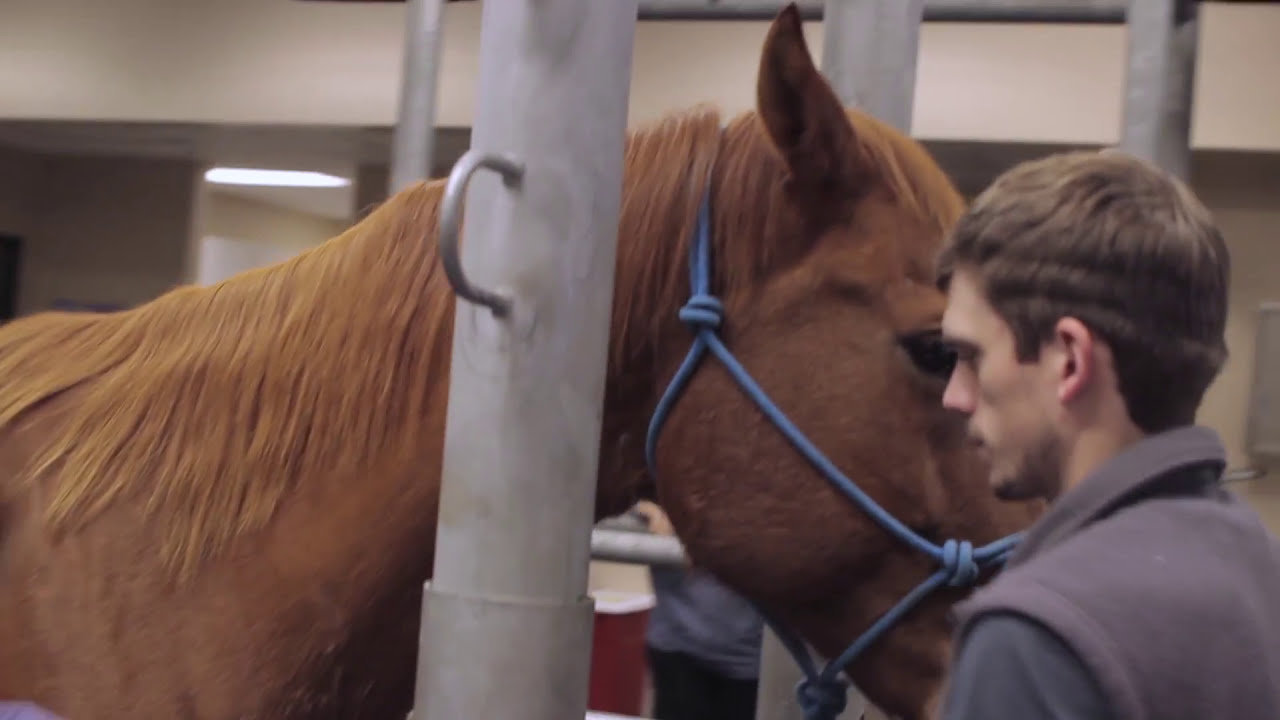
Emergency Colic Kit for Horse Owners: First-Hour Actions & Vitals Checklist
When colic strikes, you don’t have time to hunt for tools or guess what to do next. An Emergency Colic Kit puts the right items in one place—thermometer with lube, stethoscope, watch, headlamp, gloves, notepad—and pairs them with a simple, first-hour plan: observe behavior, take time-stamped vitals, and call with a clear trend. This guide shows exactly what to pack, how to measure, and when numbers cross into “call now.” We’ll keep it owner-safe and practical: short steps, re
Horse Education Online
12 min read


Strangles in Horses: Symptoms, Isolation, Biosecurity, Vaccination
Strangles spreads quickly because barns share water, handlers, and tack—and the first signs can look like “just a cold.” The difference is how fast fever and throatlatch lymph node swelling show up and how easily secretions move from horse to horse. This guide gives you the practical side: the early signs owners actually see, the first 24-hour isolation steps that limit spread, barn biosecurity that works in the real world, when and how testing clears quarantine, and where va
Horse Education Online
10 min read


Gait Faults: Paddling, or Winging-Out
Learn about the gait deviation called paddling or winging out - what causes it, and whether it's considered an issue for the horse.
Horse Education Online
8 min read
bottom of page