top of page

Articles
Whether you are new to the equine field or a seasoned professional, our articles provide insightful and educational content to deepen your expertise and understanding of all aspects of equine care and management.
Applied filters

Read
The Tennessee Walking Horse
Discover the Tennessee Walking Horse, known for its smooth running walk and popularity as a trail and pleasure horse. Explore the breed’s history, temperament, conformation, coat colors, natural gaits, care needs, and genetic conditions. Learn about rider suitability, humane training, and the welfare concerns surrounding soring.

Read
What are "Corns" in Your Horse's Feet?
Corns in horses are painful sole bruises near the heel, often associated with improper shoe fit, thin soles, or excessive pressure. Learn how to recognize the signs, understand dry, moist, and infected corns, and explore diagnosis, treatment, recovery, and prevention. Discover how regular farrier care and early veterinary attention can help protect your horse’s comfort and soundness.

Read
Equine Colic; An Advanced Overview
Learn about colic in horses, including early signs, causes, types, diagnosis, treatment, and prevention. This comprehensive guide explains gas colic, impactions, intestinal twists, sand colic, and more, with practical advice on when to call a veterinarian, what to expect from colic surgery, and how daily management can reduce risk.

Read
The Appaloosa Horse
Learn about the Appaloosa horse, from its Nez Perce history and distinctive coat patterns to its temperament and athletic ability. This breed guide covers conformation, Western and English riding uses, suitability for different riders, everyday care, and important health concerns, including recurrent uveitis and night blindness.


Read
The Ultimate Equine Conformation Study Guide
Learn how to evaluate equine conformation with this complete study guide covering balance, proportions, topline, limb alignment, movement, and common faults. Explore Horse Education Online’s Equine Conformation Study Kit, detailed articles, and printable flashcards to strengthen your knowledge and study with confidence.

Read
Maternal Nutrition and Fetal Programming in Horses
Learn how maternal nutrition and fetal programming in horses can influence foal health, skeletal development, metabolism, immunity, and future performance. This science-based guide explains broodmare body condition, energy, protein, mineral balance, placental health, obesity, stress, and colostrum, with practical feeding and management advice for every stage of pregnancy.

Read
Horse Blanket Size Calculator: Choose the Right Blanket Size for Your Horse
Learn how to measure your horse for a blanket, compare common blanket types, and check the fit for comfort and safety. This practical guide explains horse blanket sizing, what to do when your horse falls between sizes, and how to prevent rubbing, slipping, and restricted movement. Use our Horse Blanket Size Chart and Calculator to choose the right fit.
Read
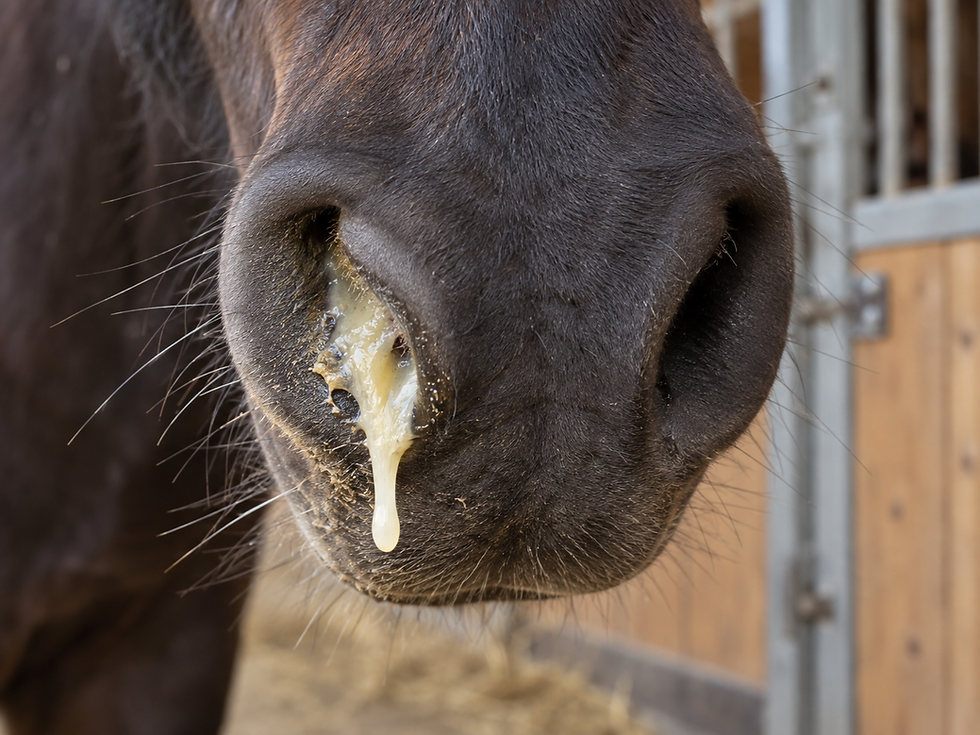
Nasal Discharge in Horses: Causes, and When to Call the Vet
Learn what nasal discharge in horses can reveal about respiratory infections, sinus and dental disease, equine asthma, guttural pouch disorders, choke, pneumonia, and other conditions. This practical guide explains clear, thick, foul-smelling, bloody, one-sided, and bilateral discharge; warning signs that require a veterinarian; safe steps owners can take; common causes; isolation; recovery; and when a runny or snotty nose may signal an emergency.

Read
Introduction to Major Respiratory Diseases in Horses
Learn about the major respiratory diseases in horses, including equine asthma, influenza, strangles, pneumonia, EHV, guttural pouch disorders, airway obstruction, and exercise-induced pulmonary hemorrhage. This introductory guide explains common symptoms, respiratory emergencies, diagnostic tests, treatment, prevention, biosecurity, and when to call a veterinarian, with links to detailed resources on individual conditions.
.png)
Read
Chronic Progressive Lymphedema in Draft Horses
Chronic progressive lymphedema (CPL) is a lifelong condition that causes swelling, thickened skin, folds, sores, and recurrent infections in draft horses and other heavily feathered breeds. Learn how CPL develops, which horses are most at risk, how to recognize early and advanced signs, and how veterinarians and owners manage mites, skin infections, swelling, wounds, hoof care, movement, and long-term comfort.

Read
The Friesian Horse
Discover the Friesian horse, a striking Dutch breed known for its black coat, flowing mane, feathered legs, and elevated movement. Explore the breed’s history, physical characteristics, temperament, traditional and modern uses, care requirements, genetic health concerns, and suitability for dressage, driving, pleasure riding, and other equestrian disciplines.
%20copy.png)
Read
What is Hoof Balance? A Scientific, Peer Reviewed Guide
Hoof balance describes how the shape and alignment of the hoof work with the internal structures of the foot and lower limb during standing and movement. This evidence-based guide explains static and dynamic balance, center of pressure, mediolateral and toe-to-heel loading, breakover, trimming, footing, and why a balanced hoof cannot be defined by perfect symmetry or one universal formula.

Read
Clicking Hooves: Forging in Horses
Forging is often first noticed as a "clicking" sound when the horse moves. It occurs when the toe of a hind hoof strikes the underside or shoe of the forefoot. Learn how hoof proportions, conformation, lameness, rider balance, saddle fit, fatigue, footing, and neurological coordination can affect limb timing, how forging differs from overreaching, and when to involve a farrier or veterinarian.
Read
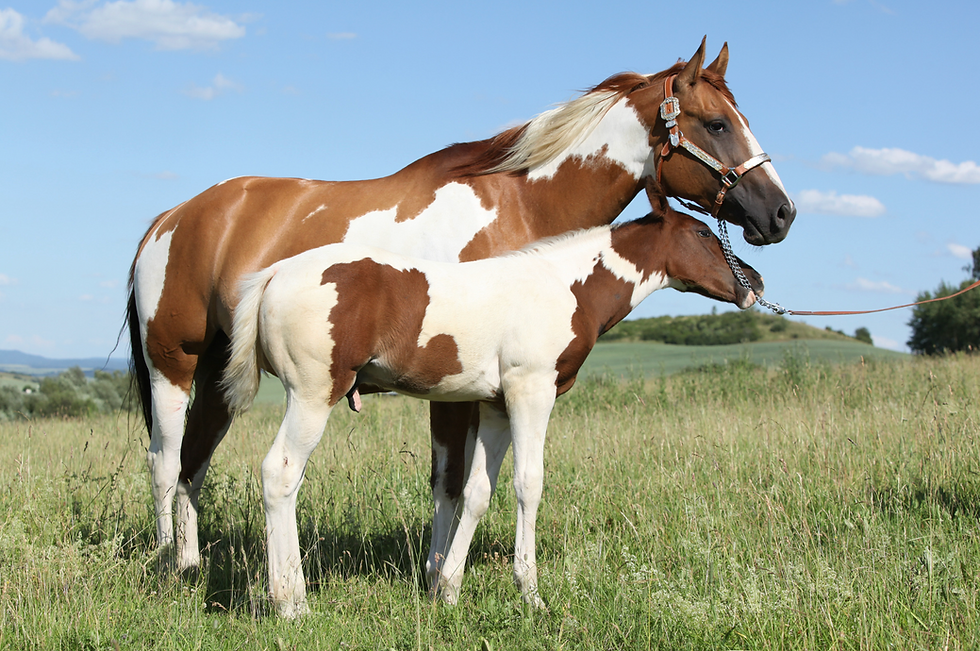
The American Paint Horse
Explore the history, characteristics, coat patterns, temperament, and uses of the American Paint Horse. Learn what separates a registered Paint from a pinto, how tobiano, overo, and tovero patterns develop, which disciplines suit the breed, and which inherited conditions owners and breeders should understand.

Read
What is a "Popped Knee"? Carpal Swelling in Horses Explained
A popped knee can range from a harmless cosmetic blemish to a painful joint condition. Learn about the anatomy of the equine carpus, common causes of knee swelling, signs of lameness, carpal hygromas, chip fractures, arthritis, veterinary diagnosis, and when a swollen knee requires urgent care.
Read
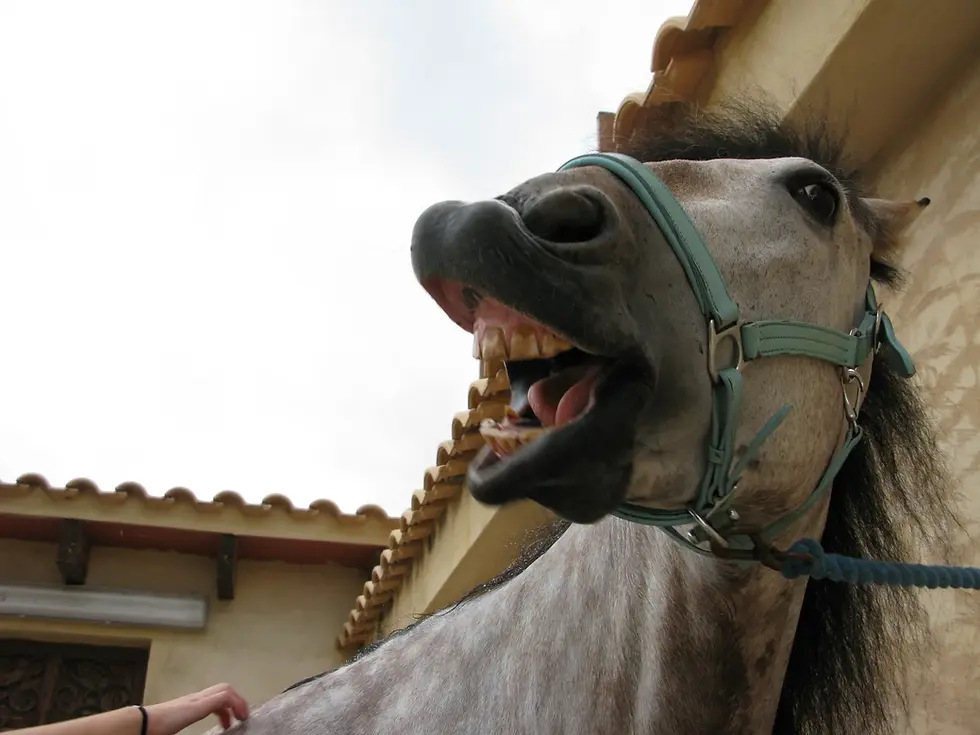
Rabies in Horses: an Advanced Overview
Rabies in horses is uncommon but almost always fatal once neurological signs appear. Learn how the virus spreads, which wildlife species pose the greatest risk, how infection travels from a bite to the brain, and why early signs may resemble colic, lameness, choke or other neurological diseases. This guide also explains diagnosis, pathology, treatment outcome, vaccination and what to do after a suspected exposure.

Read
Western Equine Encephalitis: WEE in Horses
Western Equine Encephalitis (WEE) is a mosquito-borne viral disease that can cause fever, weakness, ataxia, seizures, and death in horses. Learn how WEE spreads, which warning signs require immediate veterinary care, how the disease is diagnosed and treated, and why vaccination and mosquito control remain essential for prevention.
Read
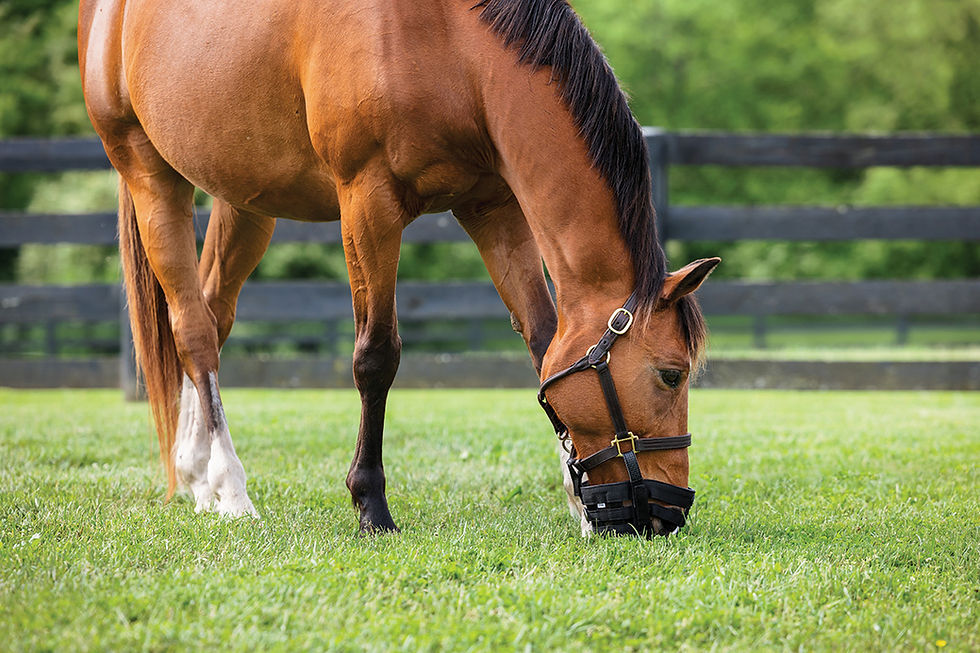
What is PSSM and How Does it Affect Horses? A Deep Dive
Learn what polysaccharide storage myopathy (PSSM) means for horses, including the differences between PSSM1 and conditions historically grouped as PSSM2. Explore common symptoms, tying-up episodes, inheritance, diagnosis, treatment, diet, exercise, emergency care, breeding considerations, and long-term prognosis.

Read
Eastern Equine Encephalitis (EEE) In Horses
Eastern Equine Encephalitis (EEE) is a mosquito-borne viral disease that attacks a horse’s brain and spinal cord. Learn how EEE spreads, recognize its early and advanced neurological signs, understand treatment and prognosis, and discover why vaccination and mosquito control are essential for protecting every horse.

Read
Care and Maintenance of the Geriatric Horse
Senior horse care should be based on health, comfort, dental function, mobility, and body condition rather than age alone. Learn how to monitor an older horse, adjust feeding, recognize signs of PPID, support joint comfort, manage dental issues, and track quality of life with practical, owner-friendly senior horse care tips.


Read
The Thoroughbred Horse
Understanding the Thoroughbred requires looking at the purpose for which it was developed. For more than three centuries, breeders have selected these horses to run efficiently at speed. Thoroughbreds dominate flat racing internationally, but their importance reaches well beyond the racetrack. Learn more about thoroughbreds in this article.
Contact Details
Please feel free to contact us with any questions and queries you might have. We are always happy to help you.
bottom of page