Horse Stall Mats vs Stall Mattresses: Cost, Install, Joint Safety, and Ammonia Control

Updated: Dec 15, 2025

Stall flooring is something you notice every day in the barn. It affects how much you spend on bedding, how long stalls take to clean, how strong the ammonia smells, and how comfortable your horses are when they stand and lie down.
Rubber stall mats and stall mattress systems can both work very well if they sit on a solid, gently graded base with a clear drainage plan and a realistic cleaning routine. They can both cause problems if urine has nowhere to go and wet spots are not removed consistently.
This guide compares mats and mattress systems on cost, installation, drainage, traction, and joint comfort, and walks through daily and weekly routines that keep ammonia in check. Use it alongside regular monitoring of your horse’s vital signs and average heart rate, and always in partnership with your veterinarian.
Education and health disclaimer: This article is for educational purposes only. It is not veterinary, engineering, or construction advice and should not be used to diagnose, treat, or prescribe for any horse.
TLDR
Mats vs mattresses
Pick stall mats for lower upfront cost, simple DIY install, easy single-panel replacement, and flexible barns that may move or reconfigure.
Pick a stall mattress system when you want more cushion, plan to keep the same stalls long term, and are willing to invest more now for potential bedding and disposal savings.
Cost over five years, not just purchase price
Compare five-year cost per stall: materials + install + 5 × annual bedding + 5 × annual disposal + repairs. Mats often win on day one; mattresses may narrow the gap where bedding and manure removal are expensive.
Install and ammonia control
The base is the real foundation: well-compacted, gently sloped, with good edge containment.
You should be able to explain in one sentence where urine goes after it leaves the bedding. If the answer is “into the gaps under the mats,” drainage needs work.
Comfort, traction, and cleaning
Thin mats on concrete feel hard and usually need more bedding. Mattresses spread pressure more evenly but still rely on clean, dry surfaces for traction.
Daily: pick manure and pull wet spots down to a dry layer.
On a regular schedule: strip, wash, rinse, and let stalls dry fully to keep ammonia and slick spots under control.
Stock your barn with our printable Barn-Ready Kits—colic, fever, foaling, strangles, vaccination planners, and more—available in the Barn-Ready Kits collection and free with an Annual Membership.
Which flooring fits which barn
If you strip it down, most decisions come back to three things: budget today, how long you will stay in this barn, and what is under the stall surface.
When stall mats make more sense

Stall mats are usually the better fit when you need flexibility and a lower upfront cost.
They work well in barns that are leased, still being developed, or likely to change layout. You can install them with basic tools, cut them to fit, and lift or move them later if you reconfigure stalls or relocate.
On the ground, mats give you a firm, grippy surface over a properly prepared base. Comfort depends heavily on what’s underneath (concrete vs compacted stone) and how much bedding you use. Expect to budget for more bedding over time, especially on concrete, to keep joints and bony points comfortable.
Mats are also easier to manage one at a time. If a panel is damaged, you can swap just that piece instead of disrupting the entire stall.
When a stall mattress is the better fit
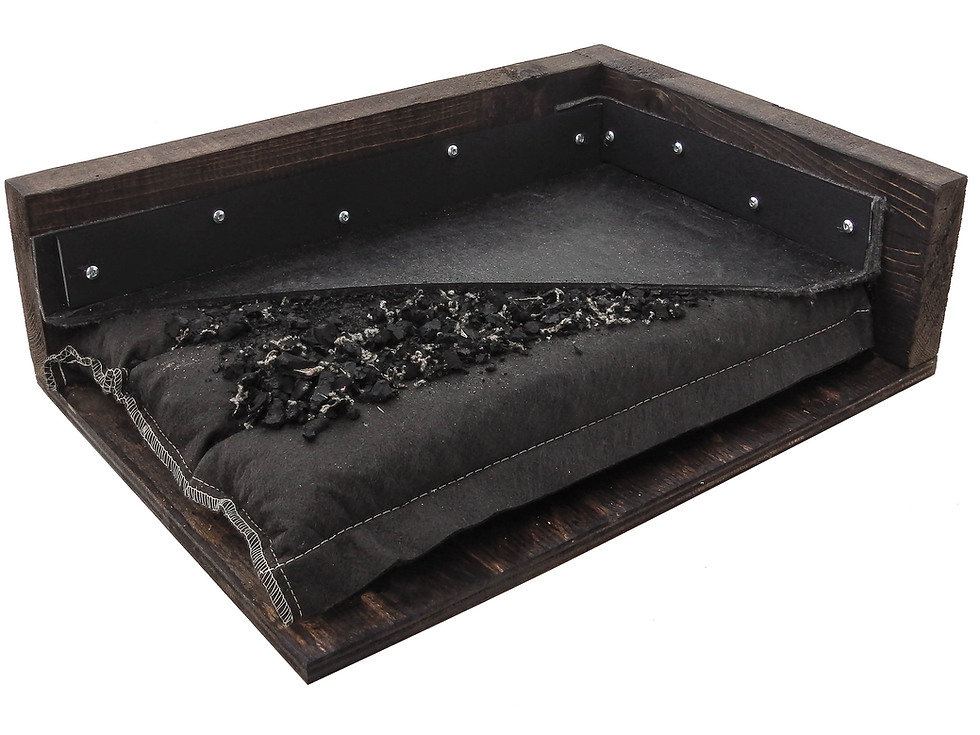
Stall mattress systems are usually the better choice when you want maximum cushion and a long-term setup.
They make the most sense in barns where horses stay in the same stalls for years, and where you are ready to invest in good base prep and a more involved install. Once in place, the mattress layer spreads pressure more evenly, so the whole body is supported instead of a few deep hoof prints and one packed-down sleeping spot.
Because the mattress provides most of the shock absorption, many barns can use slightly less bedding while still keeping horses comfortable, which may help offset the higher purchase price over several years. However, they are less flexible: if you move barns or change stall sizes, you cannot repurpose them as easily as individual mats.
Big-picture difference
Mats: lower initial cost, high flexibility, comfort driven by base + bedding.
Mattress systems: higher initial cost, long-term setup, more built-in cushion and potential bedding savings when managed well.
Quick decision table
Barn reality | Stall mats tend to fit best when… | Stall mattresses tend to fit best when… |
Concrete vs compacted stone | You already have smooth concrete or a solid stone base, and you are prepared to use enough bedding for comfort. | You can build or improve a compacted, gently graded stone base and want a softer, more uniform feel. |
Turnover and short leases | Horses and boarders change often, or you might move barns and want flooring you can remove or sell. | Horses are long-term residents and you own or long-lease the facility. |
Budget now vs 5-year cost | You need to keep initial cash low, even if bedding costs stay higher. | You can handle higher upfront cost and want to control bedding and manure-pile costs over several years. |
Cost and total cost of ownership
It is easy to compare mats and mattress systems on the purchase price alone, but that is only part of the bill. Over a few years, bedding, manure disposal, and your time often cost more than the flooring itself.
A simple way to think about it is:
Total cost over 5 years = materials + install + bedding + disposal + repairs
If you write this out for each option, it becomes much clearer which one actually fits your barn and budget.
Quick 5-year cost worksheet (per stall)
You can drop this structure straight into a spreadsheet:
Line | What to enter (per stall) | Notes |
A | Material cost | Mats or mattress kit for one 12 × 12 stall. |
B | Install labor cost | Your hours × your hourly rate + any contractor. |
C | Annual bedding cost | Average bedding used per week × price × 52. |
D | Annual disposal cost | Manure removal, dumpster, fuel, or equipment time. |
E | Repairs and replacements (5 years) | Any expected mat or cover replacements. |
Then calculate:
Five-year cost per stall = A + B + (5 × C) + (5 × D) + E
Five-year barn cost = five-year cost per stall × number of stalls
When you plug in real numbers, you will usually see:
Mats win on day-one price, especially if your base is already good.
Mattress systems may narrow the gap, or occasionally win, when bedding and disposal are expensive or you manage many long-stay horses.
Inside the member area, the Stall Flooring Cost & Install Checklist and calculator follow this same structure so you can compare mats and mattress systems stall by stall without building the sheet from scratch.
Stall flooring 5-year cost snapshot tool (mats vs mattress)
Install that prevents pooling and ammonia
Ammonia problems almost always start the same way: urine sits somewhere it should not. That might be in low spots in the base, under loose seams, or in improvised “channels” under mats. Over time, this is hard on both horses and people.
If you ever notice coughing, eye or nose irritation, or changes in breathing, treat that as a health concern first and talk with your vet. Our guides on the horse’s vital signs and how to tell if your horse is sick are there to help you gather information, not to replace a veterinary exam.
Base prep
A good base is firm, smooth to the eye, and gently sloped. For most barns that means a well-compacted stone or screenings layer, or smooth concrete with a built-in slope.
You want a surface that does not move when you walk on it, with no obvious dips or ridges. Around the edges, use boards, curbs, or solid walls so mats or mattress pads have something to push against instead of creeping outward.
Layout and seams

For mats, the goal is tight seams and clean edges. Interlocking mats help, but straight-cut mats work if you measure and trim carefully. Narrow slivers at the wall or around posts are where urine loves to sneak through.
For mattress systems, follow the manufacturer’s layout pattern so under-padding and cover lie flat and smooth. Wrinkles, folds, or sagging areas are early warning signs that liquid may sit instead of moving toward the drainage area.
Drainage you can explain in one sentence
A simple test: you should be able to describe in one sentence where the urine goes after it leaves the bedding.
If your answer is “into some gaps under the mats,” that is a problem. A better answer sounds like: “across a gently sloped base to the back wall drain,” or “along the mattress layer to the low edge where we clean regularly.”
Avoid carving random channels. They usually become pockets that hold stale urine rather than routes that carry it away.
First 24 hours after install: quick checklist
Use this short sequence before horses and bedding go in:
Walk the whole stall. Feel for soft spots, rocking corners, or hollow sounds and mark them.
Look at seams and edges. Close obvious gaps; plan recuts where mats or covers do not meet cleanly.
Pour a little clean water in several spots, especially where you expect horses to urinate. Watch where it flows and where it pools.
Check from the aisle and doorway. Make sure water is not running under walls, into neighboring stalls, or toward high-traffic areas.
Lift and adjust problem spots. Fix low or high spots with the right base material, re-compact, and refit mats or covers.
Confirm edge restraints. Mats or pads should not slide when you push with your boot.
Let the stall dry completely before bedding and horses go in.
Catching and fixing these issues in the first day is much easier than trying to solve ammonia and pooling once the stall is in full use.
Joint comfort and traction — what horses feel
From the horse’s point of view, stall flooring is about how hard it feels underfoot, how much the surface moves, and whether it stays dry enough to feel safe. That experience changes with base type, mat thickness, mattress depth, and how you manage bedding.
Cushion and pressure points
On thin mats over concrete, the surface still feels quite firm. Most of the impact goes straight through to the concrete, so many barns need a deeper bedding pack to keep horses comfortable, especially when they lie down.
On mats over compacted stone, there is usually a little more “give.” Even so, horses still depend on bedding for a soft resting area under hips, shoulders, and hocks. Stall mattresses are designed to spread pressure out more evenly. Instead of a few deep hoof prints and one packed-down sleeping hollow, the whole body is supported by a more uniform cushion.
Watch your horses closely. If they avoid lying down, seem restless in the stall, or suddenly prefer sleeping outside, they may be telling you that the surface inside is not as comfortable as they need.
Traction and slip risk

Traction is mostly about clean, dry contact. Rubber mats and mattress covers both provide good grip when they are clean. Slips tend to happen in the same places: just inside the doorway, under water buckets, and in front of feeders where urine, spilled water, or feed build up. In winter, heated buckets and de-icers can reduce ice, but they also increase splash and wet footprints—use a drip tray or extra bedding in that zone and review Heated Water for Horses in Winter: What Actually Increases Intake (and What’s Unsafe) for safe setup and spill control.
Soap or disinfectant that is not rinsed away completely can also leave a slick film, even on a textured surface.
Make wet zones part of your daily checklist and watch horses walk in and out. A single slip in the doorway is a sign to check seams, base level, and how wet that area stays.
Bedding strategy that supports comfort

On mats, most barns use more bedding to soften the surface, with extra depth where horses sleep. On mattresses, cushion comes from the pad, so bedding can be a bit shallower overall, with more in urine spots and less in quiet corners.
Keep water and mashes where drainage is good and where you can easily reach wet spots. If hocks and fetlocks are consistently damp or stained from lying down, adjust your bedding pattern and wet-spot routine before assuming a bigger problem with the flooring itself.
Daily and weekly cleaning that keeps ammonia low
Ammonia problems almost always come from wet spots left in place too long or urine trapped under mats. The flooring you choose helps, but your routine is what keeps stalls livable.
Daily: simple, consistent routine
Each day, aim to:
Remove all manure.
Dig out obviously wet bedding until you reach a dry, clean layer on top of the mat or mattress cover.
Pay extra attention to areas under and in front of water buckets, automatic waterers, and hay where horses often urinate or spill water.
In cold weather, buckets that stay warmer can create the same persistent wet spot every day—tighten your “wet zone” routine and see Heated Water for Horses in Winter: What Actually Increases Intake (and What’s Unsafe) for heater safety, cord routing, and ways to prevent chronic spills.
If you can smell ammonia as soon as you open the stall door, there is usually more wet material to find.
Weekly (or set schedule): deep clean
On a regular schedule that fits your barn:
Strip the stall to the mat or mattress cover.
Sweep off loose debris.
Wash with a cleaner that is safe for rubber or the specific mattress cover, then rinse well.
Let the surface dry completely before adding bedding and horses.
Loose mats may also need to be lifted occasionally so you can level and re-compact the base and remove soaked material underneath. Mattress systems should be cleaned the way the manufacturer recommends; some are not meant to be opened routinely.
Avoid “covering up” ammonia
The main mistakes are:
Throwing dry bedding on top of wet spots instead of removing them.
Spraying strong deodorizers without fixing pooling or base problems.
Think “remove wet first, then manage smell.” Clean, dry stalls make it easier to control skin and leg issues linked to damp conditions; for more on those, see our guides on rain rot and mud fever.
Winter stalls — water, mashes, and hydration inside
In winter, horses often spend more time inside, move less, and drink less if water is cold or unappealing. Flooring and stall setup matter because they influence where horses stand, eat, and drink, and how easy it is for you to spot changes.
Keep water easy and appealing
Inside the barn, aim for:
Clean buckets or waterers scrubbed regularly, not just topped up.
Water that is not icy and not full of hay and bedding.
Buckets placed where horses already stand to eat, but not so close that every mouthful of hay lands in the water.
The biggest red flag is change. A horse that usually drains both buckets but suddenly leaves them full deserves a closer look and a call to your vet.
Salt, electrolytes, and checks
Salt and electrolytes support hydration, but exact amounts should always be planned with your veterinarian or nutritionist. For background and planning tools, see our guide on horse salt and electrolytes and the Equine Salt & Electrolyte Calculator in our tools section. Use them as education, not as dosage instructions.
Build quick checks into your stall routine:
Skin pinch, gum moisture, and manure consistency.
Changes in drinking and appetite.
Periodic temperature checks during weather swings.
For step-by-step how-tos, review how to tell if a horse is dehydrated and our fever guide. If anything seems off, flooring is only one small piece: call your vet and share what you are seeing.
Conclusion
There is no one “right” stall floor for every barn. Good results come from matching the surface to your base, budget, and cleaning routine, then watching how your horses respond.
Use stall mats when you need a lower upfront cost, a straightforward DIY install, and the flexibility to move or reconfigure stalls. Use a stall mattress system when long-term horses, joint comfort, and bedding savings matter more than day-one price. In both cases, the real foundation is the base: well-compacted, gently sloped, with clear drainage and tight edges so urine has somewhere to go instead of pooling and creating ammonia.
Day to day, simple habits make the biggest difference: pick manure, pull wet spots down to a dry layer, deep clean on a regular schedule, and let stalls dry fully before re-bedding. If you notice stiffness, changes in breathing, fever, or “off” behavior as you change flooring or routines, treat that as a health question first. Our guides on the horse’s vital signs, average heart rate, and early sick signs can help you gather information for a call to your vet—they do not replace that call.
Education and health disclaimer: This article is for educational purposes only. It is not veterinary, engineering, or construction advice and should not be used to diagnose, treat, or prescribe for any horse.
For more ready-to-use barn tools beyond flooring—like colic, fever, foaling, and biosecurity action plans—explore our Barn-Ready Kits, all unlocked with an Annual Membership.
FAQs: stall mats, stall mattresses, and horse health
1. Do stall mattresses really reduce bedding use compared to rubber mats?
Often they can, because the mattress provides most of the cushion and bedding is used mainly for moisture and cleanliness. Over time, that may lower bedding and manure-pile costs compared with thin mats on concrete. The only way to know for your barn is to track bags or bales used per stall and run a simple 5-year cost comparison.
2. What thickness of rubber mat works best for a 12 × 12 stall?
Most full-stall mats for horses are around ¾ inch thick. That thickness usually stays put, protects the base, and is still movable by two people. Comfort still depends on what is underneath (concrete vs stone) and how much bedding you use.
3. Can I lay mats directly on concrete, or should I add a base layer?
You can put mats directly on smooth, well-sloped concrete, and many barns do. It is stable and easy to clean if mats come up. The trade-off is that it feels harder, so most barns use more bedding for comfort. Whatever you choose, make sure you have a gentle slope and a clear idea of where urine will go, not just “into the cracks.”
If a horse in a newly floored stall shows colic-type signs, use our colic first-hour kit guide and contact your vet.
4. How do I stop urine from pooling under flat mats?
Pooling usually means the base is uneven or the seams are loose. The fix is to lift mats, re-grade and compact the base with a gentle slope to a specific low point, then refit mats tightly with good edge containment. Masking the smell with sprays will not solve pooling; you have to address the low spots and gaps.
5. How often should I deep clean under mats or mattress covers?
For most busy stalls on mats, plan to strip, scrub, rinse, and dry on a regular schedule (for example weekly or bi-weekly), and lift mats for a base check a few times a year or when odor returns quickly. Mattress systems should be cleaned on top as often as the manufacturer recommends, and you should only open or lift covers underneath if that is part of the approved care instructions.
6. Will a stall mattress help an older or arthritic horse lie down and get up more easily?
A good mattress can offer a softer, more even surface, and some owners feel older horses are more willing to rest and rise on that type of footing. It is still not a treatment for arthritis or other disease. If an older horse struggles to lie down or rise, check their vital signs and talk with your vet about a full comfort plan, not just flooring.
7. Can stall flooring affect dehydration or electrolyte balance?
Flooring does not directly change electrolyte needs, but it can influence how horses use the stall and water. Slick, smelly, or uncomfortable stalls can make horses pace, stand in one area, or drink less. Hydration is mainly about clean water, appropriate salt and electrolytes, and early checks for trouble.
Use our guides on how to tell if a horse is dehydrated and horse salt and electrolytes as education tools while you plan with your vet; do not use them to self-prescribe doses.
8. What stall-flooring red flags mean I should call my veterinarian, not just fix the mats?
Call your vet promptly if you see:
A horse that is reluctant to move, lie down, or rise, especially if this is new.
Changes in manure or drinking along with dullness or discomfort.
Fever or abnormal heart rate, breathing, or gum color when you check vitals.
Our guides on fever in horses and how to tell if your horse is sick can help you gather information for that call—but they do not replace it.



Comments