
How Much Does a Horse Cost? Purchase Price Plus the First Year Budget


Buying a horse feels like a one time decision. In real life, the purchase price is only the entry fee.
Your first year budget depends more on where you keep the horse and what help you need (lessons, training, hauling, vet access) than the number on the bill of sale. Costs also swing a lot by region and barn type in the US.
Use our first-year planner to estimate your real budget in minutes.
Quick answer
Most US buyers fall into three common “horse types,” and the numbers usually look like this:
Typical purchase price ranges (US)
Horse type (typical buyer intent) | Common price range | What you are really paying for |
Pet or pleasure trail horse | $1,500 to $7,500 | Basic soundness, manners, safe enough for casual riding |
Lesson safe, beginner friendly | $7,500 to $20,000 | Reliability, training, predictable temperament |
Show ready, proven record | $15,000 to $60,000+ | Skill, show miles, breeding, and a resume My New Horse+1 |
These ranges overlap because “safe and trained” can cost more than “fancy and green.” A quiet, older gelding that packs beginners can easily be priced above a younger, athletic horse that is not rideable for most people. My New Horse+1
Typical monthly range
If you board your horse, many owners land somewhere around $600 to $1,500+ per month for board and routine basics, with big regional outliers (some areas are much higher).
A useful mental shortcut: monthly costs often match a car payment, but emergencies can look like a sudden home repair bill.
What surprises new owners most
The surprise is rarely hay or grain. It is the “not every month” stuff that still happens regularly.
Emergency vet visits, training rides to fix a problem before it becomes dangerous, hauling for vet or shows, and last minute changes in boarding needs are the common budget breakers. Learn more by reading the Equestrian Canada's Best Practices Guide for BUYING AND SELLING A HORSE
What makes one horse cost 2,500 and another 25,000
Here’s the simple truth: horses are priced by risk and usefulness. The more likely the horse is to safely do your job tomorrow, the more it costs today.
Training and rideability
Training is time, and time is money. A horse that calmly walks, trots, canters, stands for mounting, loads, and hacks out alone is expensive because it is hard to produce.
Example: a “green” horse might be cheap, but if you need 6 months of pro training to make it safe, the total cost can jump fast.
Age and soundness

Prime aged, consistently sound horses tend to cost more because the buyer can use them right away.
Very young horses can be cheaper up front, but they are also a longer project. Older horses can be a great value when they are truly steady and maintained, but soundness history matters.
Breed, papers, and show record
Papers and show results do not automatically mean the horse is right for you, but they often raise the price because they increase predictability and resale value.
If two horses ride the same, the one with a verified record usually sells faster and for more.
Location and market seasonality (winter vs spring market)
In many areas, more horses hit the market in spring when people are motivated to ride and barns are busy. That can mean more choices, but also more competition from buyers.
Winter can bring fewer listings, and sometimes better negotiating, but it depends on region and weather. Use the planner to run the numbers before you fall in love with the first horse you sit on.
The true cost after you buy (monthly and yearly)
Most first year budgets have the same core buckets. What changes is the barn level, how much help you need, and how far you travel.
A helpful way to think about it is “fixed monthly” plus “seasonal and surprise.”
Here are realistic US ranges many owners land in.
Board and housing

Board is usually the biggest line item, and it sets your baseline lifestyle.
Pasture board is often cheaper and can be great for easy keepers and horses that do well living out. It usually includes turnout and basic care, but not always grain or blanketing.
Full board typically includes a stall, daily turnout, hay, and basic feeding. It can also include holding for farrier or vet, but not always.
At home can look cheaper on paper, but it shifts costs into fencing, shelter, equipment, bedding storage, and your time. It also raises the importance of having a reliable plan for emergencies and hauling.
Use a simple monthly log from day one. It is the fastest way to see where your budget actually goes, especially in the first 90 days. If you want a ready-to-use system, grab the Complete Annual Vaccination Planner (12 month schedule plus adverse reaction log) and keep it with your barn records.
Feed and bedding
Feed costs are less about “how fancy your grain is” and more about what is included at your barn.
Some barns include hay and basic feed in board. Others bill grain, supplements, and extra hay separately, especially in winter.
If you are trying to estimate feed, start with your horse’s weight and workload. Owners regularly underfeed hay on paper, then spend more in real life when weather hits. If you need a quick reference, see How Much Does a Horse Weigh (and why it matters for feeding):
If you want a simple foundation for feeding choices, the easiest refresher is The Basics of Equine Nutrition:
Routine vet
Routine care is predictable, which is why it is worth budgeting properly.
Most horses need regular vaccines based on risk, fecal testing with deworming decisions, and dental work on a schedule. Your exact plan should match your region, travel exposure, and barn traffic.
A simple tip that saves money over time is to set aside a small amount monthly for routine care, even if the vet bills come only a few times per year. It prevents the “big bill month” from turning into a cash flow problem.
If your barn ever has a strangles case, the cost is not just vet care. It is missed training, extra board services, and biosecurity supplies. Having a protocol ready protects both your horse and your wallet. Keep the Strangles Outbreak Protocol Barn Ready isolation and biosecurity checklist printed in the tack room so everyone follows the same steps.
Build your routine care timeline by using our Vaccine Planner
Farrier
Even if you keep this line item simple, do not ignore it.
Some horses do well with routine trims only. Others need shoes for their job or footing. Either way, budget for consistent appointments, not “when it looks long.”
Training and lessons
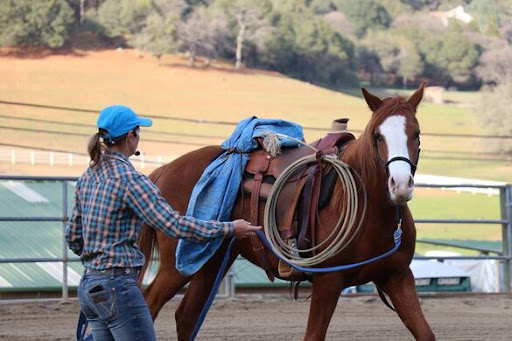
This is the bucket new owners underestimate most.
If you are newer, lessons are your safety budget. If your horse is green, training rides are your “problem prevention” budget. A few professional rides early often costs less than fixing a dangerous habit later.
A good starting assumption for many first time owners is one lesson per week for the first few months, then adjust based on progress and confidence.
Quick planning table (typical ranges)
Cost bucket | Typical monthly range | Typical yearly range |
Board and basic care | $400 to $1,500+ | $4,800 to $18,000+ |
Feed and bedding add ons | $50 to $300 | $600 to $3,600 |
Routine vet set aside | $50 to $150 | $600 to $1,800 |
Farrier | $40 to $250 | $480 to $3,000 |
Lessons and training | $0 to $800+ | $0 to $9,600+ |
These ranges are intentionally broad because the barn level changes everything. Your planner number gets accurate when you plug in your exact barn quote and your realistic lesson frequency.
First year budget examples (3 scenarios)
These are simplified, owner realistic examples. They are not perfect, but they show why “cheap horse” and “cheap first year” are not the same thing.
Scenario A: Pasture board trail horse
This is a common budget for a steady trail horse on pasture board, with light lessons early on.
Purchase price might be $3,500 to $7,500.
Monthly costs often land around $650 to $1,100 depending on what the barn includes and how much you haul out.
Year one tends to be higher than later years because you buy tack, safety gear, and do a baseline vet and dental reset.
Example first year total (ballpark):
Category | Example cost |
Purchase price | $5,500 |
Board and basics | $7,200 |
Vet routine and dental | $1,200 |
Farrier | $900 |
Lessons (light) | $1,200 |
Tack and equipment (first year) | $1,500 |
Hauling and misc | $600 |
Estimated first year total | $18,100 |
Scenario B: Full board lesson horse
This fits a newer rider buying a safe horse and keeping it at a full service barn, with consistent lessons.
->Purchase price might be $8,000 to $18,000.
Monthly costs often land around $1,100 to $2,200 because full board and weekly lessons add up quickly.
A practical tip here is to budget for at least one training ride per month in the first 90 days if you are still building confidence. It keeps the horse tuned and makes your lessons more productive.
Example first year total (ballpark):
Category | Example cost |
Purchase price | $12,000 |
Board and basics | $15,600 |
Vet routine and dental | $1,500 |
Farrier | $1,800 |
Lessons (weekly) | $3,600 |
Tack and equipment (first year) | $2,000 |
Hauling and misc | $900 |
Estimated first year total | $37,400 |
Scenario C: Show barn and training package
This is a horse in a program with training rides, coaching, and show related expenses. This is where budgets jump fast.
->Purchase price might be $20,000 to $60,000+.
Monthly costs can land around $2,500 to $5,500+ once you include training board, lessons, and show travel. Even a “light” show season can add a lot.
A smart move is to decide your show schedule first, then work backwards. A horse in training with no show plan is one of the easiest ways to overspend without improving results.
Example first year total (ballpark):
Category | Example cost |
Purchase price | $30,000 |
Training board and program | $36,000 |
Vet routine and maintenance | $3,000 |
Farrier | $3,000 |
Lessons and coaching | $4,800 |
Show fees and travel | $6,000 |
Tack and equipment upgrades | $3,000 |
Estimated first year total | $85,800 |
Plug your numbers into the planner: /tools/horse-purchase-budget-planner
Emergency fund planning
What a reasonable emergency fund looks like
If you only budget for normal months, you are not really budgeting. You are hoping.
A practical emergency fund target for many US owners is $1,500 to $5,000 per horse in cash savings, separate from your regular bills. If your horse travels, lives far from an equine hospital, or is older, plan toward the higher end.
Common emergencies that change budgets fast
Costs jump fastest when you need urgent care plus diagnostics.
Real examples include colic evaluation, sudden lameness, eye injuries, deep wounds, and high fever. Even when it is not life threatening, “urgent” visits can stack exam fees, sedation, imaging, fluids, and medications. If you ever suspect colic, use this first hour guide. If you are worried about lameness, start with this step by step lameness assessment guide. If you suspect fever, use this temperature chart and red flag guide.
This is why it helps to know your horse’s baseline. If you are not confident with normal ranges yet, bookmark The Horse’s Vital Signs so you can act earlier and communicate clearly.
When “cheap horses” become expensive
A lower purchase price can be a good deal only if the horse matches your skill level and your ongoing budget.
The most common “expensive cheap horse” stories come from two places: a horse that needs professional training to be safe, or a horse that needs ongoing veterinary management to stay comfortable.
What to do when you suspect colic
Colic is the moment most owners realize why an emergency fund matters.
If you ever suspect colic, follow this first hour guide so you know what to check, what to record, and when to call.
A big part of emergency cost control is having your first steps written down before stress hits. If you want a checklist you can actually use at the barn, save the Colic Emergency Kit First 2 hours response guide and monitoring log. It keeps vitals, timing, and vet instructions in one place.
How to lower costs without cutting corners
Choose board that prevents problems
Lower cost usually comes from fewer expensive mistakes, not from skipping care.
A slightly higher board bill at a well run barn can save money by catching issues early and keeping routines consistent. A cheaper setup that misses early illness signs can get expensive fast.
Spend on prevention, not repairs
Preventive care is one of the best long term money savers, especially in busy barns.
Build a routine plan that fits your horse’s risk level using the vaccines hub, then set aside a small monthly amount so routine vet work never becomes a cash flow surprise.
Buy used tack smart, and phase your upgrades
You can save a lot by buying used for items like saddle pads, coolers, grooming kits, and many barn tools.
Be more cautious with safety and fit. Helmets should be new, and saddle fit mistakes can turn into vet or training bills later.
A good rule is to buy the essentials, ride for 30 to 60 days, then upgrade based on what you actually use.
Avoid false economy mistakes
Skipping lessons can cost you in confidence and safety. Skipping farrier appointments can lead to avoidable soreness and time off.
If you want the simplest next step, plug your numbers into the planner and include an emergency fund line item so your budget can handle real life.
FAQs
How much does a horse cost per month?
If you board your horse, many owners land around $600 to $1,500+ per month once you add board, farrier, routine vet set asides, and a realistic training or lesson plan.
If you keep a horse at home, the monthly cash outflow can look lower, but you usually trade that for higher upfront setup costs and more “surprise” spending when equipment or fencing needs change.
To sanity check your own numbers, use the Horse Purchase Budget Planner.
How much should I save before buying a horse?
Aim for three buckets before you buy:
Purchase price and closing costs (pre purchase exam, hauling).
Three months of board and basics.
An emergency fund.
A common emergency fund target is $1,500 to $5,000 per horse, depending on travel, distance to an equine hospital, and the horse’s age.
If you want a practical framework for “what normal looks like,” keep The Horse’s Vital Signs handy.
Is it cheaper to keep a horse at home?
Sometimes, but it depends on what you already own.
If you already have safe fencing, shelter, a good water setup, storage for hay and bedding, and a trailer plan, home care can reduce monthly board costs. If you have to build or repair those basics, home care can cost more than boarding for the first year or two.
What is the cheapest way to own a horse responsibly?
The lowest cost setup that still protects the horse usually looks like:
A horse that is genuinely easy to handle, kept at a straightforward facility with safe turnout, with routine farrier care and a risk based vet plan.
The key is to avoid “false savings” that create expensive problems later. Preventive care is part of that, so build a routine plan using the vaccines hub.
What costs the most in horse ownership?
For most owners, the biggest cost drivers are:
Board and training level, especially full board versus a program barn.Lessons and training rides when you are learning or when the horse needs tuning.Unexpected vet bills.
This is why the first year almost always costs more than later years.
Are older horses cheaper or more expensive long term?
Older horses can be an excellent value when they are well managed and truly steady.
Long term, some older horses need more maintenance, more monitoring, or more careful management, which can raise costs. The best “budget” horse is usually the one that matches your riding level and stays comfortable in the job you want.
For a quick baseline check that helps with feeding and management decisions, see How Much Does a Horse Weigh.
What should be included in a first year horse budget?
A good first year budget includes:
Purchase price, pre purchase exam, hauling, board, feed add ons, routine vet, dental, farrier, lessons or training, tack and safety gear, and an emergency fund.
If you want the faster path, plug in your barn quote and lesson plan using the Horse Purchase Budget Planner.
How do I plan for colic costs in my budget?
You plan for colic the same way you plan for a car repair. You keep an emergency fund and you know what to do in the first hour so you can act quickly.
If you ever suspect colic, use this first hour guide so you are not guessing under pressure.
Conclusion
If you take one thing from this, let it be this: the purchase price is only the start. Your first year budget is driven by board level, training needs, and how prepared you are for the unexpected.


Comments