
Windpuffs in Horses: Causes, Diagnosis, and Management of Fetlock Swelling

Windpuffs, also called windgalls, are soft swellings that appear around the back or sides of the fetlock joint in horses. They are most often seen as puffy, fluid-filled enlargements near the lower limb, especially around the fetlock, where the flexor tendons pass down the back of the leg. To a horse owner, windpuffs can look alarming at first because they may make the fetlock region appear enlarged or uneven. However, many windpuffs are benign, long-standing, and cosmetic rather than painful.
Windpuffs or windgalls on a horse Windpuffs or windgalls on a horse
Did you know? In horses, a visible swelling, mark, or abnormality that does not interfere with the soundness, movement, or usefulness of the animal is called a blemish
What Are Windpuffs?
The swelling associated with windpuffs usually develops when synovial fluid accumulates within either the digital flexor tendon sheath or, less commonly, the fetlock joint capsule. Synovial fluid is a normal lubricating fluid found inside joints and tendon sheaths. Its job is to reduce friction and allow smooth movement. The digital flexor tendon sheath is a synovial structure. This means it contains synovial fluid and has a lining that produces and regulates that fluid. As the tendons glide during walking, trotting, cantering, and jumping, the tendon sheath helps reduce friction and allows the tendons to move smoothly.
When more fluid than usual is produced, or when the surrounding synovial structure becomes distended, the swelling becomes visible from the outside.

Many windpuffs are not a sign of a serious problem. This is particularly true when the swellings are soft, cool to the touch, symmetrical between limbs, and not associated with pain or lameness. In many older horses, performance horses, or horses in regular work, mild chronic distension of the tendon sheath may remain visible even when the horse is completely sound.
However, not all windpuffs should be dismissed as harmless. Swelling in the digital flexor tendon sheath can also occur with inflammation, tendon injury, tenosynovitis, or damage to important structures within the sheath. In these cases, the swelling may be warm, painful, sudden in onset, or associated with lameness. Understanding the difference between a quiet cosmetic swelling and a potentially significant tendon sheath problem is important for every horse owner.
Windpuffs are not a disease by themselves. They are a physical finding. The key question is whether the swelling reflects harmless chronic fluid distension or whether it is a sign of an active musculoskeletal problem.
Why Windpuffs Develop
Windpuffs develop because of increased fluid inside a synovial structure. In many horses, this is related to repetitive mechanical stress. The fetlock and digital flexor tendon sheaths (Deep and Superficial) are exposed to repeated loading over months or years of work. With time, the sheath may respond by producing more synovial fluid or by becoming chronically stretched.

This process is similar to how some people develop mild swelling around joints after years of athletic activity. The swelling may not be painful, but it reflects long-term use of a structure that has been repeatedly stressed.
In horses, the lower limb contains very little muscle. Most of the visible structures around the fetlock are tendons, ligaments, bone, skin, and synovial structures. Because there is not much soft tissue covering the area, even a small amount of extra fluid can become visible.
The important point is that windpuffs are not always caused by injury. They can develop simply from chronic use and repeated loading. However, they can also develop when a structure inside the tendon sheath is inflamed, irritated, or damaged. This is why context matters. A long-standing, cool, symmetrical swelling in a sound horse is very different from a new, hot, painful swelling in one limb.
Types of Windpuffs
Windpuffs can be divided into two general categories: idiopathic or benign windpuffs, and pathologic windpuffs.
Idiopathic or Benign Windpuffs
Idiopathic windpuffs occur without a detectable structural injury. The word “idiopathic” means that there is no clearly identified underlying disease or injury causing the swelling.
These windpuffs are often considered benign because they do not cause pain or interfere with the horse’s soundness.
Benign windpuffs are typically:
Soft
Cool to the touch
Painless when palpated
Long-standing rather than sudden
Similar on both limbs
Not associated with lameness
These swellings are common in older horses and horses in consistent work. They may be especially noticeable after exercise, during warm weather, or after standing in a stall, but they do not usually cause a change in gait.
In many cases, benign windpuffs represent chronic distension of the digital flexor tendon sheath. The sheath has become slightly enlarged and remains that way. Cold therapy, rest, or supportive bandaging may temporarily reduce the swelling, but chronic windpuffs often do not disappear completely.
For many horses, benign windpuffs are primarily a cosmetic concern. They may affect how the leg looks, but they do not necessarily affect how the horse moves or performs.
Pathologic Windpuffs
Pathologic windpuffs are different. These occur when the swelling is associated with inflammation, irritation, or injury within the digital flexor tendon sheath or nearby structures. In these cases, the swelling may be a sign of a more important musculoskeletal problem.
Possible causes of pathologic windpuffs include:
Tenosynovitis
Lesions of the deep digital flexor tendon
Injury to the superficial digital flexor tendon
Damage to structures such as the manica flexoria or annular ligament.
Tenosynovitis means inflammation of a tendon sheath. In the case of the fetlock region, it refers to inflammation involving the digital flexor tendon sheath. This can cause increased synovial fluid production, pain, and swelling.
The deep digital flexor tendon and superficial digital flexor tendon both pass through the digital sheath. Injury to either tendon can cause inflammation and fluid accumulation. Even small lesions inside the sheath may be painful because the tendons must glide smoothly through a confined space.
The manica flexoria is a band of tendinous tissue associated with the superficial digital flexor tendon. It originates from the medial and lateral borders of the superficial digital flexor tendon and surrounds the deep digital flexor tendon. Because of its location within the tendon sheath, damage to the manica flexoria can cause swelling, pain, and lameness.
The annular ligament is another important structure in this region.
It helps hold the tendons close to the back of the fetlock. If the annular ligament becomes thickened or damaged, it can restrict movement within the tendon sheath and contribute to swelling and discomfort.
Pathologic windpuffs are more likely to be associated with heat, pain, sudden enlargement, asymmetry, or lameness. These cases require veterinary evaluation because treatment depends on identifying and managing the underlying cause.
Articular (non-tendinous) vs. Non-Articular (tendinous)
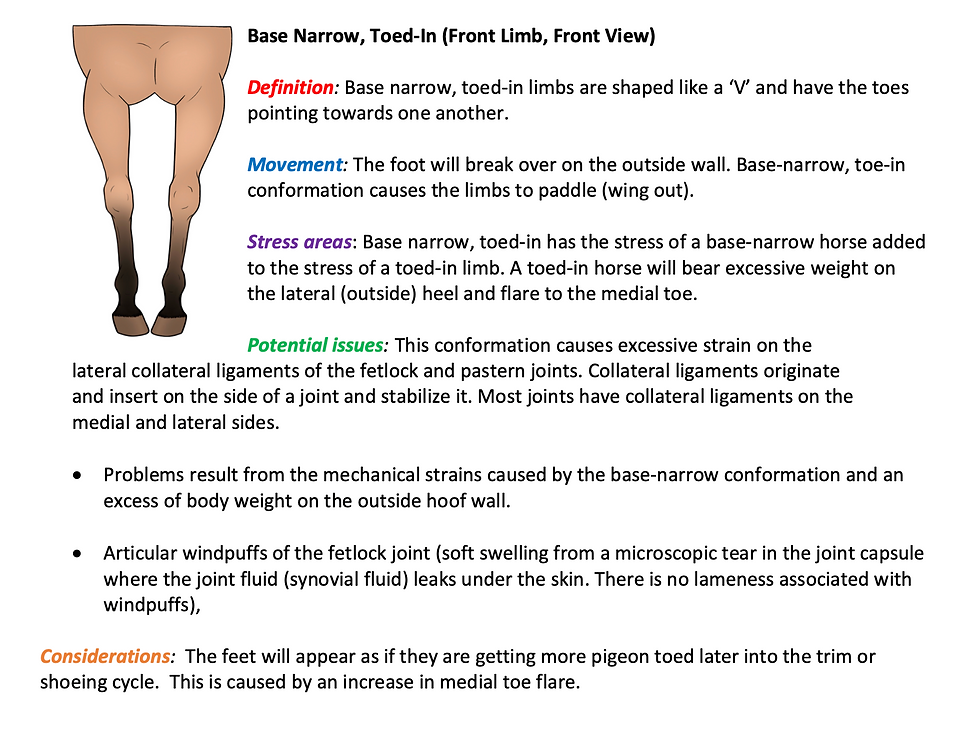
Windpuffs that involve the tendon sheaths are classified as "tendinous" or "non-articular", while windpuffs that involve the fetlock joint capsule are classified as "non-tendinous", or "articular". Articular windpuffs occur when microscopic tears in the fibrous joint capsule allow small amounts of synovial fluid to leak out. Because of the microscopic nature of the tears, articular windpuffs are no more likely to cause lameness than non-articular windpuffs. Even though some synovial fluid leaks from the joint capsule, the joint increases its synovial fluid production to make up for the loss, which causes articular windpuffs to be mostly asymptomatic.
Common Causes and Risk Factors
Windpuffs usually develop because of mechanical stress on the fetlock and surrounding soft tissues. Several factors may increase the likelihood that a horse will develop visible swelling.
Repetitive Exercise
Repeated loading of the fetlock joint during exercise can increase synovial fluid production within the tendon sheath. Horses that perform regular athletic work place repeated stress on the flexor tendons and the structures around the fetlock.
This does not mean exercise is bad. Horses are built to move, and controlled conditioning is important for musculoskeletal health. Problems are more likely when the workload increases too quickly, when the horse does not have enough recovery time, or when the limb is repeatedly stressed beyond what the tissues can comfortably tolerate.
Conformation can influence how forces travel through the limb. Horses with long, sloping pasterns or conformation that allows increased fetlock hyperextension may place greater strain on the flexor tendons and supporting structures.
Fetlock hyperextension refers to the downward sinking motion of the fetlock when the horse bears weight. Some degree of this motion is normal. However, when the fetlock drops excessively, the soft tissues that support the back of the limb may experience increased strain.
Conformation alone does not guarantee that a horse will develop windpuffs, but it can contribute to the overall mechanical load placed on the lower limb.
The example below illustrates how a base narrow, toed-in conformation can lead to windpuffs.
Hoof Imbalance
Improper trimming or shoeing can alter the way the horse loads the limb. Hoof imbalance may affect breakover, landing pattern, and the distribution of forces through the fetlock and tendons.
For example, a hoof that is not balanced from side to side may place uneven stress on the structures of the lower limb. A long toe may delay breakover and increase strain on the flexor tendons. Because the hoof is the base of support for the entire limb, small imbalances can affect structures higher up the leg.
Maintaining balanced hoof care is one of the most practical ways to reduce unnecessary stress on the fetlock region.
Hard or Uneven Footing
Footing matters. Working on hard surfaces increases concussion through the limb, while uneven footing can cause unpredictable loading. Both may increase mechanical stress on the distal limb.
Hard ground, compacted arenas, rocky trails, or frozen footing can all increase impact. Deep or inconsistent footing can also be a problem because the horse may have to work harder to stabilize the limb. Over time, these conditions may contribute to irritation of the tendon sheath or surrounding soft tissues.
Age and Long-Term Work
Chronic wear and tear can contribute to persistent tendon sheath distension. Older horses and horses with long athletic careers may develop windpuffs simply because their lower limb structures have been exposed to years of repetitive loading.
This does not necessarily mean the horse is unsound. Many older horses with visible windpuffs remain comfortable and useful. However, age and work history should be considered when evaluating any swelling.
Clinical Signs of Benign Windpuffs
Benign windpuffs have a fairly typical appearance. They are usually soft swellings around the back or sides of the fetlock. They are often cool to the touch and do not cause pain when gently palpated.
The horse should remain sound. There should be no shortened stride, head bob, reluctance to turn, stiffness, or change in performance. The swelling is often symmetrical, especially in the hind limbs.
Common signs of benign windpuffs include:
Soft swelling around the back of the fetlock
Cool skin temperature over the swelling
No pain when the area is handled
Similar swelling on both limbs
No lameness or performance change
A long-standing, stable appearance
These windpuffs may look more obvious after work or after the horse has been standing, but they generally do not worsen dramatically from one day to the next.
Warning Signs That Need Veterinary Attention
Certain signs suggest that the swelling may not be a simple cosmetic windpuff. These signs should prompt veterinary evaluation.
Heat is one concern. A warm swelling may indicate active inflammation. Pain is another important warning sign. If the horse reacts when the area is touched, lifts the leg away, pins the ears, or shows discomfort, the swelling should not be ignored.
Sudden onset swelling is also important. A windpuff that appears overnight, especially in only one limb, is more concerning than a swelling that has been present for months or years without change.
Asymmetry matters as well. If one fetlock is noticeably more swollen than the opposite limb, or if the swelling is localized to one side, there may be an underlying injury.
Lameness is one of the most important warning signs. Benign windpuffs typically do not cause lameness. If the horse is lame, short-strided, reluctant to bear weight, or uncomfortable during work, the swelling should be evaluated by a veterinarian.
Warning signs include:
Heat in the swelling
Pain on palpation
Sudden swelling
Swelling that affects only one limb
Increasing size
LamenessReduced performance
Sensitivity around the fetlock
Concern for infection or injury
These signs do not automatically mean the horse has a severe injury, but they do mean that the swelling deserves a closer look.
How Windpuffs Are Diagnosed
Veterinarians diagnose windpuffs using a combination of physical examination, movement evaluation, and diagnostic imaging when needed.
Physical Examination
The first step is a careful examination of the limb. The veterinarian evaluates the location of the swelling, its consistency, and whether it appears to involve the tendon sheath or the joint capsule. They compare the swelling to the opposite limb and look for heat, pain, wounds, or other abnormalities.
Palpation helps determine whether the swelling is soft, firm, fluid-filled, painful, or associated with thickening of the surrounding tissues. The veterinarian may also flex and extend the limb to evaluate comfort and range of motion.
The horse’s gait is usually assessed as well. This may include walking and trotting in hand, evaluating the horse on a straight line and circle, and observing whether the swelling is associated with lameness.
Diagnostic Imaging
If the swelling is painful, sudden, asymmetrical, or associated with lameness, diagnostic imaging may be recommended.
Ultrasound is commonly used to evaluate the digital flexor tendon sheath. It allows the veterinarian to examine the superficial digital flexor tendon, deep digital flexor tendon, tendon sheath, annular ligament, and related soft tissue structures. Ultrasound can help identify tendon lesions, synovial thickening, fluid accumulation, or abnormalities within the sheath.
Radiographs, also called X-rays, may be useful if joint involvement is suspected or if the veterinarian wants to evaluate nearby bones and the fetlock joint. Radiographs do not show tendons as clearly as ultrasound, but they are useful for assessing bone and joint changes.
In more complex cases, advanced diagnostics may be considered. Tenoscopy, which involves using a small camera to look inside the tendon sheath, may be used in selected cases. This can be both diagnostic and therapeutic, especially when lesions inside the sheath need to be evaluated or treated directly.
The goal of diagnosis is not simply to confirm that swelling exists. The goal is to determine whether the swelling is harmless or whether it reflects a treatable injury.
Treatment and Management
Treatment depends on the type of windpuff. A quiet, cosmetic windpuff is managed differently from swelling caused by tenosynovitis or tendon injury.
Conservative Management for Benign Windpuffs
For benign windpuffs, treatment is usually conservative. These swellings may not need aggressive treatment if the horse is sound, comfortable, and performing normally.
Cold therapy, such as cold hosing or icing, may help reduce swelling after exercise. Rest following strenuous work may also help if the swelling becomes more noticeable after activity. Supportive bandaging may temporarily reduce fluid accumulation, although bandages should be applied correctly to avoid creating pressure points or uneven compression.
Training adjustments may also be helpful. If windpuffs become more prominent after intense work, it may be useful to review the horse’s conditioning program, footing, recovery schedule, and workload. Gradual conditioning is preferable to sudden increases in intensity.
It is important to understand that chronic windpuffs may persist even with careful management. Once the tendon sheath has become chronically distended, it may not return completely to its original appearance. In these cases, the goal is not necessarily to eliminate the swelling, but to keep the horse comfortable and monitor for changes.
Veterinary Treatment for Pathologic Windpuffs
When inflammation or injury is present, treatment should focus on the underlying cause. Simply trying to reduce the swelling without understanding why it is there may delay proper care.
Veterinary treatment may include anti-inflammatory medication, controlled rehabilitation, injection therapies within the tendon sheath, or surgical intervention in more severe cases.
Controlled rehabilitation is especially important when a tendon or tendon sheath structure is injured. This may involve a carefully planned return-to-work program that allows healing tissues to adapt gradually. Too much work too soon can worsen an injury, while too little controlled movement may not provide the proper stimulus for recovery.
Injection therapies may be used in selected cases to reduce inflammation within the tendon sheath. These should be performed by a veterinarian and only after an appropriate diagnosis.
Surgical intervention may be considered when there is significant damage to structures within the tendon sheath, such as the manica flexoria or annular ligament, or when conservative management is not successful. The exact approach depends on the injury and the individual horse.
Prevention and Long-Term Care
Windpuffs cannot always be prevented, especially in older horses or horses with many years of work. However, the risk of developing problematic swelling may be reduced by good management.
Balanced hoof trimming and shoeing are essential. Because hoof balance affects limb loading, regular farrier care can help reduce unnecessary stress on the fetlock and flexor tendons.
Training should be increased gradually. Sudden changes in workload, speed, footing, or intensity can overload soft tissues. Horses need time to develop strength and adapt to new demands.
Footing should be considered carefully. Prolonged work on hard, uneven, slippery, or inconsistent surfaces can increase strain on the lower limb. When possible, horses should be worked on safe, consistent footing appropriate for the activity.
Recovery time matters. Horses in regular work need adequate rest between demanding sessions. Swelling that appears after hard work should be monitored, especially if it increases or becomes associated with heat or soreness.
Routine limb inspection is one of the simplest and most valuable habits for horse owners. By feeling the horse’s legs regularly, owners learn what is normal for that horse. This makes it easier to recognize changes early.
Track Windpuffs and Fetlock Swelling Over Time
Windpuffs are often easiest to understand when you know what is normal for that horse. A soft, cool, long-standing swelling may not matter much, but a new change in size, heat, pain, symmetry, or soundness can be important.
Use Horse Tracker to record fetlock photos, swelling size, skin temperature, pain on palpation, lameness notes, workload, footing, farrier changes, cold therapy, rest days, veterinary findings, ultrasound results, and return-to-work progress.
This helps you spot patterns instead of guessing from memory, especially when windpuffs change after hard work, warm weather, stall rest, or footing changes. You can also use the Horse Tracker App to keep ongoing leg checks, treatment notes, and performance changes organized.
Frequently Asked Questions About Windpuffs in Horses
What are windpuffs in horses?
Windpuffs, also called windgalls, are soft, fluid-filled swellings that appear around the back or sides of the fetlock. They usually involve extra synovial fluid within the digital flexor tendon sheath or, less commonly, the fetlock joint capsule. Many windpuffs are cosmetic and do not affect soundness.
Are windpuffs harmful to horses?
Many windpuffs are not harmful if they are soft, cool, painless, long-standing, symmetrical, and not associated with lameness. These are often called benign or idiopathic windpuffs. However, windpuffs that are warm, painful, sudden, one-sided, increasing in size, or linked to lameness may indicate inflammation or injury.
What causes windpuffs in horses?
Windpuffs usually develop because of increased fluid inside a synovial structure around the fetlock. Repetitive exercise, long-term loading, conformation, hoof imbalance, hard or uneven footing, age, and years of regular work can all contribute. Some windpuffs also develop because of tendon sheath inflammation or injury.
What is the difference between benign and pathologic windpuffs?
Benign windpuffs are usually soft, cool, painless, stable, and not associated with lameness. Pathologic windpuffs are more concerning because they may involve tenosynovitis, tendon injury, annular ligament problems, manica flexoria damage, heat, pain, sudden swelling, asymmetry, or lameness.
When should a veterinarian examine windpuffs?
A veterinarian should examine windpuffs if the swelling appears suddenly, affects only one limb, becomes warm or painful, increases in size, causes sensitivity around the fetlock, or is associated with lameness or reduced performance. These signs suggest the swelling may not be just cosmetic.
Can a horse be ridden with windpuffs?
Many horses with benign windpuffs can continue normal work if they are sound, comfortable, and the swelling is stable. If the swelling is new, hot, painful, asymmetrical, increasing, or linked to lameness, the horse should be evaluated before continuing exercise.
How are windpuffs diagnosed and managed?
Windpuffs are diagnosed through physical examination, movement evaluation, palpation, and sometimes ultrasound, radiographs, or advanced diagnostics. Benign windpuffs may only need monitoring, cold therapy after work, careful conditioning, good hoof balance, and appropriate footing. Pathologic windpuffs need treatment directed at the underlying inflammation or injury.
References
Dyson, S., Murray, R., Schramme, M., & Branch, M. (2003). Lameness in the horse: investigation and diagnosis. Equine Veterinary Education, 15(2), 97–108.
Dyson, S., & Ross, M. (2011). Diagnosis and Management of Lameness in the Horse. 2nd ed. Elsevier.
Ross, M. W., & Dyson, S. J. (2011). Diagnosis and Management of Lameness in the Horse. Elsevier.
MSD Veterinary Manual. (2025). Digital Sheath Tenosynovitis in Horses.
Ricard, M. (2026). Windpuffs in Horses: Causes, Symptoms, and Treatment. Mad Barn.
Horse & Hound Veterinary Library. Windgalls in Horses.
Your Horse. Windgalls on a Horse’s Leg Explained.




Comments