
Horse Breeds Explained: Finding the Right Horse for Different Riders and Disciplines

Updated: Sep 4

Horses come in an incredible variety of shapes, sizes, colors, and personalities. Some are built for speed and athletic competition, while others are famous for their calm nature and tremendous strength. For beginners entering the horse world, understanding horse breeds can feel overwhelming at first. Terms like warmblood, draft horse, or hot-blooded are often used in conversations, but many newcomers may be unsure of what they really mean.
The good news is that learning about horse breeds is one of the most enjoyable parts of becoming involved with horses. Each breed has its own history, personality traits, and strengths. Some breeds are better suited for beginner riders, while others are more appropriate for experienced equestrians pursuing competitive goals. Some breeds are also more popular amongst U.S. owners than others.
In this article, we will look at the main horse breed categories, explain the difference between hot-blooded, warmblood, and cold-blooded horses, and explore some of the best breeds for beginners and popular riding disciplines.
For deeper breed profiles, start with our guides to the Arabian horse, the Andalusian horse, and mustangs in the United States. You can also compare popularity trends in our article on the most popular horse breeds in the United States.
Understanding Horse Breed Categories
Horse breeds are often grouped by:
Size
Body type
Temperament
Athletic ability
Historical purpose
Many people assume all horses are fairly similar, but breeds were developed for very different jobs. Some horses were bred to carry knights into battle. Others pulled farm equipment, traveled long distances across deserts, or raced at incredible speeds.
Because of selective breeding over hundreds of years, modern horse breeds tend to excel at particular activities. If you're a history buff, you might enjoy reading The Domestication of the Horse: A Historical Introduction for Beginners, and A Brief History of Horse Breeding.
Differences Between Hot-Blooded, Warmblood, and Cold-Blooded Horses
These terms describe a horse’s temperament, energy level, body type, and historical breeding purpose, not actual body temperature.
Understanding these categories helps beginners better predict the type of horse personality and athletic ability they may encounter.
Hot-Blooded Horses
Hot-blooded horses are often compared to sports cars. They are energetic, athletic, intelligent, and highly responsive.
These horses were primarily bred for:
Speed
Endurance
Competitive performance
Common Characteristics
Lean, refined build
High stamina
Quick reactions
Sensitive nature
Intelligent minds
Hot-blooded horses tend to react quickly to their environment. They are often very aware of movement, sounds, and changes around them. This sensitivity can make them excellent athletes, but it can also make them more challenging for inexperienced riders.
A beginner rider may accidentally send confusing signals through the reins or legs, and a hot-blooded horse may respond immediately.
Best Uses
Racing
Endurance riding
Competitive sports
Advanced performance work
Examples of Hot-Blooded Breeds
Akhal-Teke
Barb Horse
Typical Personality
Alert
Spirited
Quick learners
Energetic
Sometimes nervous or excitable
Good For
Experienced riders
Competitive riders
Riders wanting athletic performance
Arabians are famous for their endurance and beauty. They are known for their dished facial profile, high tail carriage, and remarkable stamina.
Arabians excel in endurance competitions where horses travel long distances over difficult terrain.
Did You Know? Arabian horses have one fewer vertebra than many other horse breeds, giving them their distinctive appearance and flexibility.

Did you Know? The Arabian horse is considered one of the oldest horse breeds in the world. Its bloodlines have influenced many modern breeds, including the Thoroughbred.
Thoroughbreds are best known for horse racing, but they are also widely used in jumping and eventing. Because they are athletic and intelligent, retired racehorses are often retrained for second careers in other disciplines.

Warmblood Horses
Warmbloods are a blend of hot-blooded athleticism and cold-blooded calmness.
Warmbloods are a group of middle-weight horse types and breeds primarily originating in Europe. They were developed specifically for riding sports such as dressage, show jumping, and eventing.
These horses are carefully bred for:
Good temperament
Trainability
Strength
Athletic ability
Warmbloods are extremely popular in Olympic-level competition because they combine power, movement, and manageable personalities.
Common Characteristics
Balanced temperament
Athletic but manageable
Strong and elegant
Trainable
Versatile
Warmbloods are often considered an excellent middle ground between sensitive hot-blooded horses and calm cold-blooded draft horses.

Best Uses
Dressage
Jumping
Eventing
Competitive riding
Examples of Warmblood Breeds
Dutch Warmblood
Hanoverian
Holsteiner
Oldenburg
Trakehner
Typical Personality
Steady
Willing
Athletic
Predictable
Cooperative
Good For
Intermediate riders
Competitive riders
Riders wanting versatility
Why Warmbloods Dominate Modern Sport
Many warmblood registries focus heavily on temperament and movement when selecting breeding stock.
This careful breeding helps produce horses that can handle the pressure of competition while remaining trainable for riders.
Did You Know? Some warmblood registries require horses to pass performance testing before being approved for breeding.
Cold-Blooded Horses
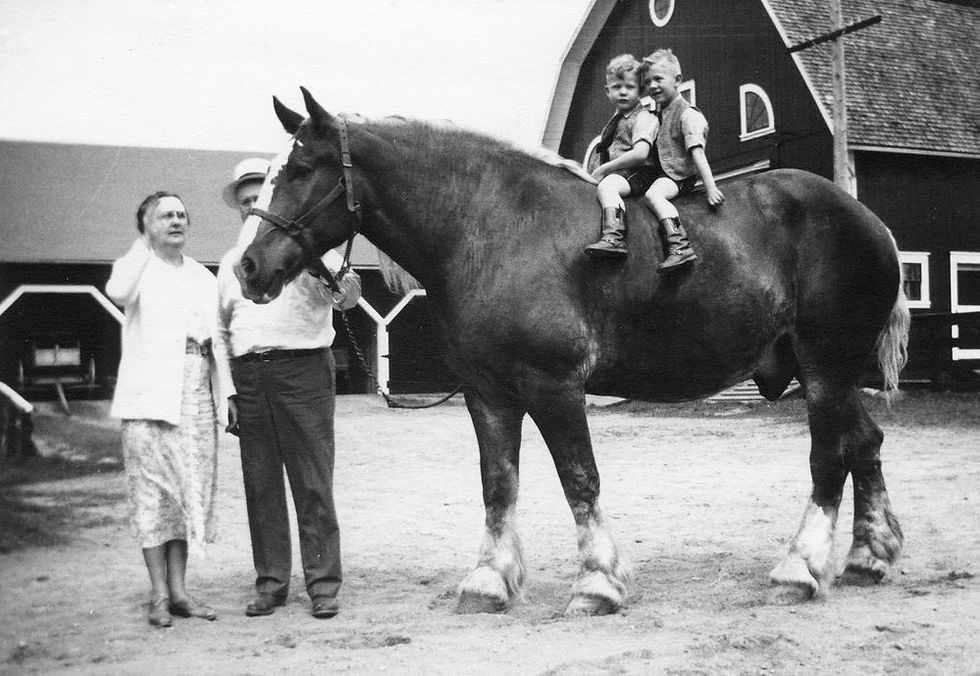
Cold-blooded horses are often called the gentle giants of the horse world.
These horses were originally bred for:
Pulling
Farm work
Heavy labor
Transportation
Before tractors and modern machinery, draft horses were essential on farms and in cities.

Common Characteristics
Large size
Thick bone and muscle
Slow, steady movement
Gentle temperament
Tremendous strength
Cold-blooded horses are usually calm and patient. Their easygoing personalities make them appealing to many beginners.
Best Uses
Draft work
Carriage driving
Farm work
Therapy riding
Pleasure riding
Examples of Cold-Blooded Breeds
Percheron
Belgian Horse
Shire Horse

Typical Personality
Calm
Patient
Easygoing
Less reactive
Good For
Pulling heavy loads
Agricultural work
Driving
Leisure riding
Important Comment on Draft Horses
Because of their beauty, gentle nature, and impressive size, many people dream of owning a draft horse.
However, beginners should understand that large horses also require larger equipment, more feed, larger trailers, and increased maintenance costs. Learn more by reading how much horses weigh before comparing breeds.
While many draft horses are wonderful riding horses, their size can sometimes intimidate new riders during grooming, tacking up, or handling on the ground.
Still, many draft crosses make outstanding family and trail horses because they often inherit calm personalities while being slightly smaller and more athletic.
Did You Know? The Shire horse is considered the tallest horse breed in the world. Some individuals stand over 18 hands tall.
Quick Comparison Table
Type | Temperament | Body Type | Main Strength | Common Uses |
Hot-Blooded | Energetic, sensitive | Lean, refined | Speed and endurance | Racing, endurance |
Warmblood | Balanced, athletic | Sport-horse build | Versatility | Dressage, jumping |
Cold-Blooded | Calm, steady | Heavy, muscular | Strength | Draft work, driving |
Main Types of Horses
Horse breeds are also grouped by overall purpose and body style.
Light Horses
Light horses are built primarily for riding, speed, and athletic work.
Examples
Morgan Horse
Tennessee Walking Horse
Light horses are the most common type used for recreational riding and competition.
Draft Horses
Draft horses are large, powerful horses originally bred for pulling heavy loads.
Examples
Percheron
Belgian Horse
Shire Horse
Many draft horses today participate in parades, driving competitions, and pleasure riding.
Warmbloods
Warmbloods are specialized sport horses developed for competition disciplines.
Examples
Dutch Warmblood
Hanoverian
Holsteiner
Oldenburg
Ponies
Ponies are smaller equines under 14.2 hands tall.
Many beginners mistakenly think ponies are simply “small horses,” but ponies often have very different personalities and body structures.

Common Traits
Intelligent
Hardy
Strong for their size
Thick coats and sturdy feet
Examples
Shetland Pony
Welsh Pony
Ponies are excellent teachers for children, although some ponies are clever enough to take advantage of inexperienced riders.
Did You Know? Pound for pound, ponies are often stronger than full-sized horses.
Best Horse Breeds for Beginners
Choosing the right horse matters far more than choosing the “perfect” breed.
Temperament, training, handling, and previous experience are usually more important than breed alone.
That said, certain breeds are often recommended for beginners because they tend to have calm, trainable personalities.
The American Quarter Horse is one of the most popular breeds in the world.
Quarter Horses are especially famous for their calm minds, versatility, and reliability.
Why Beginners Like Them
Calm temperament
Versatile abilities
Easy to train
Comfortable to ride
Widely available

Best For
Western riding
Trail riding
Ranch work
Beginner riders
Quarter Horses are commonly used in riding lesson programs because they are dependable and forgiving.
Did You Know?
Quarter Horses earned their name because they could outrun other horses in quarter-mile races.
2. Morgan Horse
Morgan horses are known for their friendly personalities and willingness to work with people.
Many owners describe Morgans as horses that genuinely enjoy human interaction.

Best Known For
Pleasure riding
Driving
Trail riding
Family riding
Traits
People-oriented
Willing attitude
Comfortable gaits
Versatile
Morgans are often an excellent choice for families wanting one horse that can participate in many activities.
3. Tennessee Walking Horse
The Tennessee Walking Horse is famous for its naturally smooth gait.
Unlike trotting horses, many gaited horses provide a softer ride that can be more comfortable for riders.

Best For
Trail riding
Long-distance riding
Riders wanting comfort
Traits
Smooth ride
Calm demeanor
Good endurance
Gentle personality
These horses are especially popular among riders who spend long hours on trails.
4. Paint Horse
Paint Horses are closely related to Quarter Horses but are known for their colorful coat patterns.
Their flashy appearance makes them extremely popular.

Best For
Western disciplines
Ranch work
Trail riding
Recreational riding
Traits
Usually calm and athletic
Distinctive coloring
Versatile
Friendly personalities
Many beginner riders are attracted to Paint Horses because they combine beauty with dependable temperaments.
Did you know? Not all spotted horses are "Paint" horses. The characteristic spotted color pattern of paint horses is called "Pinto", and can occur in many other breeds. Learn more about coat colors with our Coat Color Chart, or study the names of all horse colors and patterns with our Coat Color Flashcards
5. Appaloosa
Modern Appaloosas are also closely related to Quarter Horses.
The breed is famous for spotted coats and versatility.

Best Suited For
Trail riding
Family riding
Recreational riding
Western disciplines
Traits
Hardy
Intelligent
Often steady-minded
Adaptable
Appaloosas are known for being tough horses with strong feet and good endurance.
Did You Know?
The Appaloosa breed was developed by the Nez Perce people of the Pacific Northwest.
Before choosing a breed, it also helps to understand the real monthly and yearly expenses. Use our horse ownership cost calculator and guide to estimate feed, board, farrier care, veterinary care, tack, and emergency costs.
Best Breeds for Specific Disciplines
Different riding disciplines often favor different breeds because of athletic strengths, movement, or temperament.
Trail Riding
Trail horses should be dependable, calm, and comfortable to ride over long distances.

Top Choices
Tennessee Walking Horse
Missouri Fox Trotter
Gaited horses such as the Tennessee Walking Horse and Missouri Fox Trotter are especially valued for their smooth ride.
Jumping and Eventing
Jumping horses require athletic ability, courage, speed, and careful training.

Top Choices
Dutch Warmblood
Hanoverian
Warmbloods dominate many international jumping competitions because of their power and trainability.
Dressage
Dressage emphasizes precision, balance, communication, and movement quality.

Top Choices
Hanoverian
Dutch Warmblood
Warmbloods are especially successful in modern competitive dressage.
Ranch Work and Western Riding
Western horses are expected to be practical, athletic, and responsive.

Top Choices
Appaloosa
Quarter Horses are particularly respected for cattle work because of their quick acceleration and agility.
Endurance Riding
Endurance riding requires stamina, toughness, and efficient movement.

Top Choices
Lightweight Appaloosa
Arabians are considered the kings of endurance riding because of their exceptional stamina and recovery ability.
Choosing the Right Horse
For beginners, choosing a horse should never be based only on appearance or breed popularity.
A calm, experienced horse of almost any breed is usually a better choice than a high-energy horse with advanced training needs.
When evaluating a horse, consider:
Temperament
Training level
Age
Health
Experience with beginners
Your riding goals
Many first-time horse owners fall in love with beautiful, athletic horses that may not suit their skill level. A horse with a kind disposition and solid training will help build confidence and safety.
It is always wise to work with a knowledgeable trainer or experienced horse person when purchasing a horse.
Final Thoughts
Horse breeds are fascinating because they reflect centuries of history, culture, and selective breeding.
Some breeds were designed for speed, others for strength, and others for elegance in competition arenas. Understanding the differences between hot-blooded, warmblood, and cold-blooded horses helps riders make more informed choices.
For beginners, temperament and training are usually more important than breed alone. Calm, willing horses with solid foundations create positive experiences and safer learning opportunities.
As you spend more time around horses, you will quickly discover that every horse is an individual. Even within the same breed, personalities can vary greatly.
The more you learn about horse breeds, the easier it becomes to find the right horse for your riding goals and lifestyle.
Horse Breeds Q&A
What is the best horse breed for beginners?
The best horse breed for beginners is usually one known for a calm temperament, solid training, and forgiving personality. Quarter Horses, Morgans, Tennessee Walking Horses, Paint Horses, and Appaloosas are often good choices, but breed alone is not enough. A quiet, experienced horse from almost any breed is usually better for a beginner than a young, reactive, or poorly trained horse from a “beginner-friendly” breed.
What is the difference between hot-blooded, warmblood, and cold-blooded horses?
Hot-blooded horses are usually energetic, sensitive, athletic, and bred for speed or endurance. Warmbloods are sport horse types that combine athletic ability with a more balanced temperament. Cold-blooded horses are heavier draft-type horses known for strength, calmness, and steady movement. These terms describe temperament, body type, and breeding history, not actual body temperature.
Are warmblood horses good for beginner riders?
Some warmblood horses can work well for beginners if they are calm, well-trained, and experienced. However, many warmbloods are bred for competitive disciplines like dressage, show jumping, and eventing, so they may be better suited to intermediate or advanced riders. The individual horse’s training and temperament matter more than the label “warmblood.”
What horse breeds are best for trail riding?
Popular horse breeds for trail riding include the Quarter Horse, Tennessee Walking Horse, Morgan, Appaloosa, Missouri Fox Trotter, and Arabian. Trail horses should be calm, sure-footed, comfortable to ride, and mentally steady in different environments. Gaited breeds can be especially comfortable for riders who spend long hours on the trail.
What horse breeds are best for dressage and jumping?
Warmblood breeds such as the Dutch Warmblood, Hanoverian, Holsteiner, Oldenburg, and Trakehner are popular for dressage and jumping because they are bred for movement, power, trainability, and athletic performance. Thoroughbreds are also common in jumping and eventing, especially when they have the right training and temperament.
Are ponies easier than horses for children?
Not always. Ponies are smaller, strong, hardy, and often excellent teachers for children, but they can also be clever, opinionated, and quick to test inexperienced riders. A well-trained, kind pony can be wonderful for a child, while a poorly trained pony can be harder than a larger, quieter horse.
Does horse breed guarantee temperament?
No. Breed can give clues about typical traits, but it does not guarantee temperament. Every horse is an individual. Training, handling, age, health, past experience, environment, and daily management all shape how suitable a horse is for a rider. When choosing a horse, evaluate the individual horse first and the breed second.




Comments