
Western Equine Encephalitis (WEE) in Horses

Updated: Aug 26
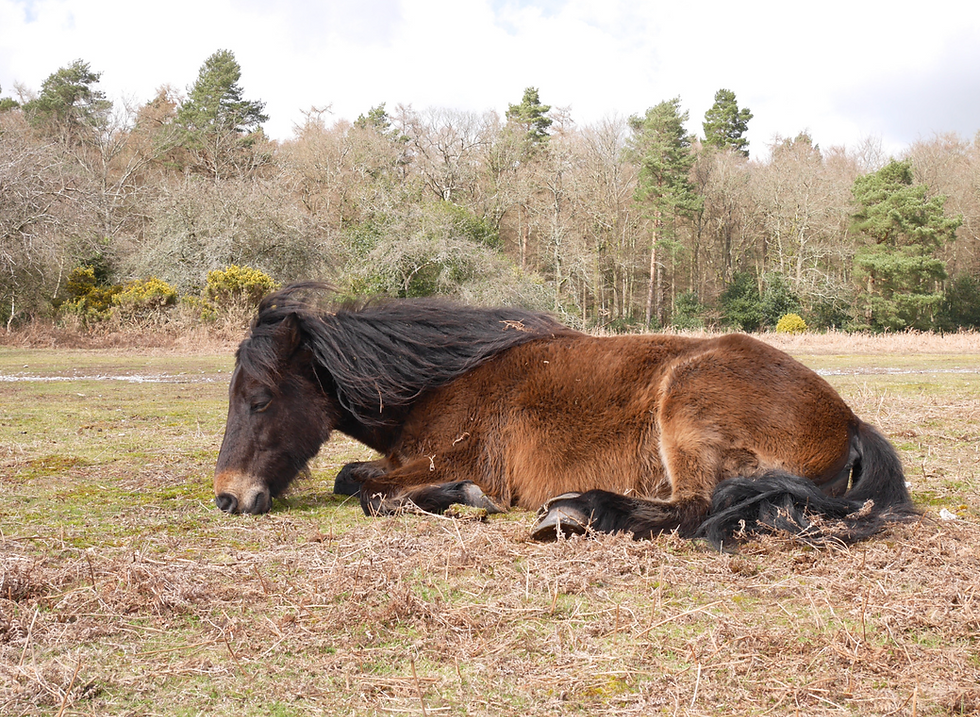
Symptoms, Transmission, Treatment, Vaccination, and Prevention
Western Equine Encephalitis (WEE), also called Western Equine Encephalomyelitis, is a mosquito-borne viral disease that can cause inflammation of the brain and spinal cord in horses. Although WEE has become rare in the United States and Canada, it remains important because neurologic illness can be severe, there is no medication that kills the virus, and effective vaccines are available.
WEE belongs to the same group of mosquito-borne alphaviruses as Eastern Equine Encephalitis (EEE) and Venezuelan Equine Encephalitis (VEE). The American Association of Equine Practitioners considers vaccination against WEE and EEE a core recommendation for horses residing in or traveling within North America.
WEE does not spread directly from one horse to another. Horses also do not pass the disease to people. Both horses and humans become infected through the bite of an infected mosquito.
Quick Answer
Western Equine Encephalitis is a mosquito-borne viral infection that can cause fever and severe neurologic disease. The AAEP reports mortality of approximately 20 to 40 percent among clinically affected horses, and survivors may have permanent deficits. Sudden neurologic signs require immediate veterinary attention. Vaccination and mosquito control provide the best protection.
Call a veterinarian immediately if your horse develops:
Sudden stumbling or loss of coordination
Head pressing or circling
Difficulty swallowing
Seizures
Repeated falling
Inability to stand
Do not ride or force a neurologically abnormal horse to walk.
What Causes Western Equine Encephalitis?
WEE is caused by Western equine encephalitis virus, an alphavirus in the family Togaviridae. The word encephalitis means inflammation of the brain. The term encephalomyelitis is more specific because it describes inflammation affecting both the brain and spinal cord.
The virus is maintained through a cycle involving birds and mosquitoes. When a mosquito feeds on an infected bird, it can pick up the virus and later transmit WEE to a horse or person.
In the western United States, Culex tarsalis has historically been an important vector. Other mosquito species may participate in different regions. Climate, rainfall, temperature, and animal populations influence exposure.

WEE has historically been associated with western North America, Mexico, and parts of Central and South America. The AAEP’s current disease guideline states that no equine cases had been reported in the United States since 1999. However, WEE remains present in the Americas, and re-emergence in South America has shown that the virus can return when conditions favor transmission.
Did You Know? WEE is an arboviral disease. The word arbovirus does not describe a single virus family. It refers to a virus transmitted by an arthropod, such as a mosquito or tick.
How Does WEE Spread?
The usual transmission cycle is:
A mosquito feeds on an infected bird.
The virus multiplies inside the mosquito.
The infected mosquito bites a horse.
The virus enters the horse’s bloodstream and may reach the central nervous system.
Infected horses do not develop enough virus in the blood to infect mosquitoes and are called dead-end hosts. Humans are also incidental dead-end hosts.
An infected horse does not spread WEE by coughing, touching noses, sharing water buckets, or using the same stall or trailer. People do not catch it by grooming or treating the horse.
However, a sick horse may signal that infected mosquitoes are active locally.
Neurologic disease should never be assumed to be WEE without testing because rabies and contagious equine herpesvirus myeloencephalopathy require different safety measures.
WEE is a reportable disease in the United States. If testing confirms infection, the veterinarian must follow applicable state animal-health reporting requirements.
What Happens After a Horse Is Infected?
The AAEP lists an incubation period of approximately 2 to 21 days. This is the interval between infection and the appearance of clinical signs.
Some horses mount an effective immune response and never develop recognizable illness.
In others, the virus enters the bloodstream and reaches the brain and spinal cord.
Inflammation then disrupts communication between the brain and body, affecting awareness, behavior, vision, swallowing, balance, strength, and movement. Subclinical infections also make surveillance difficult because viral activity may occur without large
numbers of visibly ill horses.
Signs of WEE in Horses
The early signs can look like many other illnesses. A horse may initially have:
Moderate to high fever
Reduced appetite or refusal to eat
Depression or unusual quietness
Lethargy and reduced interest in its surroundings
A change in behavior or responsiveness
Owners who know their horse’s normal temperature are more likely to recognize an important change. Review The Horse’s Vital Signs and record normal and abnormal readings in the Horse Tracker. Learn more about Fever in Horses: Temperature Chart, Red Flags, and What to Do
As inflammation affects the brain and spinal cord, neurologic signs may include:
Stumbling or an irregular gait
Ataxia, meaning loss of coordination
Weakness or difficulty controlling the limbs
Muscle tremors
Head pressing
Aimless wandering or circling
Blindness or reduced awareness of obstacles
Difficulty swallowing, also called dysphagia
Weakness of the tongue or throat
Facial paralysis or abnormal eye movements
Unusual drowsiness, hyperexcitability, or severe behavioral change
Seizures
Recumbency, meaning the horse is unable to stand
Coma and death
Ataxia in horses is a clinical sign rather than a final diagnosis. WEE, EEE, West Nile virus, EPM, equine herpesvirus myeloencephalopathy, rabies, trauma, toxins, and several other disorders can all cause incoordination.
The Neuro Screen and Localization Assistant can help owners organize observable signs and prepare a useful summary for the veterinarian, but it cannot diagnose the disease.
Did You Know? The names Western and Eastern describe the regions where the viruses were historically identified and most often reported. They should not be treated as strict boundaries. Mosquitoes, birds, weather patterns, and animal movement can alter where exposure occurs.
What Should You Do if a Horse Shows Neurologic Signs?
Call a veterinarian immediately. Do not ride the horse, force it to walk, or attempt difficult neurologic tests without professional direction. A poorly coordinated horse can fall suddenly and injure itself or nearby people.
While waiting for instructions:
Keep people and animals away from the immediate area.
If safe, place the horse in a quiet space with good footing and no sharp projections.
Do not enter a stall with a thrashing, seizing, or severely disoriented horse.
Record vital signs, appetite, behavior, vaccination history, recent travel, and the time signs began.
Take short videos only if this can be done safely.
Follow veterinary biosecurity instructions until contagious and zoonotic causes have been considered.
Difficulty swallowing, seizures, repeated falling, or inability to stand are emergencies. A recumbent horse can develop injuries, muscle damage, pressure sores, and breathing problems.
How Serious Is WEE?
WEE is generally less deadly than Eastern Equine Encephalitis, but it can still cause devastating disease.
The AAEP’s current WEE disease guideline gives a mortality rate of approximately 20 to 40 percent, compared with mortality approaching 90 percent for EEE. Other references may give somewhat different figures because outbreak conditions, vaccination status, case definitions, and access to treatment vary.

Horses that remain standing, can swallow, and have milder neurologic impairment may have a better chance of recovery than horses with seizures, coma, or prolonged recumbency.
Recovery may take weeks or months. Some survivors return to function, while others retain ataxia, abnormal behavior, weakness, or other deficits. Prognosis depends on the severity and progression of signs, response to care, and complications.
Did You Know? WEE, EEE, and West Nile virus can all produce fever and neurologic disease, but they are caused by different viruses. Clinical signs alone usually cannot confirm which infection is responsible.
How Is WEE Diagnosed?
A veterinarian considers vaccination, location, season, mosquito exposure, and the physical and neurologic examination. Because no sign is unique to WEE, laboratory testing is necessary.
The AAEP recommends testing for WEE and EEE at the same time when either disease is suspected in the United States. Testing may also include West Nile virus, equine herpesvirus, rabies, EPM, toxins, and other causes of neurologic disease.
The preferred test for suspected acute WEE is generally an IgM-capture ELISA performed on serum. IgM is a type of antibody associated with a recent immune response.
Cerebrospinal fluid or paired blood samples may provide additional evidence. Recent vaccination can complicate interpretation, so the veterinarian needs the product, date, and lot number. PCR may also be attempted on cerebrospinal fluid or brain tissue.
Treatment and Supportive Care
There is no specific antiviral medication approved to eliminate WEE virus in horses. Antibiotics do not kill viruses and will not cure WEE.
Treatment is aimed at controlling inflammation, supporting the horse, preventing injury, and managing complications while the immune system responds.
Veterinary treatment may include:
Intravenous fluids when the horse cannot drink
Anti-inflammatory medication
Anticonvulsant medication for seizures
Nutritional support when swallowing is impaired
Safe bedding and carefully planned support for recumbency
Skin, eye, bladder, and respiratory care when needed
Severely weak or recumbent horses may require a referral hospital with trained staff and specialized equipment. Lifting or repositioning a neurologic horse can injure the horse and handlers if it is not professionally planned.
Why Vaccination Matters
Vaccination is the most dependable method of reducing the risk of clinical WEE. The AAEP classifies EEE and WEE vaccines as core vaccines for horses residing in or traveling within the United States. Killed WEE vaccines have a strong record of safety and effectiveness when correctly stored, handled, and administered.
Combination products are common. A traditional five-way vaccine often includes:
Eastern Equine Encephalitis
Western Equine Encephalitis
Tetanus
Equine herpesvirus types 1 and 4
Horse | WEE Vaccination Guidance |
Previously vaccinated adult | Annual booster, ideally before mosquito season |
Unvaccinated adult or unknown history | 2-dose primary series, 3–6 weeks apart |
Previously vaccinated pregnant mare | Booster 4–6 weeks before foaling |
Foal from a vaccinated mare | Begin vaccination at 4–6 months, second dose 4–6 weeks later, third dose at 10–12 months |
Vaccination schedules can vary based on age, previous vaccination history, geographic risk, and product used. Always confirm the appropriate schedule with your veterinarian.
West Nile virus is not included in every five-way vaccine, although some broader combination products contain it. Read the product label instead of relying only on the number of diseases in the vaccine’s name.
The Horse 5-Way Vaccine Planner can help organize timing, while the Horse Vaccination Schedule explains the difference between core and risk-based vaccines.

Vaccination Schedule for Adult Horses
For a previously vaccinated adult horse, the AAEP recommends annual revaccination before mosquito season. High-risk horses or those living where mosquito exposure continues for much of the year may need more frequent boosters under veterinary direction.
An unvaccinated adult, or one with unknown vaccination history, generally receives two doses 3 to 6 weeks apart. The horse is then revaccinated before the next mosquito season and annually thereafter.
Use the Horse Tracker to keep organized records of your horse's vaccination schedule.
Pregnant Mares and Foals
Previously vaccinated pregnant mares are generally boosted 4 to 6 weeks before foaling, increasing antibodies available to the foal through colostrum.
For foals, the AAEP recommends two doses beginning at 4 to 6 months of age, spaced 4 to 6 weeks apart. A third dose is given at 10 to 12 months of age before the next mosquito season. High-risk foals may need an adjusted schedule.
Every plan should be confirmed with the attending veterinarian because age, immune status, local disease activity, and product instructions can change the timing.
Did You Know? Barn walls do not provide complete mosquito protection. Mosquitoes enter through doors and unscreened openings, and some species readily feed indoors. Fans, screens, repellents, and water management remain useful even for horses that spend much of the day in a stall.
Mosquito Control for Horse Properties
Vaccination should be supported by practical mosquito management. No single control method eliminates every mosquito, so use several measures together.
Remove Mosquito Breeding Sites
Empty buckets, tires, tarps, wheelbarrows, and unused troughs that collect rainwater.
Clean and refill water buckets and troughs at least weekly when practical.
Repair leaking faucets, hoses, and automatic waterers.
Clear blocked gutters and drainage areas.
Manage puddles and wet areas around barns and manure storage.
Reduce Mosquito Exposure
Use an equine-approved repellent according to label directions and reapply as instructed, especially after rain.
Stable horses around dawn and dusk when local mosquito species are most active, if practical.
Install screens on barn windows and openings.
Use fans where safe, since strong airflow can make it harder for mosquitoes to land.
Keep weeds, brush piles, and organic debris under control near horse housing.
Discuss safe larvicides or professional mosquito-control options with local authorities when water cannot be drained.
Mosquito activity varies by region, and warm climates may have long or nearly year-round seasons. Follow local veterinary and public-health advice.
WEE vs EEE vs West Nile Virus in Horses
Western Equine Encephalitis, Eastern Equine Encephalitis, and West Nile virus can all cause serious neurologic disease in horses and are transmitted by mosquitoes. Their clinical signs can overlap, so laboratory testing is often needed to determine the cause.
Feature | WEE | EEE | West Nile Virus |
Spread by mosquitoes | Yes | Yes | Yes |
Horse-to-horse spread | No | No | No |
Fever may occur | Yes | Yes | Yes |
Ataxia or weakness | Yes | Yes | Yes |
Behavioral or awareness changes | Yes | Yes | Yes |
Seizures or recumbency possible | Yes | Yes | Yes |
Vaccine available | Yes | Yes | Yes |
Considered a core vaccine | Yes | Yes | Yes |
Can be diagnosed from symptoms alone | No | No | No |
For related reading:
Can People Catch WEE From Horses?
People can develop Western equine encephalitis, but human infection follows an infected mosquito bite. Routine contact, grooming, shared air, saliva, and manure do not transmit WEE from horses to people.
A diagnosis should prompt increased mosquito precautions because the same local mosquitoes may expose both horses and people. Use an EPA-registered repellent, repair screens, wear protective clothing when appropriate, and remove standing water.
Veterinary teams may use additional precautions during examination or postmortem testing because a horse showing encephalitis could have another disease, including rabies, that carries a direct human-health risk.
Key Takeaways
WEE is a mosquito-borne viral disease that can inflame the brain and spinal cord.
Early illness may look nonspecific, but weakness, ataxia, head pressing, blindness, difficulty swallowing, seizures, and recumbency are serious warning signs.
Horses do not spread WEE directly to other horses or people.
The AAEP reports mortality of approximately 20 to 40 percent in clinically affected horses.
Some survivors have lasting neurologic deficits.
There is no specific antiviral cure. Treatment consists of intensive supportive and nursing care.
EEE and WEE vaccination is considered core protection for horses residing in or traveling within the United States.
Mosquito control adds another layer of protection but does not replace vaccination.
Western Equine Encephalitis (WEE) in Horses FAQ
What is Western Equine Encephalitis in horses?
Western Equine Encephalitis, or WEE, is a mosquito-borne viral disease that can cause inflammation of the brain and spinal cord.
Affected horses may initially develop fever and depression before progressing to neurologic signs such as weakness, ataxia, head pressing, difficulty swallowing, seizures or inability to stand. Owners can review The Horse’s Vital Signs to establish normal baseline readings.
How do horses get Western Equine Encephalitis?
WEE is transmitted through the bite of an infected mosquito.
The virus is maintained through a cycle involving birds and mosquitoes. A mosquito can acquire the virus after feeding on an infected bird and later transmit it to a horse.
Can WEE spread from one horse to another?
No. Horses are considered dead-end hosts because they do not develop enough virus in their blood to continue the normal mosquito transmission cycle.
WEE is not spread through coughing, nose-to-nose contact, shared water buckets, stalls, trailers or routine handling.
What are the first signs of WEE in horses?
Early signs may include moderate to high fever, reduced appetite, depression, lethargy and changes in behavior or responsiveness.
Neurologic signs may then develop, including stumbling, ataxia, weakness, tremors, head pressing, circling, blindness, difficulty swallowing, seizures and recumbency. The Equine Neuro Screen and Localization Assistant can help owners organize observable signs for the veterinarian, but it cannot diagnose WEE.
How long after infection do WEE symptoms appear?
The incubation period reported in the article is approximately 2 to 21 days.
Because owners usually cannot identify the mosquito bite that caused infection, veterinarians consider factors such as vaccination history, location, season, mosquito exposure and laboratory testing.
How serious is Western Equine Encephalitis in horses?
WEE can cause severe and sometimes fatal neurologic disease.
The AAEP guideline cited in the article reports mortality of approximately 20 to 40 percent among clinically affected horses. Recovery may take weeks or months, and some surviving horses retain ataxia, weakness, behavioral changes or other neurologic deficits.
How is WEE diagnosed in horses?
Clinical signs alone cannot confirm WEE because several other diseases can cause similar neurologic symptoms.
The article identifies an IgM-capture ELISA performed on serum as the generally preferred test for suspected acute WEE. Cerebrospinal fluid, paired blood samples or PCR may also be used in selected cases.
Is there a treatment or cure for WEE in horses?
There is no specific antiviral medication approved to eliminate WEE virus in horses, and antibiotics do not kill the virus.
Treatment is supportive and may include intravenous fluids, anti-inflammatory medication, seizure control, nutritional support and carefully managed nursing care. Severe cases may require treatment at a referral hospital.
How can WEE be prevented?
Vaccination is the most dependable way to reduce the risk of clinical WEE and should be combined with mosquito control.
The article recommends reducing standing water, using equine-approved repellents, installing screens, using fans where safe and managing wet areas and vegetation around horse housing. The Horse 5-Way Vaccine Planner can help organize vaccination timing, while Horse Tracker can be used to record vaccination dates and veterinary history.:::
Scientific References
American Association of Equine Practitioners. Western Equine Encephalitis Disease Guidelines. 2025.
American Association of Equine Practitioners. Eastern and Western Equine Encephalomyelitis Vaccination Guidelines.
World Organisation for Animal Health. Equine Encephalomyelitis (Western).
Merck Veterinary Manual. Equine Arboviral Encephalomyelitis. Updated 2024.
Toribio RE. Arboviral equine encephalitides. Veterinary Clinics of North America: Equine Practice. 2022;38(2):299–321.
MacLachlan NJ, Dubovi EJ. Fenner’s Veterinary Virology. 5th ed. Academic Press; 2017.
Sellon DC, Long MT, eds. Equine Infectious Diseases. 3rd ed. Elsevier; 2024.
Horse Education Online. Your trusted source for practical, science-based horse education.


Comments