
The Andalusian Horse
- Horse Education Online

- 6 days ago
- 9 min read

The Andalusian horse, also known as the Pura Raza Española (PRE) which means Pure Spanish Horse, is one of the most recognizable horse breeds in the world. With its flowing mane, proud carriage, and graceful movement, the Andalusian often looks as though it has stepped straight out of a historical painting.Yet there is far more to this breed than beauty alone.
For centuries, Andalusians carried kings into ceremonies, soldiers into battle, and skilled riders through some of the most advanced forms of horsemanship ever developed. Today, they continue to excel in dressage arenas, working equitation competitions, trail riding adventures, and countless other equestrian activities.
What makes the Andalusian especially fascinating is its combination of elegance and practicality. This is a horse that can impress spectators with dramatic movement one moment and quietly carry its rider down a wooded trail the next.
A Breed Shaped by History
The Andalusian traces its roots to the Iberian Peninsula, particularly the region of Andalusia in southern Spain. Horses with similar characteristics existed in the region thousands of years ago, making the Andalusian one of the oldest and most influential horse breeds still in existence today.


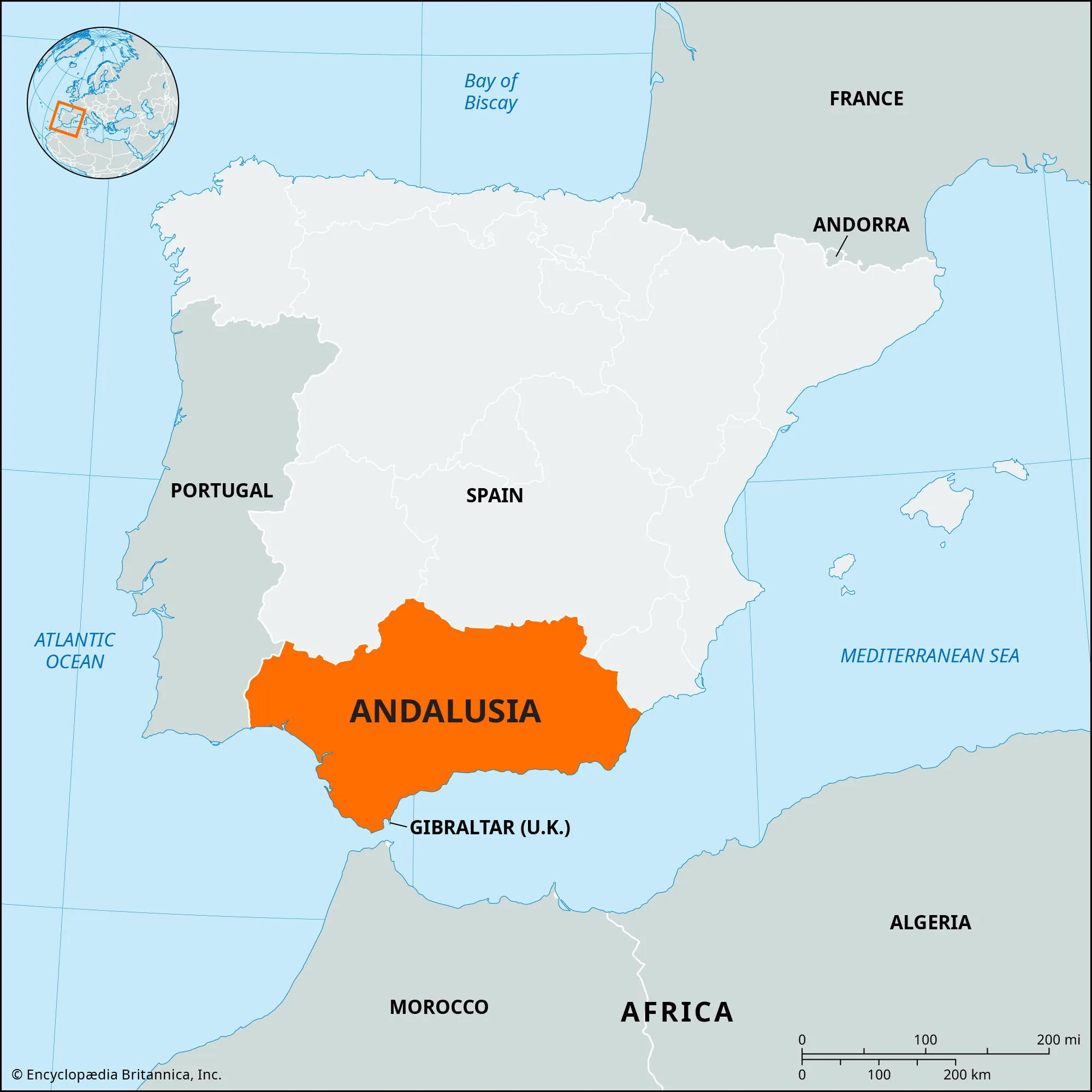
Ancient civilizations, including the Romans, recognized the quality of Iberian horses. As Spain's influence grew throughout Europe, so did the reputation of its horses. By the 15th century, the Andalusian had become established as a distinct breed and was highly sought after by nobility across the continent.

During the Middle Ages and the Renaissance, Andalusians became known as premier war horses. Their agility, balance, and responsiveness allowed mounted soldiers to maneuver quickly in battle. Unlike larger, heavier horses that relied primarily on strength, Andalusians offered a combination of athleticism and precision that made them invaluable.
These horses were eventually exported throughout Europe, where they influenced numerous other breeds. The Andalusian's blood can be found in the development of the:
Lipizzaner
Friesian
Neapolitan
Various warmblood breeds
Their impact on modern horsemanship is difficult to overstate. Many of the principles used in classical riding today were developed with horses like the Andalusian in mind.

Did You Know? The famous Spanish Riding School of Vienna, home of the Lipizzaner horse, owes much of its heritage to Spanish horses. Many of the ancestors of today's Lipizzaners were Andalusians imported centuries ago.
Traditional Uses Throughout History
One reason the Andalusian survived and thrived for so many centuries is its versatility.
Historically, these horses served many roles, including:
Cavalry and military service
Classical riding schools
Agricultural work
Bullfighting traditions in Spain and Portugal
Royal ceremonies and processions
A horse that could work cattle during the day and carry a nobleman during an evening procession was highly valuable. The Andalusian proved capable of both.
Their natural collection, courage, and responsiveness made them especially useful in situations requiring quick turns, sudden stops, and precise control. These same traits remain valuable today in modern riding disciplines.
Physical Characteristics
The Andalusian is often described as powerful without appearing heavy. Although not exceptionally tall compared to some modern sport horse breeds, it possesses tremendous strength and athletic ability.
Average Size
Most Andalusians stand between:
15 and 16.2 hands high
900 to 1,300 pounds
Their compact frame allows them to carry themselves efficiently while maintaining agility and balance.
Distinctive Features
The breed is known for several easily recognizable traits:
Strong, arched neck
Broad chest
Muscular body
Powerful hindquarters
Thick, flowing mane and tail
Large, expressive eyes
Refined head profile

Many people notice an Andalusian's presence before they notice its size. These horses naturally carry themselves with confidence and elegance.
One of the breed's defining characteristics is its movement. Andalusians tend to move with elevated action and natural balance, giving the impression of grace and power working together.
Did You Know? Some Andalusians grow manes that reach well below their shoulders. Historically, long, flowing manes were considered a sign of prestige and were often carefully maintained by owners.
Although Andalusians come in several colors, gray is by far the most common.
Possible coat colors include:
Gray
Bay
Black
Chestnut
Dun
Buckskin
Palomino
Many gray Andalusians are born dark and gradually lighten as they age. It is not unusual for a young horse that appears black or dark gray to become nearly white over time.
This gradual color change often surprises new horse owners who are unfamiliar with gray genetics.
Want to learn more about horse coat colors and genetics? Start with:
Temperament and Personality
One of the breed's greatest strengths is its temperament.
The Andalusian is often described as:
Intelligent
Loyal
Sensitive
Willing
Calm yet energetic
Quick to learn
Responsive
These horses are known for forming strong bonds with their handlers. Many owners describe them as unusually people-oriented and eager to cooperate.
However, intelligence comes with responsibility.
An Andalusian learns quickly, which means it can develop good habits just as rapidly as bad ones. Consistent training and fair treatment are essential.
Because they are sensitive to rider cues, they often respond best to subtle communication rather than forceful handling. A skilled rider can achieve remarkable results with very little visible effort.
Did You Know? Andalusians were often referred to as the "horse of kings" because European royalty prized them so highly. At various points in history, owning a fine Spanish horse was considered a status symbol among nobles.
What the Andalusian Does Best
Every horse breed has disciplines where it naturally shines. For the Andalusian, those strengths are especially apparent in activities requiring balance, collection, and communication between horse and rider.
Dressage Excellence
Few breeds are as naturally suited to dressage as the Andalusian.
Their physical structure allows them to engage their hindquarters effectively while maintaining balance and self-carriage. These qualities make advanced movements easier for many Andalusians than for breeds designed primarily for speed or jumping.
Advantages in dressage include:
Natural collection
Strong lateral movement ability
Excellent balance
Comfortable gaits
Willingness to learn
The breed is especially respected in:
Classical dressage
Modern dressage
Working equitation
High school movements
Piaffe
Passage
Many trainers appreciate that Andalusians often seem to understand collected work naturally.
Working Equitation and Cattle Work
The breed's history with cattle remains evident today.
Working equitation competitions test skills such as:
Precision riding
Obstacle navigation
Cattle handling
Speed and agility
The Andalusian's courage and maneuverability make it exceptionally effective in these events. Historically, horses working with Iberian cattle needed quick reflexes and confidence. Those same qualities continue to benefit modern Andalusians.

In traditional Spanish horsemanship and cattle work, the long stick carried by riders is most commonly called a garrocha. A garrocha is a long wooden pole, traditionally made from pine or another lightweight wood, usually measuring between 3 and 4 meters (10–13 feet) in length. It was originally developed by Spanish cattlemen, known as vaqueros, to manage cattle in the countryside. Riders use it to:
Guide and sort cattle
Reach across animals without dismounting
Open space within a herd
Assist with balance and maneuvering during cattle work
Demonstrate advanced horsemanship skills
The use of the garrocha eventually evolved into the famous discipline known as Doma Vaquera, the traditional Spanish style of working equitation derived from cattle ranching. Today, it is also featured in Acoso y Derribo, a traditional cattle-sorting sport, and in demonstrations of Garrocha Riding, where riders perform intricate movements while carrying and manipulating the pole.

Did You Know? The modern sport of Garrocha Riding is often performed by Andalusians and Lusitanos. Skilled riders can carry a 12-foot pole one-handed while performing pirouettes, flying lead changes, and tight turns, showcasing the horse's balance and responsiveness.
Trail Riding and Pleasure Riding
Although often associated with elite riding disciplines, many Andalusians make excellent pleasure horses.
Reasons riders enjoy them on trails include:
Sure-footedness
Calm temperament
Comfortable movement
Strong rider connection
Confidence in new environments
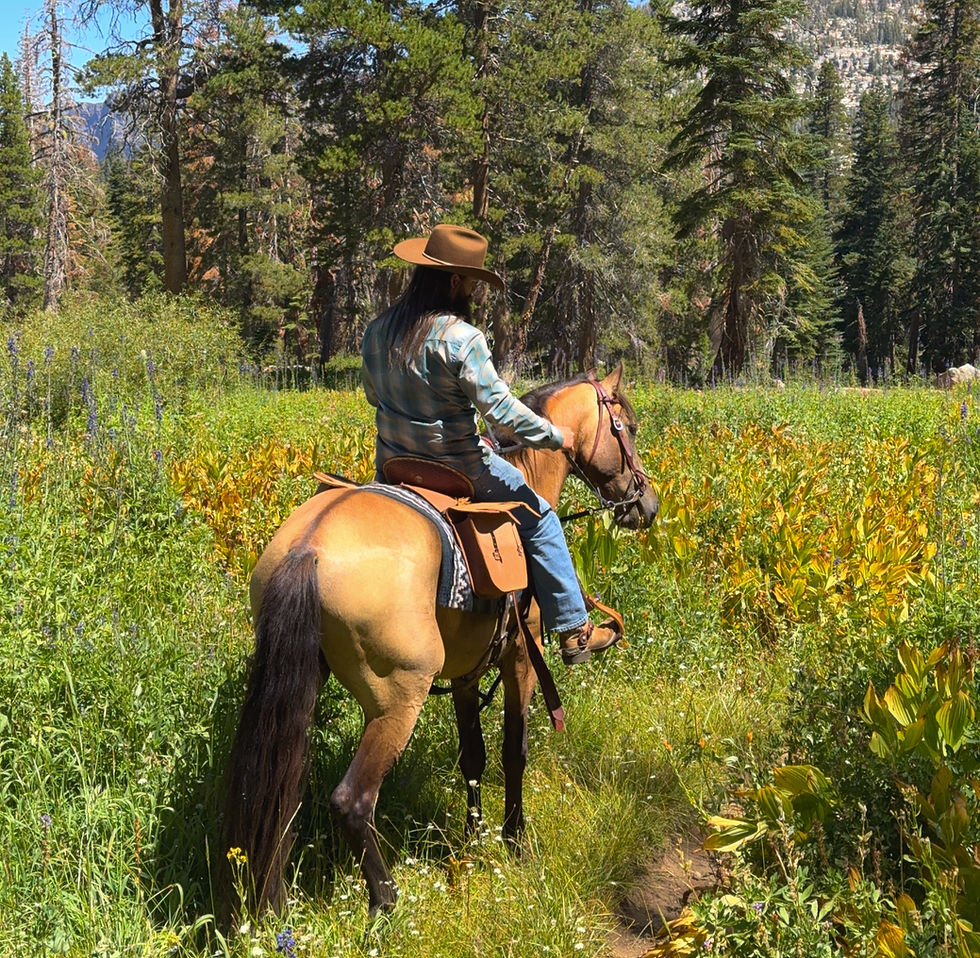
A well-trained Andalusian can be both responsive and relaxing to ride, making it suitable for recreational equestrians who appreciate a horse with personality and athletic ability.
Driving and Exhibition
When appearance matters, few breeds attract attention like the Andalusian.
Their dramatic movement and elegant build make them popular for:
Carriage driving
Ceremonial riding
Demonstrations
Historical reenactments
Public exhibitions

They are also frequently featured in movies, television productions, and fantasy-themed entertainment because they naturally embody the image many people imagine when they think of a noble horse.
Where the Andalusian Is Less Competitive
No breed excels at everything.
While Andalusians are versatile, there are disciplines where other breeds generally have an advantage.
High-Speed Racing
Andalusians were not developed for maximum speed.
They typically do not compete with:
Thoroughbreds in flat racing
Quarter Horses in sprint racing
Specialized endurance horses over long distances
Their strengths lie in collection and maneuverability rather than pure speed.
Elite Show Jumping
Although capable jumpers, Andalusians are not usually the first choice for top international jumping competitions.
Reasons include:
Shorter stride length
Less jumping scope than specialized warmbloods
Build designed for collection rather than expansive movement
Many individuals jump successfully at moderate levels, but the breed's greatest talents generally lie elsewhere.
Complete Beginner Riders
This surprises some people because Andalusians are often calm.
The challenge is not their behavior—it is their sensitivity.
These horses notice subtle rider mistakes and often react to them. An inexperienced rider may unintentionally send conflicting signals.
For this reason, Andalusians are often best suited for:
Intermediate riders
Experienced amateurs
Trainers
Riders interested in improving their skills
A properly trained Andalusian can certainly carry a beginner, but the breed tends to flourish with knowledgeable handling.
Health Considerations
Overall, the Andalusian is considered durable and long-lived. However, prospective owners should be aware of several health concerns that appear more commonly within the breed.
Many Andalusians are efficient keepers, meaning they maintain weight easily.
This can increase the risk of:
Equine Metabolic Syndrome (EMS)
Insulin resistance
Obesity-related complications
Careful feeding practices are essential.
Because of metabolic sensitivities, overweight Andalusians may face an increased risk of laminitis. Managing body condition and limiting excessive sugar intake can help reduce this risk.
Fallen Crest
A fallen crest is considered a significant conformation fault in the Andalusian breed and should not be confused with a neck that appears heavy due to excess weight, lack of fitness, or muscle loss. In Spain, it is sometimes called "cuello del gato" ("cat's neck") because, when viewed from behind, the topline of the neck develops a curved or wavy appearance rather than remaining straight and well-supported.

A true fallen crest is generally associated with an excessively long nuchal ligament, which leads to a lack of structural support of the crest and is often visible from an early age. While conditioning and muscle development can improve the overall appearance of a fallen crest, they cannot correct the underlying conformational weakness.

Although this does not necessarily affect a horse's athletic ability or performance potential, it is regarded as an undesirable trait in breeding programs because it can be inherited and detracts from the strong, elegant neck carriage that is characteristic of the Andalusian breed.
Melanomas
Since many Andalusians are gray, they share the elevated melanoma risk common among gray horses. Many melanomas remain harmless for years, but monitoring by a veterinarian remains important.
Genetic Diversity
Some historic bloodlines have experienced reduced genetic diversity due to selective breeding practices. Fortunately, modern breeders are increasingly focused on maintaining healthy and sustainable breeding populations.
Care and Management
Grooming
The Andalusian's beautiful mane and tail require regular care.
Routine grooming should include:
Frequent detangling
Conditioning
Protective management
Regular inspection for breakage
Gray horses may also require additional bathing to maintain a clean appearance.
Many owners discover that Andalusians require fewer calories than expected.
Most thrive on:
Quality forage
Controlled calorie intake
Limited starch and sugar
Careful pasture management
Overfeeding can quickly lead to unwanted weight gain. Read "The Basics of Equine Nutrition" to learn more.
Andalusian vs. Lusitano
The Andalusian's closest relative is the Portuguese Lusitano.
Historically, they were essentially considered the same Iberian horse before separate breed registries were established.
Generally speaking:
Andalusian | Lusitano |
Often bred for dressage elegance | Often bred for bullfighting agility |
More rounded movement | More forward movement |
Spanish registry | Portuguese registry |
Both breeds remain highly versatile and share many physical and behavioral characteristics.
Final Thoughts
The Andalusian horse represents one of the finest examples of what centuries of thoughtful breeding can achieve. Elegant yet practical, athletic yet manageable, powerful yet refined, this breed continues to captivate horse enthusiasts around the world.
Its influence can be seen throughout modern horsemanship, from classical dressage to working equitation and beyond. While it may not dominate racetracks or elite jumping arenas, the Andalusian excels in areas requiring balance, intelligence, responsiveness, and partnership with the rider.
For those seeking a horse with remarkable history, exceptional beauty, and genuine versatility, the Andalusian remains one of the most admired breeds in the equine world.
Andalusian Horse FAQ
1. What is an Andalusian horse?
The Andalusian is a historic Spanish horse breed, also known as the Pura Raza Española (PRE), famous for its elegance, intelligence, and athletic ability.
2. How tall does an Andalusian horse get?
Most Andalusians stand between 15 and 16.2 hands high.
3. Are Andalusian horses good for beginners?
They can be suitable for some beginners when well-trained, but their sensitivity generally makes them better suited to intermediate and experienced riders.
4. What color are most Andalusian horses?
Gray is the most common coat color, although black, bay, chestnut, and several other colors occur.
5. What disciplines do Andalusians excel in?
They are especially successful in dressage, working equitation, classical riding, driving, and pleasure riding.
6. Are Andalusians good trail horses?
Yes. Many Andalusians are sure-footed, calm, and confident on trails.
7. How much does an Andalusian horse weigh?
Most weigh between 900 and 1,300 pounds depending on age, sex, and conditioning.
8. What health problems are common in Andalusians?
Potential concerns include equine metabolic syndrome, insulin resistance, laminitis, melanomas in gray horses, and some intestinal disorders.
9. What is the difference between an Andalusian and a Lusitano?
Both breeds share common Iberian roots, but Andalusians are generally associated more with dressage, while Lusitanos are often bred for agility and bullfighting traditions.
10. Why is the Andalusian horse so famous?
The breed's beauty, intelligence, historical significance, and influence on many modern horse breeds have made it one of the most respected horses in the world.


Comments