
The Arabian Horse
- Horse Education Online

- May 26
- 9 min read
Updated: 7 hours ago

The Arabian horse is one of the oldest, most recognizable, and most influential horse breeds in the world. Known for its refined beauty, intelligence, endurance, and close relationship with humans, the Arabian has played a major role in shaping countless modern horse breeds. Even people with little horse experience can often recognize an Arabian by its dished face, arched neck, and naturally elevated tail carriage.
For thousands of years, Arabian horses have been admired not only for their appearance, but also for their toughness and athletic ability. Despite their elegant look, they are exceptionally durable animals capable of traveling long distances in harsh environments. Today, Arabians remain popular in endurance riding, trail riding, showing, and breeding programs around the world.
Origins of the Arabian Horse
The Arabian horse developed on the Arabian Peninsula, where desert conditions shaped the breed over many centuries. Bedouin tribes selectively bred horses that could survive intense heat, travel long distances with limited water, and remain loyal companions in difficult conditions.
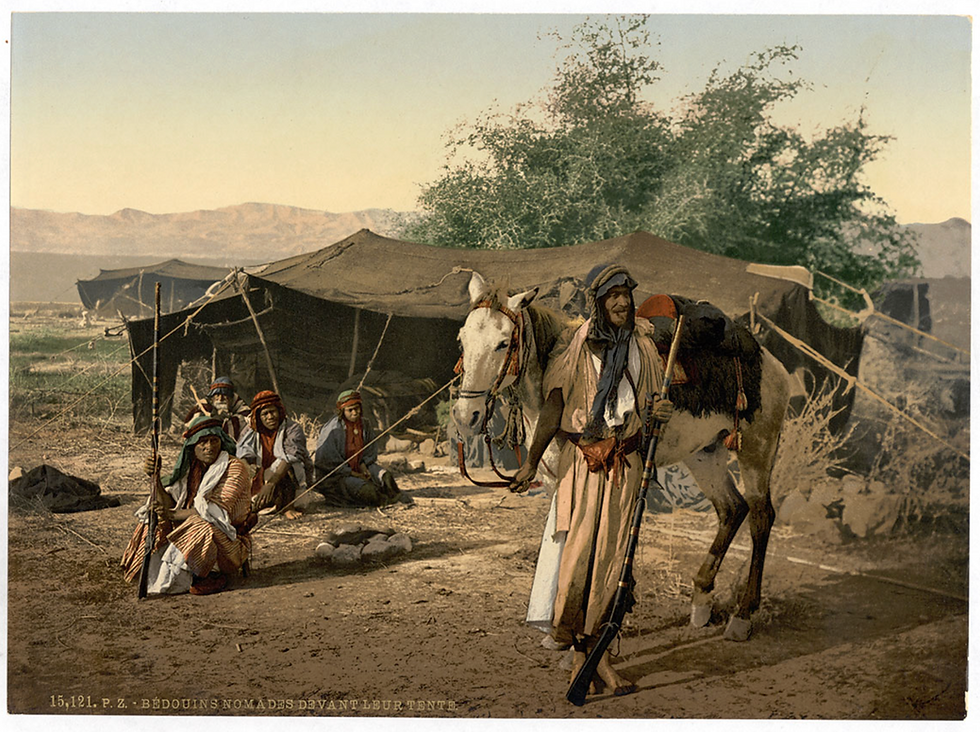
Unlike many modern breeding programs that focus heavily on appearance alone, early Arabian breeding emphasized practical survival traits such as:
Endurance
Hardiness
Intelligence
Loyalty
Efficient movement
Stamina under extreme conditions
Because these horses were so valuable, Bedouin families often kept them close to their living quarters. This close contact likely contributed to the Arabian’s famously human-oriented temperament and strong desire to bond with people.

Did You Know? Many historians believe the Arabian horse is one of the foundational breeds behind numerous modern horse breeds, including the Thoroughbred. Without Arabian bloodlines, modern racing and sport horses would likely look very different today.
The Arabian Horse’s Global Influence
Arabian horses eventually spread beyond the Middle East through trade routes, military campaigns, diplomacy, and breeding programs. European nobles and cavalry officers imported Arabians during the 18th and 19th centuries to improve stamina, refinement, and athleticism in their own horses.
The Arabian breed therefore contributed significantly to the development of:
Thoroughbreds
Andalusians
Lipizzaners
Warmbloods
Morgans
Anglo-Arabians
Trakehners
Orlov Trotters
Today, Arabian horse registries exist across North America, Europe, the Middle East, and Australia, preserving the breed’s unique characteristics and bloodlines.
Physical Characteristics of the Arabian Horse
Arabians are instantly recognizable because of their distinctive conformation and elegant appearance. Although they are relatively small compared to many modern sport horse breeds, they are extremely athletic and strong for their size.
Typical Arabian Horse Characteristics
Height: Usually 14.1 to 15.1 hands
Weight: Approximately 800 to 1,000 pounds
Build: Compact, refined, athletic
Head: Dished facial profile with large eyes
Neck: Arched and elegant
Tail: Naturally carried high
Hooves: Dense and durable
Common coat colors:
Bay
Gray
Chestnut
Black
Occasionally roan
Arabians are sometimes described as “dry” horses, meaning they have refined skin, visible musculature, and clean-looking joints without excessive heaviness.
The Famous “Dished Face”
One of the most recognizable features of the Arabian horse is its concave or “dished” facial profile. While the exact evolutionary purpose remains debated, some researchers believe it may have helped improve airflow through the nasal passages during intense exertion in hot climates. Large nostrils also help Arabians take in substantial amounts of oxygen during exercise, which may contribute to their endurance capabilities.

In recent decades, some areas of Arabian horse breeding and showing have placed increasing emphasis on producing extremely exaggerated head shapes, sometimes prioritizing facial appearance over overall functionality and balance. In equine anatomy, any trait that interferes with normal function becomes a welfare concern rather than an improvement.
Excessive bulging between the eyes, known as an extreme jibbah, may reduce the horse’s natural field of vision. Likewise, an overly dished face can reduce space within the skull, potentially contributing to overcrowding of the teeth and abnormal alignment of facial structures. In severe cases, this may interfere with chewing efficiency and long-term dental health.
Extremely distorted facial structure may also affect the nostrils and upper airway. Traditional Arabian breed standards value large, open nostrils because efficient airflow is critically important for athletic performance, especially in hot climates. Horses are obligate nose breathers, meaning they cannot switch to breathing through their mouths during exercise.

Anything that restricts airflow or increases airway resistance may reduce athletic function and heat regulation during exertion. For this reason, many breeders, veterinarians, and horse welfare advocates emphasize preserving the Arabian horse’s traditional balance of beauty, athleticism, and functional anatomy rather than selecting solely for increasingly exaggerated facial features.
Common Myths About Arabian Horses
One of the most repeated myths about Arabians is that all of them possess one fewer rib and fewer vertebrae than other horses (most horses have 18 pairs of ribs for a total of 36 ribs). In reality, this is not universally true.
Scientific studies show that:
Some Arabians have the standard number of ribs and vertebrae
Some have slight reductions
Some display multiple reductions
The breed simply shows a higher frequency of these anatomical variations.
Researchers have suggested that shorter backs may:
Increase spinal stiffness
Alter force transmission during movement
Influence agility and collection
However, there is currently no definitive scientific evidence proving that these skeletal differences directly improve athletic performance.
Learn more about the equine skeleton with:
Did You Know? Arabian horses often have unusually expressive eyes and facial movements. Many riders feel Arabians display emotions more obviously than some other breeds.
Arabian Horse Temperament
As a hot-blooded breed, they are energetic, athletic, intelligent, and highly responsive. They are often also extremely people-oriented and form strong bonds with their owners.
Common Arabian Personality Traits
Intelligent
Curious
Alert
Energetic
Responsive
Quick learners
Emotionally sensitive
Because of their sensitivity, Arabians generally respond best to calm, fair, and consistent training methods. Harsh or forceful handling can create anxiety or resistance in sensitive individuals.
Experienced riders often appreciate Arabians for their responsiveness to subtle rider cues. Many Arabian enthusiasts describe them as horses that actively think and participate during training rather than simply following commands mechanically. However, their intelligence and energy can sometimes overwhelm inexperienced riders if the horse is poorly trained or improperly managed.
Endurance: The Arabian’s Greatest Strength
Arabians are internationally recognized as the premier endurance horse breed. Their physiological advantages make them exceptionally well-suited for long-distance athletic work.
Arabians are often compared with other responsive, athletic breeds because they combine stamina, sensitivity, and refinement. For a broader comparison, read our guides to the Andalusian horse, mustangs in the United States, and horse breeds by rider and discipline.

Key Physiological Advantages
Efficient oxygen utilization
Excellent cardiovascular capacity
Strong heat regulation
Rapid recovery rates
Durable skeletal structure
Dense, resilient hooves
These qualities allow Arabians to excel in endurance races that may cover 50 to 100 miles or more in a single competition.
Scientific research has shown that Arabians possess superior aerobic endurance compared to many larger horse breeds. Their efficient metabolism and ability to recover quickly after exercise are major reasons why they dominate endurance competitions worldwide.
Did You Know? Some endurance races require horses to pass multiple veterinary inspections during the competition. A horse with poor recovery rates or signs of metabolic stress may be removed from the event for welfare reasons.
Modern Uses of the Arabian Horse
Although Arabians are best known for endurance riding, they are extremely versatile horses that participate in many disciplines.
Endurance Riding
This remains the breed’s greatest specialty. Arabians dominate many international endurance events because of their stamina, efficiency, and mental toughness.
Recreational and Trail Riding
Arabians are popular trail horses because they are:
Sure-footed
Energetic
Intelligent
Durable over long distances
Riders who enjoy active, responsive horses often find Arabians extremely rewarding on trails.
Show Competition
Arabians compete successfully in:
Halter
English pleasure
Western pleasure
Native costume classes
Dressage
Sport horse divisions
Their distinctive appearance contributes heavily to their popularity in the show ring.
Breeding Programs
Arabian bloodlines are still used to improve:
Refinement
Stamina
Athleticism
Endurance
Sensitivity to rider cues
Historical Military Use
Historically, Arabians served as cavalry mounts because they could travel long distances under difficult conditions while remaining reliable and loyal to their riders.

What Arabians Are Best Suited For
Arabians excel in activities requiring:
Endurance
Athletic stamina
Intelligence
Responsiveness
Efficient movement
Strong rider-horse partnerships
They are especially popular among:
Endurance riders
Competitive trail riders
Experienced recreational riders
Riders seeking a close bond with their horse
Breeding programs focused on stamina and refinement
What Arabians Are Less Suited For
Despite their versatility, Arabians are not ideal for every discipline.
Heavy Draft Work
Because of their lighter frame and smaller size, Arabians are not designed for heavy pulling or large-scale agricultural draft work.
Certain High-Power Events
Arabians are generally less specialized for:
Heavy ranch roping
Elite cutting
Large hunter-jumper classes
Extreme sprint racing
Breeds such as Quarter Horses or Warmbloods are often better suited for these disciplines.
Riders Wanting Extremely Quiet Horses
Arabians are intelligent and sensitive. Riders seeking extremely calm, minimally reactive horses may prefer certain draft breeds or stock horse lines.
Did You Know? Many Arabian owners say the breed behaves more like a “partner” than simply a riding horse because of its strong emotional awareness and responsiveness.
Major Arabian Bloodline Types
Over time, several major Arabian breeding traditions developed in different regions. Each emphasizes slightly different traits.
Egyptian Arabian
Known for:
Highly refined appearance
Dramatic dished faces
Preservation of traditional bloodlines

Polish Arabian
Known for:
Athleticism
Performance ability
Balance between beauty and function

Crabbet Arabian
Developed in England with emphasis on:
Soundness
Versatility
Endurance
Practical riding qualities

Russian Arabian
Known for:
Sport ability
Strength
Racing performance
Larger size compared to some other lines

Genetic Disorders in Arabian Horses
Like many purebred populations, Arabians are associated with certain inherited genetic disorders. Fortunately, modern DNA testing has greatly improved breeders’ ability to avoid producing affected foals.
Severe Combined Immunodeficiency (SCID)
SCID is a recessive disorder affecting the immune system. Affected foals cannot develop functional immune defenses and usually die from infections early in life.
Responsible breeders routinely test breeding horses for SCID.
Cerebellar Abiotrophy (CA)
CA affects the nervous system and coordinatioss, leading to different forms of ataxia.
Symptoms may include:
Head tremors
Poor balance
Incoordination
Severely affected horses may be unsafe to ride.
Lavender Foal Syndrome (LFS)
LFS is a severe neurological disorder. Affected foals:
Cannot stand normally
Experience major neurological dysfunction
Usually require euthanasia shortly after birth
Occipitoatlantoaxial Malformation (OAAM)
OAAM affects the upper cervical vertebrae and skull junction.
Signs may include:
Weakness
Neurological deficits
Incoordination
Juvenile Epilepsy
Some Arabian bloodlines are associated with juvenile epilepsy syndromes that may improve as the horse matures.
The Arabian Horse Today
Modern Arabians continue to thrive worldwide in competitive sport, recreational riding, and breeding programs. Their combination of beauty, intelligence, athleticism, and historical significance keeps them among the most admired horse breeds on earth.
For many riders, owning an Arabian is not simply about having a horse capable of athletic performance. It is about developing a partnership with an animal known for awareness, sensitivity, and loyalty.
Whether competing in a 100-mile endurance ride, participating in a breed show, or quietly exploring trails, the Arabian horse continues to demonstrate why it has remained one of the world’s most respected equine breeds for thousands of years.
Q&A: Arabian Horse
What is the Arabian horse best known for?
The Arabian horse is best known for endurance, intelligence, beauty, and its close relationship with humans. It is one of the oldest and most influential horse breeds in the world, recognized for its dished face, arched neck, high tail carriage, stamina, and major influence on modern horse breeding.
Where did the Arabian horse originate?
The Arabian horse developed on the Arabian Peninsula, where desert conditions shaped the breed over many centuries. Bedouin tribes valued horses that could travel long distances, tolerate heat, survive with limited water, and remain loyal companions in difficult environments.
Are Arabian horses good for beginners?
Some Arabian horses can suit beginners if they are calm, well trained, and properly matched to the rider. However, Arabians are often intelligent, sensitive, energetic, and highly responsive, so they are usually better for riders who appreciate an active horse and can handle sensitivity with calm, consistent training.
Why do Arabian horses have dished faces?
The Arabian’s dished face is one of its most recognizable features. The exact reason is still debated, but the article explains that the facial structure and large nostrils may have helped airflow during intense exertion in hot climates. However, extremely exaggerated facial features can become a welfare concern if they affect vision, teeth, chewing, or breathing.
What are Arabian horses used for?
Arabian horses are used for endurance riding, competitive trail, recreational riding, showing, dressage, sport horse divisions, pleasure classes, and breeding programs. Their greatest specialty is endurance because they are efficient, tough, intelligent, and able to recover well during long-distance work.
Do Arabian horses have fewer ribs than other horses?
Not all Arabian horses have fewer ribs or vertebrae. The article explains that some Arabians have the standard number, some have slight reductions, and some have multiple reductions. The breed shows a higher frequency of these anatomical variations, but they are not universal.
What genetic disorders are associated with Arabian horses?
Arabian horses are associated with inherited disorders such as Severe Combined Immunodeficiency, Cerebellar Abiotrophy, Lavender Foal Syndrome, Occipitoatlantoaxial Malformation, and juvenile epilepsy. Responsible breeders use DNA testing to reduce the risk of producing affected foals.


Tested a few of the newer Norwegian operators over the past months. The technical side feels stable enough, load times are acceptable and the interface does not lag on mobile. Verification took about two days, which is standard. Found a decent overview at https://nye-nettcasinoer.net when comparing licensing details and payment methods across providers. Crypto options work as expected, though withdrawal windows vary more than advertised. Nothing extraordinary, but no major issues either. Use caution and stick to verified operators.