
Rabies in Horses: Symptoms, Transmission, Diagnosis, Prevention and What to Do

Updated: Aug 26
Etiology, Transmission, Symptoms, Diagnosis, Treatment Outcome and Prevention
Rabies is an acute, progressive viral disease of the nervous system that affects mammals, including horses and humans. It is uncommon in horses, but its importance is far greater than the number of equine cases might suggest. Once neurological signs develop, rabies is essentially fatal. An infected horse may also expose owners, veterinarians, veterinary technicians, farriers and other animals to virus-containing saliva.
Equine rabies is difficult to recognize because there is no single set of signs that appears in every horse. Early disease may look like colic, lameness, choke, spinal cord disease or a change in behavior. Aggression can occur, but many affected horses instead become quiet, weak, uncoordinated or unable to swallow.

Any horse with unexplained, rapidly worsening neurological signs requires immediate veterinary attention. People should avoid the horse’s mouth and saliva, keep other animals and unnecessary personnel away, and follow veterinary and public health instructions. Rabies cannot be diagnosed safely by appearance alone.
For background on the structures affected by this disease, read The Equine Nervous System. Horse owners can also use the Neuro Screen and Localization Assistant as an educational aid when learning to recognize neurological abnormalities. It does not diagnose rabies or replace an urgent veterinary examination.
Medical disclaimer: This article is for education only. Suspected rabies is a veterinary and public health emergency. Do not attempt to examine the mouth, administer oral medication or collect samples from a horse that may have rabies. Contact a veterinarian and the appropriate animal health or public health authority immediately.
What to Do If You Suspect Rabies in a Horse
If a horse develops unexplained, rapidly progressive neurological signs:
Call your veterinarian immediately and tell them rabies is a concern.
Keep people, pets and other livestock away from the horse.
Do not examine the mouth or throat.
Do not give oral medication.
Avoid contact with saliva, especially around broken skin, the eyes, nose or mouth.
Locate the horse’s rabies vaccination records and note any recent wildlife encounters.
Follow instructions from your veterinarian and the appropriate animal-health or public-health authority.
Anyone who may have had infectious saliva contact broken skin, the eyes, nose or mouth should wash the exposed area promptly and contact the appropriate medical or public-health authority.
Key Takeaways
Rabies attacks the nervous system and is essentially fatal after neurological signs develop.
Horses usually become infected when saliva from a rabid mammal enters a bite wound, which may be hidden or unwitnessed.
Early signs can resemble colic, lameness, choke or another neurological disease.
Bats, raccoons, skunks and foxes are important North American sources, but reservoir species vary by region.
Horses are spillover hosts and do not normally maintain rabies within horse populations.
Vaccination is the best protection, and suspected exposure requires veterinary and public health guidance.
What Is Rabies?
Classical rabies is caused by rabies virus, abbreviated RABV. It belongs to the genus Lyssavirus and the family Rhabdoviridae. The virus is enveloped and contains a single-stranded, negative-sense RNA genome. Those structural details matter mainly to researchers and diagnostic laboratories. For horse owners, the important feature is that rabies virus is neurotropic, meaning it preferentially enters and affects nerve tissue.
The virus is usually introduced when a rabid mammal bites a horse and infectious saliva enters the tissue. Rabies does not simply circulate freely through the body until it reaches the brain. It gains access to peripheral nerve endings and uses the nerve cell’s internal transport system to move toward the spinal cord and brain. This movement is called retrograde axonal transport.
An axon is the long projection of a nerve cell. Rabies uses its transport machinery to move toward the neuronal cell body. Once in the central nervous system, the virus spreads between connected neurons and causes progressive dysfunction.
After becoming established in the brain and spinal cord, the virus may travel outward along nerves to other tissues. This is called centrifugal spread. The salivary glands are especially important because virus reaching the saliva creates an exposure risk for people and animals handling the horse.
Horses are not considered important rabies reservoir species. A reservoir is an animal population in which a particular rabies virus variant continues circulating through ongoing transmission. Horses are usually spillover hosts. They become infected by a rabid reservoir animal or another infected mammal, but they do not normally sustain an independent horse-to-horse transmission cycle.
Did You Know? Rabies can cause severe neurological dysfunction even when the brain appears relatively normal during a gross postmortem examination. Much of the disease involves altered neuronal function, microscopic injury and inflammation that cannot be judged by looking at the intact brain alone.
How Do Horses Get Rabies?
The most common route is a bite from an infected mammal. Virus-containing saliva is deposited into muscle, connective tissue or other tissue beneath the skin. Bites to a horse may occur on the muzzle, face or lower limbs, areas a curious horse may place close to a strange animal.
Transmission is also biologically possible when infectious saliva contacts an open wound, broken skin or a mucous membrane such as the eye, nose or mouth. Contact with intact skin is not generally considered an exposure. Blood, urine and manure are not the usual routes of rabies transmission, although every suspected incident should be assessed by qualified veterinary and public health professionals.

A visible bite is often absent. Thick hair may hide small punctures, a bat bite can be difficult to detect, and an encounter may happen at night without anyone seeing it. In a retrospective report of 21 naturally affected horses, no bite wound was identified in any horse. A possible exposure to a rabid animal had been witnessed in only five. The absence of a wound or witnessed attack cannot safely be used to rule out rabies. (Green et al., 1992)
Rabies is not spread casually through the air in ordinary barn conditions. The practical concern is direct contact with infectious saliva or nervous tissue. This is why putting hands inside the mouth of a horse with unexplained dysphagia, drooling or neurological disease can create a serious risk.
Which Animals Are Most Likely to Give a Horse Rabies?
There is no single answer that applies worldwide. Rabies ecology is geographic. Different virus variants are maintained by different reservoir species, and the wildlife most important in one area may be less important in another. Owners should ask their veterinarian which species account for local cases and review current information from their state, provincial or national animal health authority.
Bats
Bats are important rabies reservoirs throughout the Americas. A bat can potentially bite a horse without anyone seeing the contact or finding an obvious wound. Rabies risk should be considered when bats are found inside enclosed barns, stalls, feed rooms or other areas where horses and people may have had direct contact.
The common vampire bat, Desmodus rotundus, creates a distinct livestock risk in parts of Mexico, Central America and South America. Vampire bats feed on blood and commonly use large mammals, including cattle and horses, as feeding hosts. Their feeding behavior makes vampire-bat-associated rabies an important cause of livestock losses in affected regions.
A 2026 report of laboratory-confirmed equine rabies in southern Colombia described fatal cases in unvaccinated equids kept under extensive management, with findings consistent with wildlife-associated transmission. (Sánchez-Rojas et al., 2026)

Raccoons, Skunks and Foxes
Raccoons are major terrestrial reservoirs in parts of eastern North America, while skunks maintain rabies variants across substantial areas of the continent. Foxes are important in several regions and may also acquire variants maintained by other wildlife. All three can enter pastures, barns or feed areas. Unusual tameness, aggression, circling, incoordination or loss of normal fear should be treated as a warning, not approached as an opportunity to help the animal.

Dogs and Cats
Any rabid mammal capable of biting a horse can transmit the virus. Dogs remain a major source of human and animal rabies in parts of the world where dog-maintained rabies is still endemic. In the United States, wildlife accounts for most laboratory-confirmed rabid animals, but infected dogs and cats can still expose horses.
National surveillance data describe animals submitted and confirmed through surveillance, not the exact probability that a given species will infect an individual horse. In 2023, 91.8 percent of reported rabid animals in the United States were wildlife. Cats were diagnosed more frequently than dogs among domestic animals. Local patterns still matter more than a national ranking when assessing a particular exposure. (Boutelle et al., 2025)

Other Mammals
Coyotes, bobcats, livestock and many other mammals can develop rabies. Small rodents and rabbits are rarely implicated in rabies transmission to people in the United States, but owners should not make species-based decisions about a questionable barn encounter on their own. Contact a veterinarian or public health authority for an exposure assessment.
Did You Know? A reservoir species is not a healthy animal that carries rabies for life. Animals that develop clinical rabies generally die. The virus persists because it continues to pass between susceptible animals within the reservoir population.
From Bite to Brain: How Rabies Progresses
Five broad stages explain why prevention can work before clinical disease but treatment fails after the nervous system is extensively infected.
1. Inoculation
Infectious saliva enters tissue, usually through a bite. The wound may be small and may heal long before neurological signs begin. Saliva contamination of broken skin or a mucous membrane can also represent exposure.
2. Local Events and Entry into Peripheral Nerves
Virus in the tissue gains access to nearby nerve endings. Once inside peripheral nerves, it becomes far more difficult for circulating antibodies and routine immune defenses to reach.
3. Retrograde Travel to the Central Nervous System
Rabies virus moves within axons toward the spinal cord and brain. Bite location may influence how far it must travel, but incubation cannot be predicted accurately for an individual horse.
The incubation period is the time between exposure and the first clinical signs. It varies with the inoculation site, amount of virus, variant and host factors. Controlled experiments do not reproduce every natural exposure, so owners should not use a fixed number of days to decide that a horse is safe.
4. Spread Within the Brain and Spinal Cord
After reaching the central nervous system, rabies spreads through connected neurons. Viral replication, disturbed signaling, cellular injury and inflammation disrupt the brain, spinal cord and nerves. Clinical severity may be much greater than the gross damage visible at necropsy.
5. Centrifugal Spread and Terminal Disease
The virus then travels outward along nerves to peripheral tissues, including the salivary glands. Once virus is present in saliva, the infected horse may expose anyone who handles its mouth, examines the throat, gives oral medication or contacts contaminated saliva with broken skin or mucous membranes.
Clinical deterioration is usually rapid. In the 21-horse retrospective series, the mean survival after signs began was 4.47 days, with a range of one to seven days. Every horse ultimately became recumbent. Supportive treatment did not extend survival. (Green et al., 1992)
Did You Know? In experimental equine cases, muzzle tremors were among the commonly recorded signs. Trembling around the muzzle is not specific to rabies, but it shows how subtle early neurological abnormalities can be before severe paralysis develops.
Clinical Signs of Rabies in Horses
Rabies should not be reduced to a picture of a violently aggressive animal. Equine signs are variable because different parts of the brain, spinal cord and peripheral nerves may be affected. A horse can begin with behavior that looks painful, gastrointestinal, orthopedic or vaguely “off” before recognizable neurological disease develops.
Early and Nonspecific Signs
Early abnormalities may include:
Fever
Reduced appetite
Depression or unusual quietness
Lethargy or abnormal drowsiness
Anxiety, restlessness or unexplained apprehension
A change in normal behavior or temperament
Pawing, flank-watching or other apparent colic signs
Lameness without a clear injury
Muscle tremors, including muzzle tremors
Increased sensitivity or apparent pain
Unusual vocalization
Fever can occur, but its absence does not rule out rabies. Learn how to establish a healthy baseline and accurately measure temperature, pulse and respiration in The Horse’s Vital Signs. Record routine findings, vaccination dates and veterinary visits in the Horse Tracker so that changes and missing records are easier to identify.
Progressive Neurological Signs
As the disease advances, a horse may develop:
Ataxia, meaning incoordination
Hindlimb weakness or paresis
Stumbling, toe dragging or crossing of the limbs
Loss of normal tail tone
Reduced anal sphincter tone
Hyperesthesia, or an exaggerated response to touch
Tremors or muscle fasciculations
Difficulty swallowing, called dysphagia
Pharyngeal weakness or paralysis
Drooling or inability to manage saliva
Food or water coming from the nostrils
Abnormal head or neck posture
Weakness that progresses to paralysis
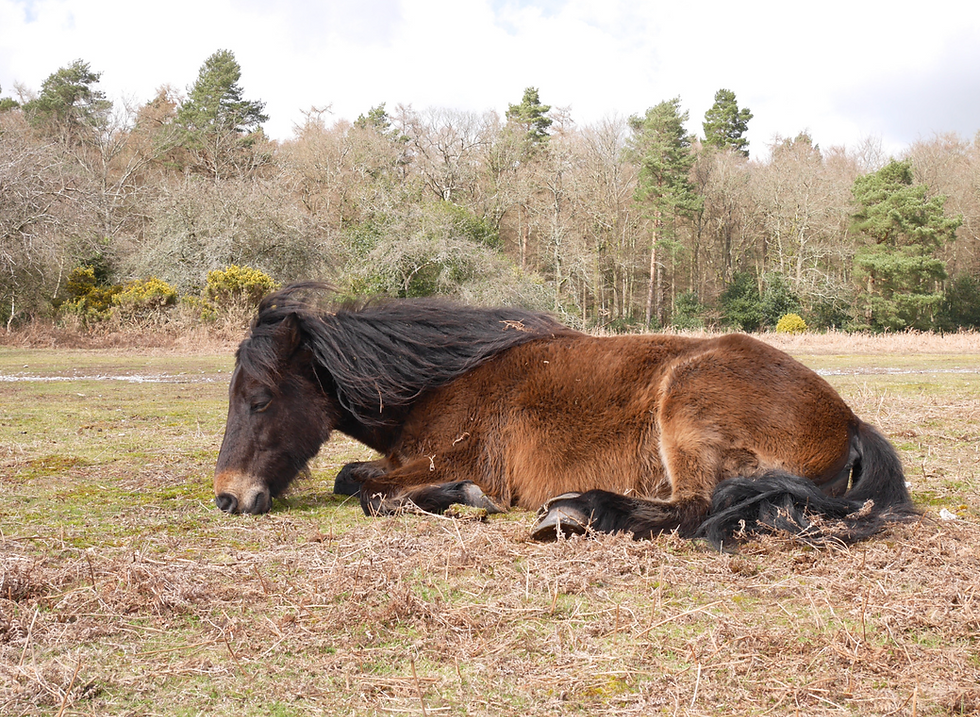
Repeated falling or inability to rise
Recumbency
Seizures in some cases
Aggression in some, but not all, cases
Paresis means weakness caused by impaired nervous control. Hyperesthesia may make a horse appear painful or dangerously reactive to touch. Dysphagia allows feed, water and saliva to collect in the mouth or throat.
Trying to clear a suspected choke, examine the tongue or give oral medication may place a handler close to infectious saliva. Dysphagia combined with behavior change, weakness or rapid neurological progression requires strict caution.
Furious, Dumb and Paralytic Forms
Traditional descriptions divide rabies into furious, dumb and paralytic patterns. Signs can overlap or change as infection progresses.
Furious rabies may involve agitation, aggression, self-trauma, biting, striking, abnormal vocalization or extreme reactivity. Some horses appear frightened or respond violently to ordinary touch and sound.
Dumb rabies may produce depression, dullness, lowered head carriage, weakness, reduced responsiveness and difficulty swallowing. The horse may appear unusually quiet rather than aggressive.
Paralytic rabies is dominated by weakness, ataxia, loss of tail or anal tone, recumbency and progressive paralysis. Spinal cord and peripheral nerve involvement can be prominent in horses.
What the Equine Case Literature Shows
In the classic 21-horse retrospective series, the initial presenting problems included ataxia or hindlimb paresis in 43 percent, lameness in 24 percent, recumbency in 14 percent, pharyngeal paralysis in 10 percent and apparent colic in 10 percent. As disease progressed, all horses became recumbent. Hyperesthesia was reported in 81 percent, loss of tail and anal sphincter tone in 57 percent, fever in 52 percent, and hindlimb ataxia or paresis in 52 percent.
This small historical study cannot predict every modern case, but it demonstrates the range of presentations. Rabies may first enter the differential list through a complaint that sounds like lameness, colic or weakness.
Did You Know? No sign, including aggression, is present in every rabid horse. A quiet, weak horse with swallowing difficulty can present as serious an exposure risk as an aggressive horse.
Conditions That Can Resemble Rabies
Many more common disorders can produce individual signs seen with rabies. The veterinarian must evaluate the pattern and progression of signs, vaccination and exposure history, the location of neurological dysfunction and appropriate diagnostic testing while protecting people from possible exposure.
Condition | Why It May Be Considered |
Eastern Equine Encephalitis | Can cause acute neurological disease, weakness and severe incoordination |
Can cause fever followed by progressive neurological signs | |
May cause weakness, ataxia, tremors and other neurological abnormalities | |
May cause weakness, ataxia and other neurological deficits | |
Wobbler Syndrome | Can cause spinal-cord dysfunction, weakness and incoordination |
Brain, spinal cord or peripheral nerve trauma | Can produce sudden neurological abnormalities |
Botulism | May cause progressive weakness and difficulty swallowing |
Equine herpesvirus myeloencephalopathy | Can cause acute neurological disease and weakness |
Choke or pharyngeal disease | May cause difficulty swallowing, drooling or feed and water from the nostrils |
Musculoskeletal pain or lameness | Rabies may initially appear to be an unexplained lameness |
Colic | Early rabies may cause pawing, flank-watching, restlessness or other apparent colic signs |
Other differentials can include hepatic encephalopathy, toxicity and severe metabolic disease.
The important point is that no single sign confirms rabies. Acute, unexplained and progressive neurological disease should be evaluated by a veterinarian while appropriate rabies precautions are maintained.
Ataxia is a clinical sign, not a diagnosis. It tells the examiner that coordination is abnormal but does not identify the cause. The same is true of fever, lameness and colic behavior. When a problem is acute, unexplained and progressing quickly, the rate of change can be as important as the sign itself.
Why Rabies Is Difficult to Recognize
Several features make equine rabies a diagnostic challenge:
Exposure is often unwitnessed, and the bite may be hidden.
The incubation period varies.
Early signs are nonspecific and may look like colic, lameness or choke.
Aggression may never occur.
Routine bloodwork cannot confirm or exclude rabies.
Safe confirmation generally depends on specialized postmortem testing.
Owners should not attempt to “test” the horse’s reactions by stimulating it, backing it repeatedly or putting hands in its mouth. Videos taken safely from outside the enclosure can help a veterinarian understand abnormal movement or behavior, but only if recording does not delay the emergency call or place anyone at risk.
What to Do If Rabies Is Suspected
The first priorities are preventing exposure and obtaining professional direction.
Call the attending veterinarian immediately and state clearly that rabies is a concern.
Keep people, pets and livestock away from the horse.
Avoid the mouth, saliva and nervous tissue.
Do not administer oral medication or attempt a detailed oral examination.
Do not move the horse through common areas unless authorities direct it.
Close off the immediate area without placing anyone in reach of the horse.
Make a list of every person and animal that may have contacted saliva.
Preserve vaccination records and details of any wildlife encounter.
Follow instructions from the veterinarian and animal health or public health authorities.
Anyone whose broken skin, eyes, nose or mouth may have contacted saliva from a suspect animal should wash the affected area promptly with soap and water and seek immediate public health or medical advice. Human rabies post-exposure prophylaxis is highly effective when given appropriately before symptoms develop, but the decision and schedule belong to medical and public health professionals. Current guidance is available from the Centers for Disease Control and Prevention.
Do not kill or dispose of a suspect wild animal without official instructions. Damage to the head can interfere with testing, and contact with the carcass may create another exposure.
Did You Know? A rabies investigation can involve both animal health and human health authorities. The horse is a veterinary patient, but people exposed to its saliva may require a separate medical risk assessment.
How Rabies Is Diagnosed in Horses
There is no widely accepted routine test that can reliably rule out rabies in a living horse. Clinical signs, exposure history and vaccination records help establish suspicion, but they cannot confirm the disease.
Definitive animal diagnosis is generally performed after death using brain tissue. The direct fluorescent antibody test has long been a standard method. Other validated methods, including immunohistochemistry and molecular assays, may be used by authorized laboratories according to jurisdiction and laboratory protocol. Samples must be collected by trained personnel using appropriate biosafety procedures.
Diagnostic laboratories follow standardized brain-sampling procedures because rabies antigen may not be distributed evenly. Owners and barn personnel should never attempt collection.

Serum antibody testing is not a test for clinical rabies. A measurable rabies-virus-neutralizing antibody response may indicate vaccination or previous immune stimulation, but it does not prove that a neurologically abnormal horse is free of active rabies. Likewise, a low titer does not by itself diagnose infection.
Bloodwork, cerebrospinal fluid analysis and imaging may investigate other diseases but cannot independently clear a horse of rabies. A concerning case must be managed as a public health risk while diagnostic decisions are made.
Pathology of Equine Rabies
Gross Pathology
Gross lesions may be absent or nonspecific. In the 21-horse retrospective study, only five horses had visible abnormalities such as diffuse cerebral edema, meningeal congestion or focal hemorrhage. A brain that appears normal to the naked eye does not exclude rabies.
Microscopic Pathology
Rabies commonly produces nonsuppurative encephalomyelitis. This means inflammation of the brain and spinal cord dominated by mononuclear immune cells rather than the neutrophils associated with pus-forming bacterial infection.
Microscopic findings reported in horses include:
Perivascular cuffs of lymphocytes and other mononuclear cells around blood vessels
Neuronal degeneration
Neuronophagia, in which inflammatory cells surround and remove injured neurons
Gliosis, meaning activation or proliferation of the supporting cells of the nervous system
Meningitis and myelitis
Ganglioneuritis, or inflammation of clusters of nerve cell bodies outside the brain and spinal cord
Gray-matter degeneration or malacia within the spinal cord
Spinal cord lesions help explain prominent hindlimb weakness, ataxia, hyperesthesia, altered tail and anal tone, and recumbency. Some equine cases may appear clinically more like spinal cord disease than classic encephalitis.
Negri Bodies
Negri bodies are eosinophilic intracytoplasmic inclusions within some infected neurons. They stain pink or red with routine histological stains and function as specialized compartments associated with viral replication.
Their absence does not rule out rabies. Routine histology alone is insufficient for a definitive negative diagnosis, so validated laboratory methods are required.
Did You Know? Negri bodies are named microscopic structures, not a separate stage of disease. A horse can have rabies even when no Negri bodies are seen in the tissue sections examined.
Treatment and Treatment Outcome
Once Clinical Signs Develop
There is no evidence-based curative treatment for clinical rabies in horses. Once neurological signs appear, the prognosis is effectively fatal. Supportive care does not stop viral spread through the nervous system and has not been shown to change the outcome.
In the 21-horse study, nine horses received supportive treatment, but treatment had no effect on survival time. All horses became recumbent, and survival after the onset of signs averaged fewer than five days. Contemporary reports remain consistent with a rapidly progressive, fatal course. The southern Colombia investigation covering 2024 and 2025 reported progressive neurological deterioration and no clinical recovery among the affected equids.
Euthanasia may be required for welfare and public safety, but it must be coordinated with the veterinarian and relevant authorities so that diagnostic samples can be collected correctly and exposed people and animals can be identified. Ordinary treatment attempts can increase exposure if they involve the mouth, saliva, needles, close restraint or repeated handling.
No established protocol has produced reliable therapeutic reversal of clinically apparent equine rabies.
Exposure Before Clinical Disease Is Different
A clinically normal horse that may have been exposed is in a different situation from a horse already showing rabies signs. Prompt post-exposure management may include revaccination, observation, isolation or euthanasia, depending on vaccination status, documentation, the nature of exposure and local law.
Current AAEP rabies vaccination guidance states that a horse with documented current vaccination that is exposed to a confirmed rabid animal should be revaccinated immediately by a licensed veterinarian and observed for the period directed by state public health officials. For an unvaccinated horse, public health authorities should be contacted immediately. Available options may include prolonged isolation with immediate post-exposure vaccination or euthanasia. Exact requirements vary by jurisdiction.
Owners should not invent a quarantine period or assume that vaccination after exposure is sufficient without official guidance. Rabies control is regulated because decisions affect human health as well as the horse.
Vaccination: The Most Important Protection
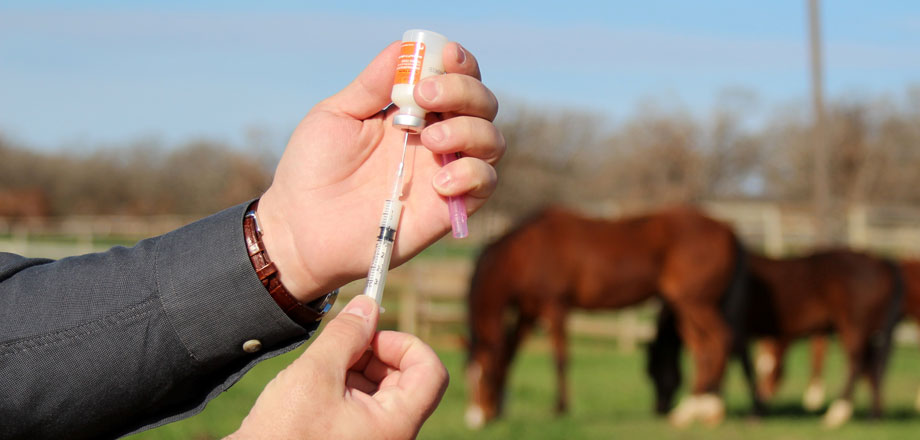
The American Association of Equine Practitioners classifies rabies as a core vaccine and recommends annual vaccination for all equids in the United States. Core status reflects the severity of the disease, zoonotic risk and unpredictable wildlife exposure, even though equine cases are uncommon.
Horse Education Online provides a practical overview in Rabies Vaccine for Horses: Is It Required, How Often, and What Owners Should Know. Owners can also review the broader Horse Vaccination Schedule and use the 5-Way Vaccine Planner when organizing discussions with their veterinarian. A 5-way product does not automatically include rabies, so the actual product and medical record must be checked.
Licensed equine vaccines are inactivated products. AAEP guidance lists one initial dose for an unvaccinated adult followed by annual revaccination. Foal schedules differ with the dam’s vaccination history because maternal antibodies may interfere with response. Product labels, local rules and veterinary guidance determine the final schedule.
Vaccination stimulates the development of rabies-virus-neutralizing antibodies before exposure. A 2024 study of 93 vaccinated horses found that 84, or 90.3 percent, had antibody concentrations above the study’s selected threshold of 0.5 IU/mL. Antibody concentrations generally declined with time, although measurable responses persisted for years in many horses. (Tirosh-Levy et al., 2024)
The 0.5 IU/mL value is a reference threshold, not a guarantee of protection for an individual horse. A precise equine correlate of protection has not been conclusively established.
In the historical Green series, five affected horses reportedly had been vaccinated 4 to 24 months before disease began. The retrospective records do not establish a modern vaccine failure rate. They do show why compatible neurological disease should not be dismissed solely because an owner recalls a vaccination.
Good documentation matters. Record the vaccine name, date, lot information when available, administrator and next due date. Keep the veterinarian’s certificate or invoice. The Horse Tracker can keep vaccine records, veterinary dates and health notes together.
Did You Know? Rabies vaccine is usually given separately from a 5-way combination vaccine. A horse can be current on its “5-way” and still be overdue for rabies.
Reducing Rabies Risk Around the Barn
Vaccination is the foundation, while practical management reduces opportunities for wildlife contact:
Store feed securely, clean spills and keep garbage covered so wildlife is not drawn to the barn.
Repair entry points using species-appropriate exclusion. Never seal bats inside a structure, and use professional help where required.
Keep barn dogs and cats vaccinated, supervise them around wildlife and discourage strays from entering horse areas.
Treat loss of fear, unexplained aggression, circling, paralysis, salivation or abnormal daytime activity in wildlife as a warning. Keep away and call animal control.
Maintain horse identification and vaccine records. Staff should know that a drooling neurological horse must not automatically be treated as routine choke.
Decide in advance who calls the veterinarian, closes the area, finds records and documents possible saliva exposure.
Understanding the Strength and Limits of the Evidence
Horse-specific information comes largely from case reports, retrospective series and experimental infections because natural equine rabies is uncommon and fatal. Evidence for rapid progression and fatal outcome is strong and consistent. Percentages assigned to individual signs and estimates of natural incubation are less certain because study groups are small and experimental exposure does not reproduce every wildlife bite.
Reservoir data are strong but geographic, and patterns change as control programs change. Evidence supporting vaccination is also strong, although the antibody concentration that guarantees protection in an individual horse remains uncertain.
Conclusion
Rabies belongs on the differential list for any horse with acute, unexplained and progressive neurological disease, even when no bite was seen and the horse is not aggressive. Early signs may resemble colic, lameness, choke or spinal cord disease, creating risk for anyone who handles the mouth or saliva before rabies is considered.
Immediate veterinary involvement, restricted contact and coordination with animal and public health authorities protect the people and animals involved. Annual vaccination under veterinary guidance, accurate records, wildlife control and a practiced exposure plan provide the best protection against this rare but unforgiving disease.
Frequently Asked Questions About Rabies in Horses
What are the first signs of rabies in a horse?
Early rabies signs can be vague and may include fever, reduced appetite, depression, unusual quietness, anxiety, behavior changes, apparent colic, unexplained lameness, tremors or increased sensitivity.
This is one reason rabies can be difficult to recognize. Early disease may resemble several much more common conditions before obvious neurologic signs appear. Owners can review The Horse’s Vital Signs to understand their horse’s normal baseline.
How do horses get rabies?
Horses most commonly become infected when a rabid mammal bites them and virus-containing saliva enters the tissue.
Exposure can also occur if infectious saliva contacts broken skin or a mucous membrane such as the eye, nose or mouth. Contact with intact skin is not generally considered a rabies exposure.
Can a horse have rabies without a visible bite?
Yes. A bite may be small, hidden beneath the coat, already healed or never witnessed.
The article cites a series of 21 naturally affected horses in which no bite wound was identified in any horse. A missing bite wound therefore cannot safely be used to rule out rabies.
Do horses with rabies always become aggressive?
No. Aggression is only one possible presentation.
Some horses instead become quiet, depressed, weak or poorly coordinated. Others develop difficulty swallowing, drooling, hindlimb weakness, loss of tail tone, repeated falling or progressive paralysis.
The Equine Neuro Screen and Localization Assistant can help owners learn to recognize neurologic abnormalities, but suspected rabies requires immediate professional evaluation.
Can rabies spread from a horse to a person?
Yes. A clinically affected horse can expose people or other animals if virus-containing saliva or nervous tissue enters broken skin or contacts the eyes, nose or mouth.
This is why a horse with unexplained difficulty swallowing, drooling or rapidly progressive neurologic disease should not have its mouth examined or receive oral medication until a veterinarian has assessed the situation.
How is rabies diagnosed in horses?
Rabies cannot be reliably ruled out with routine bloodwork or diagnosed from clinical appearance alone.
Definitive diagnosis generally requires specialized testing of brain tissue after death. The direct fluorescent antibody test has traditionally been a standard diagnostic method, with other validated laboratory methods also available.
Is there a treatment for rabies in horses?
There is no proven curative treatment once neurologic signs of rabies develop.
The prognosis is effectively fatal. The article reports that in one 21-horse case series, survival after signs began averaged 4.47 days, with a range of one to seven days.
A clinically healthy horse that has only been exposed is a different situation and may require immediate post-exposure management directed by veterinarians and public-health authorities.
What should you do if you suspect a horse has rabies?
Call the veterinarian immediately and clearly state that rabies is a concern.
Keep people, pets and livestock away from the horse, avoid the mouth and saliva, do not give oral medication and do not attempt a detailed oral examination. Preserve vaccination records and details of any possible wildlife encounter.
Anyone whose broken skin, eyes, nose or mouth may have contacted saliva should promptly wash the area and seek medical or public-health advice.
How often should horses be vaccinated for rabies?
The article cites AAEP guidance recommending rabies as a core vaccine with annual vaccination for equids in the United States.
Rabies vaccine is usually given separately from a traditional 5-way combination vaccine, so a horse can be current on its 5-way vaccine and still be overdue for rabies.
Owners can review the 5-Way Equine Vaccine guide and use Horse Tracker to keep vaccine dates, veterinarian visits and exposure history organized.
References
Green SL, Smith LL, Vernau W, Beacock SM. Rabies in horses: 21 cases (1970-1990). Journal of the American Veterinary Medical Association. 1992;200(8):1133-1137.
Hudson LC, Weinstock D, Jordan T, Bold-Fletcher NO. Clinical presentation of experimentally induced rabies in horses. Journal of Veterinary Medicine Series B. 1996;43(5):277-285. doi:10.1111/j.1439-0450.1996.tb00315.x.
Hamir AN, Moser G, Rupprecht CE. A five year (1985-1989) retrospective study of equine neurological diseases with special reference to rabies. Journal of Comparative Pathology. 1992;106(4):411-421. doi:10.1016/0021-9975(92)90025-P.
O’Toole D, Mills K, Ellis J, Welch V, Fillerup M. Poliomyelomalacia and ganglioneuritis in a horse with paralytic rabies. Journal of Veterinary Diagnostic Investigation. 1993;5.
Green SL. Equine rabies. Veterinary Clinics of North America: Equine Practice. 1993;9(2):337-347. doi:10.1016/S0749-0739(17)30400-5.
Toribio RE. Nonarboviral equine encephalitides. Veterinary Clinics of North America: Equine Practice. 2022;38(2):323-338. doi:10.1016/j.cveq.2022.04.007.
Carrieri ML, Peixoto ZMP, Paciencia MLB, Kotait I, Germano PML. Laboratory diagnosis of equine rabies and its implications for human postexposure prophylaxis. Journal of Virological Methods. 2006;138(1-2):1-9. doi:10.1016/j.jviromet.2006.07.005.
Tirosh-Levy S, Shaiman Barom L, Novak S, et al. Persistence of anti-rabies antibody response in horses following vaccination. Pathogens. 2024;13(2):125. doi:10.3390/pathogens13020125.
Watson JL, et al. Duration of serum antibody response to rabies vaccination in horses. Journal of the American Veterinary Medical Association. 2016;249(4):411-418. doi:10.2460/javma.249.4.411.
Johnson N, Aréchiga-Ceballos N, Aguilar-Setién A. Vampire bat rabies: ecology, epidemiology and control. Viruses. 2014;6(5):1911-1928. doi:10.3390/v6051911.
Saminathan M, Singh KP, Reddy GBM, et al. Rabies: epidemiology, pathogenesis, public health concerns and advances in diagnosis and control: a comprehensive review. Veterinary Quarterly. 2017;37(1):212-251. doi:10.1080/01652176.2017.1343516.
Boutelle C, Bonaparte S, Orciari LA, et al. Rabies surveillance in the United States during 2023. Journal of the American Veterinary Medical Association. 2025;263(10):1310-1317.
MacGibeny MA, Koyuncu OO, Wirblich C, Schnell MJ, Enquist LW. Retrograde axonal transport of rabies virus is unaffected by interferon treatment but blocked by emetine locally in axons. PLoS Pathogens. 2018;14(7). doi:10.1371/journal.ppat.1007188.
Piccinotti S, Whelan SPJ. Rabies internalizes into primary peripheral neurons via clathrin coated pits and requires fusion at the cell body. PLoS Pathogens. 2016;12(7). doi:10.1371/journal.ppat.1005753.
Nikolic J, Lagaudrière-Gesbert C, Scrima N, Blondel D, Gaudin Y. Structure and function of Negri bodies. Advances in Experimental Medicine and Biology. 2019;1215:111-127.
Sánchez-Rojas IC, Bonilla-Aldana DK, Solarte-Jimenez CL, et al. Equine rabies in Southern Colombia, 2024-2025. Animals. 2026;16(13):2020. doi:10.3390/ani16132020.
American Association of Equine Practitioners. Rabies Vaccination Guidelines. Accessed August 20, 2026.
Centers for Disease Control and Prevention. Rabies Post-exposure Prophylaxis Guidance. Accessed August 20, 2026.
World Organisation for Animal Health. Rabies: Manual of Diagnostic Tests and Vaccines for Terrestrial Animals. 2024.


Comments