top of page

Articles
Whether you are new to the equine field or a seasoned professional, our articles provide insightful and educational content to deepen your expertise and understanding of all aspects of equine care and management.
Applied filters

Read
Introduction to the Equine Hock: Anatomy, Biomechanics, and Why It Matters
The equine hock, also called the tarsus, is one of the most important structures in the horse’s hind limb. It plays a central role in movement, athletic performance, balance, and soundness. Because of this, the hock is also one of the most common locations for arthritis, strain, and performance-related lameness. Understanding how the hock works can help horse owners better recognize early signs of discomfort.

Read
Introduction to the Equine Carpus (Knee): Anatomy, Biomechanics, and Common Problems
The equine carpus is one of the most important joints in the horse’s body. Every time a horse gallops, lands from a jump, turns sharply, or even walks across uneven ground, the carpus helps absorb force and stabilize the limb. Because of the tremendous stresses placed on it, the carpus is also one of the most commonly injured joints in athletic horses. Understanding how this joint works can help horse owners better recognize problems early.

Read
The American Quarter Horse
Learn about the American Quarter Horse, one of the world’s most versatile and popular horse breeds. Discover its history, temperament, uses in ranching and rodeo, common health concerns, important bloodlines, and why Quarter Horses remain a favorite among riders, ranchers, and families alike.

Read
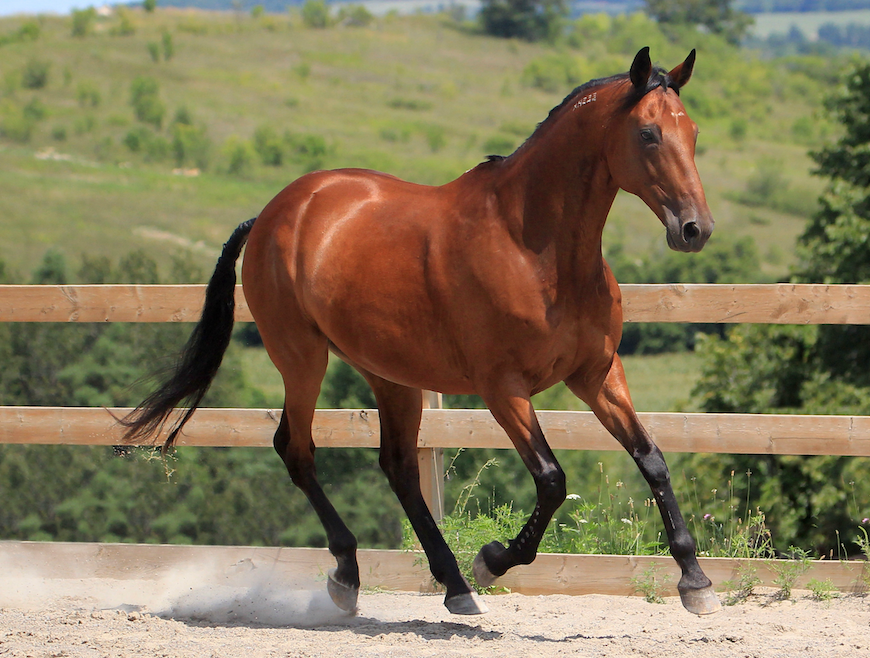
Horse Breeds Explained: Finding the Right Horse for Different Riders and Disciplines
Horses come in an incredible variety of shapes, sizes, colors, and personalities. Some are built for speed and athletic competition, while others are famous for their calm nature and tremendous strength. In this article, we will look at the main horse breed categories, explain the difference between hot-blooded, warmblood, and cold-blooded horses, and explore some of the best breeds for beginners and popular riding disciplines.

Read
What the Peer-Reviewed Literature Does (And Doesn’t) Say About Donkey Conformation And Hoof Care
This article explores what peer-reviewed research currently tells us about donkey conformation, hoof structure, and trimming practices, while separating evidence-based findings from assumptions borrowed from horses.


Read
Curb in Horses: What It Is, Why It Happens, and How It Is Managed
"Curb" is a term that has been used in horse care and veterinary medicine for generations, yet it is often misunderstood. This article explores what curb is, the anatomy involved, common causes, clinical signs, diagnosis, treatment, rehabilitation, and prognosis.

Read
Acute Laminitis: Evidence-Based Hoof Support and Shoeing Strategies
Understanding the biomechanics of the acute phase of laminitis is essential for making informed decisions about hoof support, trimming, and shoeing. Every modality discussed in this article is grounded in a consistent set of mechanical goals that aim to protect the lamellae and stabilize the hoof.


Read
Equine Protozoal Myeloencephalitis (EPM): An Advanced Clinical and Management Perspective
Equine Protozoal Myeloencephalitis, commonly referred to as EPM, remains one of the most significant infectious neurologic diseases affecting horses in the Americas. This article is an advanced clinical and management overview of the disease.

Read
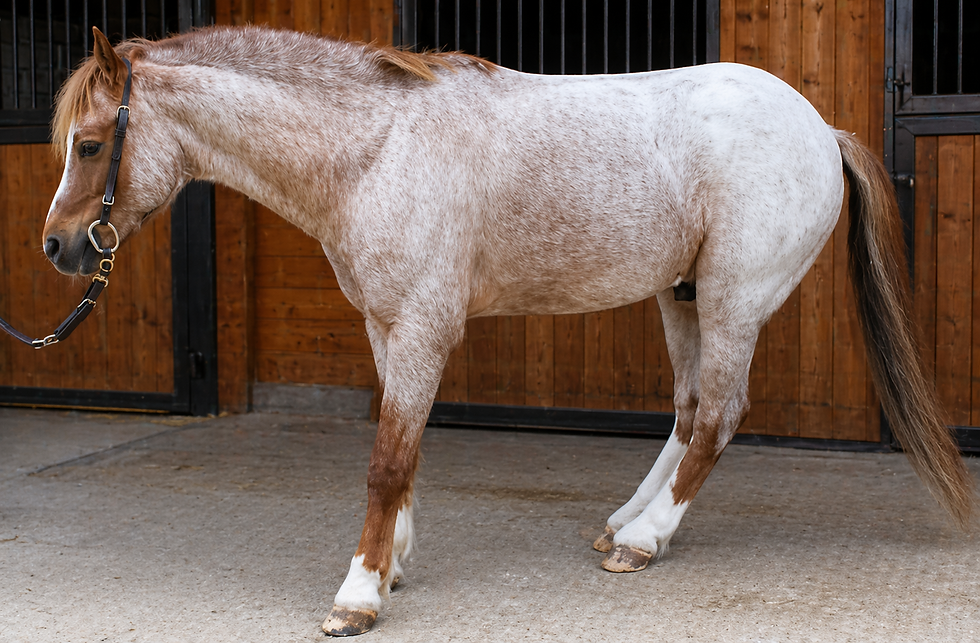
Equine Canker: What It Is, Why It Happens, and How to Manage It Effectively
Equine canker is a chronic, progressive disease affecting the hoof, most commonly the frog. It involves abnormal growth and breakdown of the hoof’s outer tissue layers. Learn what causes it, how to recognize it, and how to treat it.

Read
Suspensory Ligament Sprains and Injuries in Horses - An Advanced Overview
The equine suspensory ligament (SL), also referred to as the interosseous muscle, is a critical component of the horse’s distal limb support apparatus. This advanced article covers the major injuries that can affect it, and their definitions.


Read
The Evolution of Scientific Understanding of Laminitis: Historical Review from the 18th Century to Current Paradigms
Equine laminitis is a debilitating and potentially fatal disorder of the hoof characterized by failure of the lamellar attachment apparatus. Although recognized for centuries under the term “founder,” scientific interpretations of its pathophysiology have undergone repeated paradigm shifts. Learn how our understanding of this diseased changed throughout history.

Read
The Equine Poll: Anatomy, Function, and Its Role in Riding
The poll is a small area with a surprisingly large influence on how a horse feels and moves. Positioned just behind the ears, it marks the point where the head meets the neck. While it may appear simple from the outside, the poll is a highly specialized region where several important structures come together.


Read
The Pastern Joint: Structure, Function, and Why It Matters
The pastern joint is one of those structures that rarely gets attention until something goes wrong. Yet it plays an essential role in how a horse moves, carries weight, and stays sound. Understanding this joint gives you a clearer picture of how the limb functions as a whole, and why small changes in conformation or workload can have significant consequences.

Read
The Coffin Joint: The Hidden Engine Inside The Horse’s Hoof
The "distal interphalangeal joint", commonly known as the coffin joint, sits entirely inside the hoof capsule, hidden from view, yet it plays a central role in how your horse moves, absorbs impact, and carries weight. Learn how this joint can impact your horse's soundness.

Read
Understanding Crossfiring: the Most Misunderstood Gait Fault
Crossfiring is a specific gait fault that is often misunderstood. Many horse owners and trainers mistakenly label gait irregularities as "crossfiring", leading to confusion and sometimes incorrect training approaches. Learn how to recognize crossfiring with this article.


Read
Donkeys, Mules, and Hinnies: An Introductory Guide
Despite their similar appearance, donkeys are not simply small horses. They are a distinct animal with unique physical, behavioral, and psychological traits that influence how they should be handled and cared for. Learn what sets donkeys, mules, and horses apart in this article.
Contact Details
Please feel free to contact us with any questions and queries you might have. We are always happy to help you.
bottom of page