
Horse Ownership Foundations: What Every First-Time Horse Owner Should Know (and a Free Certification Course)


Bringing a horse into your life is exciting, meaningful, and often deeply personal. For many people, owning a horse is the fulfillment of a lifelong dream. It may begin with riding lessons, childhood memories, a love of the animal, a desire to compete, or simply the wish to build a relationship with one of the most remarkable animals in the world.
But horse ownership is not only about enjoyment. It is also a major responsibility.
Horses require consistent daily care, proper nutrition, safe handling, regular hoof care, routine health monitoring, appropriate living conditions, emergency planning, and a long-term commitment of time, money, education, and effort. For first-time horse owners, the amount of information can feel overwhelming at first. There are new terms to learn, new routines to follow, new professionals to work with, and new warning signs to recognize.
That is why our Horse Ownership Foundations certification manual was created. This article covers all the basic topics you need to be aware of, and the manual provides the details and depth of information necessary to be a great steward of your horse. After you're done reading here, head over to the certification manual to keep learning. The program is 100% free and designed for first-time horse owners, future horse owners, lease owners, parents of horse-crazy children, new barn helpers, and anyone who wants a practical introduction to responsible horse care.
Horse ownership can be deeply rewarding, but the best owners are prepared owners. This article introduces the 9 major areas covered in the Horse Ownership Foundations manual and explains why each one matters.
1. Understanding the Horse in Your Care
Before learning the practical details of horse ownership, it is important to understand the animal itself.
Horses are not small pets. They are not machines. They are not farm equipment with predictable settings. They are large, powerful, sensitive animals with natural instincts and needs that must be respected.
A horse’s behavior is shaped by three important facts:
Horses are prey animals. They are highly aware of their surroundings, quick to notice changes, and naturally inclined to flee from perceived danger.
Horses are herd animals. They rely on social contact, communication, and group safety. Isolation or poor social management can affect behavior and welfare.
Horses are grazing animals. They are designed to move and eat small amounts of forage throughout much of the day.
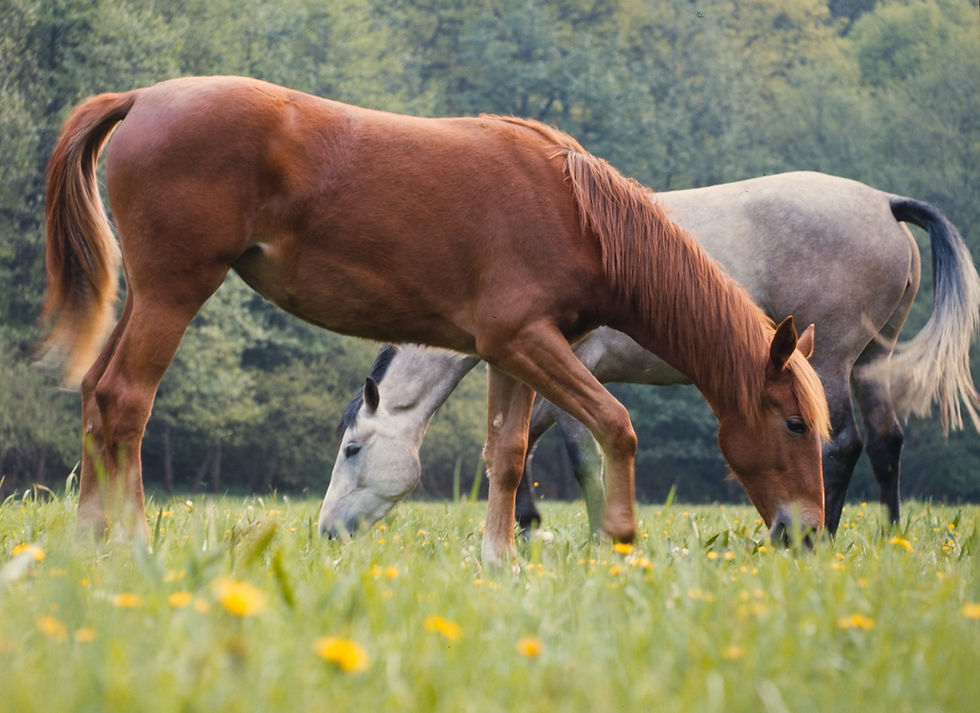
Many problems in horse ownership begin when people misunderstand these basic needs. A horse that is nervous, reactive, difficult to catch, aggressive, hard to handle, or struggling in its environment is not always being stubborn or disobedient. Sometimes the horse is responding to fear, pain, discomfort, confusion, isolation, poor management, or unmet physical needs.
Good horse ownership begins with learning to see the world from the horse’s perspective.
This does not mean excusing dangerous behavior or avoiding proper training. It means recognizing that safe, responsible care starts with understanding how horses think, move, eat, socialize, and respond to stress.
The manual also introduces readers to the Five Freedoms, a widely recognized framework for animal welfare.
These principles state that animals under human care should have:
Freedom from hunger and thirst
Freedom from discomfort
Freedom from pain, injury, or disease
Freedom to express normal behavior
Freedom from fear and distress
For horse owners, the Five Freedoms are not abstract ideas. They show up in daily decisions: clean water, appropriate feed, safe shelter, routine hoof care, veterinary attention, turnout, social contact, proper handling, and careful observation.
2. Emergency Planning and Preparedness
The Horse Ownership Foundations manual begins its practical instruction with emergencies because emergency preparedness is one of the most important and often overlooked parts of responsible horse ownership.
Even experienced horse owners can find themselves unprepared when something unexpected happens. Horses can become injured, develop sudden illness, colic, experience severe lameness, get caught in fencing, have eye injuries, choke, show neurological signs, or require emergency transportation. Barns may face natural disasters, wildfires, storms, flooding, power outages, evacuations, trailer problems, or sudden changes in care arrangements.
In a stressful situation, it can be difficult to think clearly. That is why horse owners need a plan before an emergency happens.
Every horse owner should have quick access to:
Primary veterinarian contact information
After-hours emergency veterinary clinic information
Farrier contact information
Boarding facility or barn manager contact information, if applicable
Emergency transportation or trailer contact
Poison control information, if available in your region
Fire evacuation plan, especially in high-risk areas
Directions to the nearest equine hospital
Transportation is a major part of emergency planning. If a horse requires referral to an equine hospital, the owner needs to know where the trailer keys are, whether the truck is fueled, who can haul if the owner does not own a trailer, and where the nearest equine hospital is located.

Another fundamental aspect of emergency preparedness and good horse husbandry is keeping medical records organized and accessible.
Useful records include:
Vaccination history
Deworming schedule
Dental records
Current medications
Allergies or drug reactions
Previous illnesses or surgeries
Insurance information, if applicable
Microchip or identification information
Radiographs, photos, videos, and other comparison records
You can use our Online Horse Tracker to store all of your horse's records in one place.
Know Your Horse's Vital Signs
A major part of emergency preparation is knowing your horse’s normal vital signs. Owners should not wait until a horse is sick to learn how to take temperature, heart rate, respiratory rate, gum color, and capillary refill time. Practicing these skills while the horse is healthy and calm helps the owner establish a baseline.

You need to know how to monitor:
Body temperature
Heart rate
Respiratory rate
Gum color
Capillary refill time
Hydration indicators
Overall attitude and behavior
Additional Vital Signs Resources:
A resting adult horse typically has a heart rate between 28 and 44 beats per minute and a respiratory rate of about 8 to 16 breaths per minute. Persistent temperatures above 101.5°F should be discussed with a veterinarian. Gum color, moisture, and capillary refill time can also give important information about circulation, hydration, and shock.
Situations that require immediate veterinary attention include:
Signs of colic
Difficulty breathing
Severe bleeding
Inability to bear weight
Suspected fracture
Embedded objects in the hoof
Eye injuries
Neurological signs
Choke
Abnormal vital signs
Severe wounds
Colic: A Serious Emergency
Colic is especially important for new owners to understand. Colic is not one single disease. It is a general term for abdominal pain in horses, most often related to the digestive tract. It can range from mild gas discomfort to a life-threatening intestinal problem.
Signs of colic may include:
Pawing
Rolling repeatedly
Looking at the flank
Repeatedly lying down and getting up
Refusing feed
Sweating without exercise
Little or no manure production
Colic can quickly become life-threatening. Any symptoms of colic should be treated as an emergency. Visit our Colic Center to learn more.
Colic Resources:
Have A Fully Stocked Emergency Kit
The basics of a well-stocked equine first aid kit are also important to have on-hand at all times.
A good kit may include:
Digital thermometer
Stethoscope
Sterile gauze
Non-stick dressings
Bandage materials
Self-adhering wrap
Adhesive tape
Blunt-ended scissors
Disposable gloves
Saline solution
Antiseptic solution
Tweezers
Flashlight or headlamp
Hoof pick
Clean towels
Emergency contact list
Emergency planning is not about expecting the worst. It is about being proactive, organized, and prepared to protect the horse when time matters.
3. Daily Essentials of Horse Care
Responsible horse care is built on daily habits.Every day, horse owners should:
Provide clean, fresh water
Feed appropriate forage
Observe manure
Monitor appetite
Observe behavior
Check for injuries, swelling, and lameness
Clean stalls or remove manure from turnout areas
Ensure access to shelter from extreme weather
These tasks may seem basic, but they are the foundation of good horse management. Many health problems are first noticed during ordinary chores. A horse that does not finish breakfast, produces fewer manure piles, drinks less water, stands alone, moves stiffly, develops swelling, or suddenly seems dull may be showing the earliest signs of a problem.
The Importance Of Free Access To Clean Water
Water is one of the most important daily essentials. In fact, water is the most important nutrient in a horse’s diet. An average 1,000-pound horse typically drinks 5 to 10 gallons of water per day under normal conditions, and water needs may increase significantly with hot weather, exercise, lactation, high-salt diets, dry hay feeding, illness, or fever.

Water supports:
Digestion
Nutrient absorption
Temperature regulation
Circulation
Joint lubrication
Waste removal
Healthy gut function
Because the horse’s digestive system depends on adequate water intake, reduced drinking can increase the risk of dehydration and impaction colic.
Horses should always have access to water that is:
Clean
Fresh
Clear
Free from manure contamination
Free from excessive algae
Free from excessive mud, feed particles, or debris
Buckets, troughs, and automatic waterers should be checked and cleaned regularly. Automatic waterers should not be trusted blindly; they must be inspected to ensure they are functioning properly.
Seasonal water management is also important. In winter, frozen water sources and very cold water may reduce drinking, increasing the risk of dehydration and impaction colic. In summer, horses may drink significantly more and can lose large amounts of water and electrolytes through sweat.

Additional Resources
The Importance Of High Quality Forage
Forage is another daily essential. Horses are grazing animals, and forage should be the foundation of most equine diets. Hay or pasture provides fiber, energy, protein, vitamins, minerals, and support for normal gut movement. Horses are naturally adapted to spend much of the day foraging.
Good hay should be:
Clean
Pleasant smelling
Leafy and soft, depending on forage type
Green to light green in color
Free of visible mold
Free of excessive dust
Free of weeds, trash, or foreign objects
Moldy or dusty hay can contribute to respiratory disease, digestive upset, reduced appetite, colic, and exposure to mycotoxins.

Daily care is not glamorous, but it is powerful. The horse owner who consistently checks water, feed, manure, attitude, movement, shelter, and environment is often the first person to detect that something is wrong.
Check out our Nutrition Section to learn more about different types of feed, and whether they are appropriate for your horse
4. Monitoring Manure, Appetite, and Early Health Clues
Manure observation is important because horses often show subtle signs before obvious illness develops.
Manure is one of the simplest and most useful indicators of digestive health. A horse’s manure can provide clues about hydration, diet, gut function, and overall well-being.
Healthy horse manure is usually:
Formed into distinct fecal balls
Moist but not watery
Firm enough to hold shape
Easy to break apart
Mild and earthy in odor
Medium to dark brown or greenish-brown, depending on diet

When broken apart, healthy manure should contain visible plant fibers from hay or pasture.
Changes in manure can signal problems.
Horse owners should pay attention to:
Dry, hard manure
Loose manure
Blood in manure
Extremely foul odor
Excessive mucus
Sand or grit
Large amounts of undigested feed
Reduced manure output
A healthy adult horse typically produces about 8 to 12 manure piles per day. A sudden decrease in manure production may indicate reduced feed intake, dehydration, gastrointestinal slowing, or colic.
A veterinarian should be contacted if manure changes are accompanied by:
Colic signs
Fever
Loss of appetite
Depression
Weight loss
Blood in manure
Persistent diarrhea
No manure production for several hours despite normal feeding
Appetite is another important daily clue. A healthy horse is usually eager to eat and spends a large portion of the day grazing or consuming forage.
A horse that suddenly eats less, leaves feed behind, eats more slowly, refuses hay, drops partially chewed feed, or loses interest in food may be experiencing pain, illness, stress, digestive problems, dental disease, or early colic.
Possible causes of appetite changes include:
Colic
Fever
Respiratory illness
Dental pain
Stress
Gastrointestinal disease
Metabolic disorders
Injury or lameness
This is why new horse owners must learn their individual horse’s normal eating habits. Some horses are slow eaters. Some are enthusiastic. Some clean up every scrap. Some are selective. What matters is recognizing a meaningful change from that horse’s normal pattern.
Dental issues are also commonly reflected in eating behavior. Horses with dental discomfort may:
Eat slowly
Drop partially chewed feed
Leave hay behind
Lose weight despite being offered enough feed
Salivate excessively
Show large, poorly chewed fibers in manure
5. Understanding Normal Equine Behavior
One of the most valuable habits a horse owner can develop is taking a few minutes each day to observe the horse’s normal behavior.
Horses often hide signs of illness, injury, pain, or stress. As prey animals, they evolved to conceal weakness. In the wild, showing vulnerability could make them a target for predators. Because of this, many horses show only subtle changes when something is wrong.

A horse that normally greets you at the gate but suddenly hangs back may be telling you something. A horse that is usually social but begins isolating from herd mates may be uncomfortable. A horse that becomes irritable, unusually quiet, restless, anxious, dull, aggressive, or reluctant to move may be showing signs of pain, illness, environmental stress, or management problems.
Healthy horses generally:
Show interest in their surroundings
Eat and drink regularly
Interact normally with herd mates
Move comfortably and willingly
Display alert but relaxed body language
Maintain consistent daily routines
Behavioral changes may point toward many different problems, including:
Colic
Lameness
Injury
Illness
Dental pain
Respiratory disease
Metabolic disorders
Stress
Observe eating, drinking, grazing, interest in hay or pasture, manure production, urination patterns, social behavior, and general attitude. These ordinary details often provide early clues.
Changes worth noting include:
Reduced appetite
Lethargy or depression
Restlessness
Isolation from herd mates
Unusual aggression
Reluctance to move
Changes in drinking or urination
Changes in manure habits
Difficulty breathing
Signs of colic
Daily observation also strengthens the relationship between horse and owner. Spending time watching the horse helps owners understand individual personality, preferences, social habits, and routines.
This section is especially important because beginners sometimes label horses as “stubborn,” “lazy,” “dramatic,” or “bad” when the behavior may actually be caused by pain, fear, confusion, or an unmet need. Understanding behavior helps owners respond more appropriately and communicate more effectively with trainers, veterinarians, farriers, and barn staff.
For readers who want to go deeper, the Horse Education Online Equine Behavior Certification teaches more about equine body language, posture, facial expression, demeanor, learning theory, reinforcement, pressure and release, timing, consistency, and clarity. Behavior is communication. A responsible owner learns to listen.
Additional Resources
6. Daily Checks for Injuries, Swelling, and Lameness
Horses are active, powerful, and surprisingly good at injuring themselves.
Even in safe environments, horses can develop cuts, bruises, swelling, hoof problems, puncture wounds, or lameness at any time. They may get hurt while playing with herd mates, slipping in turnout, stepping on rocks, kicking walls, getting caught on fencing, or simply moving awkwardly.
Many injuries happen when no one is watching. That is why a daily hands-on inspection is an essential part of horse ownership.
A simple daily inspection should include:
Observing the horse standing still
Watching the horse walk away and return
Running your hands over the body and legs
Looking for cuts, scrapes, missing hair, or bleeding
Checking for swelling or heat
Comparing one side of the body to the other
Picking out and inspecting each hoof
Noting any changes from normal
Small injuries can quickly become bigger problems if missed. Minor cuts can become infected. Small wounds can develop proud flesh. Mild swelling may indicate a deeper injury. Early lameness can progress to more severe pain or damage.

Owners should pay close attention to:
Legs and tendons
Hooves
Face
Under the jaw
Around wounds
Areas beneath tack
Heat can also be a warning sign. Heat combined with swelling may indicate infection, tendon or ligament strain, hoof abscess, joint inflammation, or another injury.
Lameness refers to an abnormal gait caused by pain or discomfort. Signs may include:
Limping
Shortened stride
Reluctance to move
Head bobbing
Uneven movement
Shifting weight
Difficulty turning
Stiffness
Hoof problems can develop quickly and are a common source of sudden lameness. Owners should watch for:
Loose or missing shoes
Cracks
Embedded stones
Sole bruising
Changes in hoof shape
Sensitivity when the foot is handled
Veterinary advice should be sought for significant swelling, deep wounds, puncture injuries, persistent lameness, severe pain, worsening heat and swelling, discharge, fever, or any situation where the owner is unsure.
The Horse Education Online Equine Lameness Certification Program teaches owners how to recognize different types of lameness, understand the anatomical structures involved, and become a better team member when working with equine professionals.
Lameness is one of the most common reasons horses need professional care. The earlier it is recognized, the better the chance of preventing unnecessary pain and long-term damage.
Additional Resources on Lameness:
7. Regular Hoof Care and Working With a Farrier
Hoof care is one of the most important parts of responsible horse ownership.
A horse’s hooves grow continuously, usually around 1/4 to 3/8 of an inch per month. In a natural setting, horses may travel several miles per day over varied terrain, which helps wear the hoof down gradually. Under human management, many horses do not move enough or travel over enough varied ground to maintain their hooves naturally.
Without regular care, hooves can become:
Too long
Uneven
Imbalanced
Distorted
Cracked
Flared
Painful
Overgrown or poorly balanced hooves can affect how the horse stands, moves, and bears weight. Over time, this can contribute to soreness, lameness, joint strain, tendon and ligament stress, hoof wall distortion, and other problems.

It is also important for new owners to understand that “natural” does not always mean ideal or safe. In the wild, horses with serious hoof problems do not have access to farrier or veterinary care. If hoof pain prevents movement, the horse may struggle to keep up with the herd, find food or water, or avoid danger. Regular hoof care is one of the ways human management can improve a horse’s comfort, soundness, and long-term welfare.
A farrier does more than remove extra hoof growth. During each visit, the farrier trims and balances the hoof so the horse can stand and move as comfortably and correctly as possible. Regular farrier appointments also help identify problems early, including:
Cracks
Bruising
Thrush
White line separation
Abnormal growth patterns
Heat
Tenderness
Changes in hoof shape
Signs that veterinary care may be needed
Most horses should be trimmed and assessed every 6 to 8 weeks. Horses with hoof problems, corrective needs, lameness concerns, rapid growth, or special shoeing requirements may need shorter cycles, sometimes every 3 to 4 weeks.
How to find and keep a good farrier
Recommendations may come from:
Other horse owners
Trainers
Barn managers
Riding instructors
Boarding facilities
Equine veterinarians
Local farrier associations
National farrier associations, such as the American Farrier’s Association or the International Association of Professional Farriers
Because farriers are seen regularly, building a good working relationship matters. Farriery is skilled, physical, and potentially dangerous work.
Good farrier clients should:
Provide a flat, safe work area
Provide shelter from weather
Offer good lighting and dry footing
Have the horse caught and ready on time
Make sure the horse is reasonably clean
Train the horse to stand quietly
Be honest about kicking, biting, leaning, pulling away, pawing, or panic
Keep dogs and small children away from the work area
Stay on a consistent schedule
Communicate clearly
Pay promptly
Some healthy horses with good conformation and light workloads do very well barefoot. Others may need shoes because of conformation, hoof quality, injury history, living conditions, workload, discipline, owner expectations, or therapeutic needs.
Read Why We Shoe Horses to learn more
Shoes may provide:
Protection
Traction control
Concussion relief
Support for weak or damaged hooves
Correction of hoof or limb irregularities
Improved comfort and movement
Therapeutic assistance for injury or disease
The barefoot versus shod decision should be made case by case with the guidance of a qualified farrier and, when needed, a veterinarian.

Additional Resources on Hoofcare
8. Stabling, Manure Management, and Husbandry
Cleaning stalls and removing manure from turnout areas is not just a chore. It is a major part of horse health and husbandry.
Horses spend many hours in stalls, paddocks, shelters, and pastures. Allowing manure and urine to accumulate creates an unsanitary environment that can affect both horse and human health.
A clean environment helps:
Reduce exposure to bacteria and parasites
Improve air quality
Keep horses cleaner and more comfortable
Create a safer environment for handlers
Reduce fly populations
Support hoof health
Make it easier to notice health changes
Parasite and fly control
Manure management is also one of the most effective non-medication methods of parasite control. Many internal parasites are spread through manure. When manure remains in stalls or turnout areas, horses may accidentally consume parasite eggs or larvae while grazing or eating hay. Regular manure removal helps break the parasite life cycle, reduce pasture contamination, support veterinarian-directed deworming programs, and lower overall parasite burdens.
Manure also provides an ideal breeding site for flies. Large fly populations can:
Irritate horses
Cause stress
Spread disease
Contribute to skin infections
Increase the risk of eye problems
Stall cleaning improves air quality by removing manure and urine-soaked bedding before ammonia levels become excessive. Ammonia can irritate the eyes and respiratory system and may contribute to respiratory problems.
Clean, dry footing also supports hoof health. Standing in wet, dirty conditions can soften the hoof and create an environment where hoof diseases thrive.
Poorly maintained stalls may increase the risk of:
Hoof infections
Soft soles
Thrush: The Most Common Hoof Ailment
Thrush is discussed in detail in the Horse Ownership Foundations manual because it is common, preventable, and often related to hoof hygiene and environment. Thrush is an infection involving anaerobic bacteria and fungi that thrive in low-oxygen, manure-packed, wet, or compacted areas of the hoof, especially the frog, central sulcus, and collateral grooves.

Thrush may appear as:
Black, tar-like discharge
Foul odor
Ragged or unhealthy frog tissue
Deep cracks or fissures in the central sulcus
Tenderness when the hoof is picked
Lameness in more advanced cases
Thrush is not caused by mud: thrush is a naturally occuring bacteria that comes from the horse's digestive tract. The horse's feet are exposed to thrush when the animal steps in its own manure. Manure packed into the foot and sealed in by moisture creates the conditions where thrush can thrive. Horses with deep central sulci, contracted heels, club foot conformation, chronic laminitis, poor hoof balance, or irregular hoof cleaning may be at increased risk.
Early-stage thrush often responds well to consistent cleaning and appropriate topical treatment. Daily hoof picking, attention to the central sulcus and collateral grooves, improved environmental hygiene, and guidance from a farrier or veterinarian are key.
Prevention includes:
Cleaning stalls regularly
Removing manure from paddocks and turnout areas
Keeping bedding dry
Picking hooves daily
Paying attention to deep sulci and frog health
Maintaining regular farrier care
Avoiding prolonged exposure to manure-packed footing
Harsh or caustic chemicals such as bleach, peroxide, strong acids, or raw copper sulfate can damage sensitive tissue and should not be used as casual home treatments.
Good husbandry is prevention. Clean stalls, dry bedding, safe footing, manure removal, hoof picking, proper trimming, turnout management, and daily observation all work together to protect the horse.
Additional Resources on Parasite Control and Thrush
9. Shelter, Feeding Basics, and Body Condition
Horses are adaptable animals, but they still need protection from extreme weather. Shelter helps protect horses from intense heat, cold, wind, rain, snow, and environmental stress.
In hot weather, shelter provides:
Shade from direct sunlight
Relief from intense heat
A cooler resting environment
Reduced insect pressure in some areas
Protection from sunburn, especially for horses with pink skin or light-colored markings
Without adequate shade, horses may be at greater risk of dehydration, heat stress, heat exhaustion, and even sunburn in light-colored horses.
In cold weather, healthy horses can tolerate low temperatures surprisingly well when they have an appropriate coat, enough forage, and dry conditions. However, cold combined with wind and moisture can increase energy demands and cause stress.
Shelter helps horses:
Conserve energy
Stay warmer
Remain dry
Escape harsh wind
Avoid prolonged rain or snow exposure
Rest more comfortably
Shelter is especially important for:
Senior horses
Foals
Thin horses
Clipped horses
Sick horses
Horses not acclimated to local weather
A good shelter should:
Provide adequate shade and weather protection
Be large enough for the horses using it
Have safe construction with no sharp edges
Allow airflow and ventilation
Provide dry footing
Be accessible from turnout areas
Feeding: How Much And How Often?
Feeding is another core responsibility of horse ownership. Horses are hindgut fermenters, meaning much of their fiber digestion occurs through fermentation in the cecum and large colon. Their relatively small stomach is designed for small, frequent intake rather than large, infrequent meals. Check out our Nutrition Center to learn more.
In the wild, horses will spend around 16 hours a day grazing and browsing for food
Forage should be the foundation of the diet. Most healthy adult horses generally require about 1.5% to 2.5% of their body weight in forage each day. For a 1,000-pound horse, this equals approximately 15 to 25 pounds of hay or pasture daily.
Adequate forage supports:
Healthy digestion
Normal gut motility
Stable hindgut fermentation
Reduced risk of gastric ulcers
Reduced risk of stereotypic behaviors such as cribbing and weaving
Healthy body condition
More natural eating behavior
Pasture can provide excellent nutrition, but pasture quality varies with season, grass species, weather, soil, and management. Some horses, especially easy keepers or horses with metabolic disorders, may need restricted pasture access to reduce the risk of obesity or laminitis.
Not every horse needs grain. Many horses can maintain a healthy body condition on quality forage alone.
Concentrates may be appropriate for:
Growing foals
Pregnant or lactating mares
Horses in moderate to heavy work
Horses struggling to maintain weight
Senior horses with reduced chewing ability
If concentrates are needed, they should generally be divided into multiple meals. Large grain meals can increase the risk of digestive disturbances. Feed changes should always be made gradually, usually over 7 to 14 days, to allow the microorganisms in the hindgut time to adapt.
Common feeding mistakes include:
Feeding moldy or dusty hay
Making sudden diet changes
Feeding excessive grain
Allowing long periods without forage
Overfeeding treats
Ignoring body condition changes
Assuming all horses require supplements
Salt and water are also essential. Most horses should have access to plain salt, and working horses or horses that sweat heavily may need additional electrolyte support under professional guidance.
Supplements should not be added casually. Depending on forage quality and the overall diet, some horses may benefit from ration balancers, vitamin-mineral supplements, or fortified feeds, but unnecessary supplementation can be wasteful or harmful.
Horses should be fed as individuals.
Nutritional needs vary depending on:
Age
Breed
Body weight
Workload
Health status
Pregnancy or lactation
Climate
Metabolism
Learn more with the article Horse Salt & Electrolytes: How Much and When to Feed, and use our Salt & Electrolyte Calculator.

A growing foal does not need the same diet as a retired senior horse. A hard-working performance horse does not need the same diet as an easy-keeping pony.
What is Body Condition Scoring?
The Henneke Body Condition Scoring System uses a scale from 1 to 9, where 1 is extremely thin, 5 is moderate, and 9 is extremely obese. Regularly assessing body condition helps owners recognize weight gain, weight loss, obesity risk, poor muscle development, and nutritional problems before they become severe.

Owners should consult a veterinarian or equine nutritionist if a horse:
Loses weight unexpectedly
Gains weight unexpectedly
Has recurrent colic
Develops laminitis
Has poor coat or hoof quality
Is a senior horse with special dietary needs
Has a metabolic disorder such as Equine Metabolic Syndrome or PPID
Good nutrition is not about feeding the most expensive product. It is about understanding the horse’s digestive system, choosing appropriate forage, monitoring body condition, making changes slowly, and feeding the individual horse in front of you.
Yearly Preventive Care: Vaccinations and Deworming
Daily care is the foundation of horse ownership, but some of the most important responsibilities happen on a yearly schedule. Vaccinations and parasite control are essential parts of preventive health care. They help protect the individual horse, reduce disease risk within the herd, and support the overall health of horses in barns, boarding facilities, breeding farms, show grounds, trails, and other shared environments.
Vaccine needs and deworming plans can vary depending on the horse’s age, location, travel schedule, exposure to other horses, pregnancy status, health history, pasture conditions, and local disease risks. A horse that never leaves home may not need the same risk-based vaccines as a horse that travels to clinics and competitions. A young horse, senior horse, broodmare, performance horse, or horse with chronic health issues may also need a more individualized plan.
For first-time horse owners, the most important point is this: preventive care should not be guessed at, copied from a random schedule online, or handled only when there is already a problem. Work with your veterinarian before the start of each year to create a clear plan for vaccinations, deworming, dental care, hoof care, nutrition, and routine wellness exams.
Once your veterinarian has determined a schedule for you, start logging all your horse's records in the Free Horse Education Online Horse Tracker.
Vaccinations
Vaccines help prepare the horse’s immune system to recognize and respond to specific infectious diseases. They are not a guarantee that a horse will never become sick, but they can reduce the risk of disease, reduce the severity of illness, and help protect the larger horse population.
The American Association of Equine Practitioners separates equine vaccines into two broad categories: core vaccines and risk-based vaccines. Core vaccines are recommended because they protect against diseases that are common enough, serious enough, legally important enough, or dangerous enough to justify broad protection. Risk-based vaccines are recommended depending on the individual horse’s exposure risk, geographic region, travel, housing, and lifestyle.
Core vaccines for adult horses generally include:
Tetanus
Eastern equine encephalomyelitis, also called EEE
Western equine encephalomyelitis, also called WEE
These diseases can be severe, life-threatening, difficult or impossible to treat once advanced, or important from a public health standpoint. In many cases, vaccination is far safer and more effective than waiting until exposure occurs.
Risk-based vaccines may include:
Leptospirosis
Botulism
Anthrax
Rotavirus, generally for broodmares in specific breeding situations
Other region-specific vaccines recommended by your veterinarian
Not every horse needs every risk-based vaccine. A horse’s risk depends on factors such as:
Geographic location
Local disease patterns
Exposure to mosquitoes or wildlife
Boarding situation
Travel schedule
Show or competition attendance
Contact with new or transient horses
Breeding status
Age and immune status
Facility requirements
State, event, or travel regulations
Most adult horses receive core vaccines yearly, but some vaccines may be given more often depending on disease risk, travel, exposure, or label instructions. Horses that travel, show, board in large facilities, or are frequently exposed to new horses may need certain respiratory vaccines more frequently. Your veterinarian can help determine the correct timing.
Read our articles Horse Vaccination Schedule: Core Vaccines, Timing, and Risk-Based Boosters and 5-Way Equine Vaccination: What It Covers and Why It Matters to learn more.
Use our 5-Way Vaccine Planner to simulate a vaccination schedule for your horse.

First-time owners should also understand that vaccines are not only a “spring appointment” issue. Some vaccines need to be timed before mosquito season. Others may need to be administered before travel, shows, breeding, foaling, or entry into a boarding facility. Planning ahead helps ensure the horse has time to develop an immune response before exposure risk increases.
A good yearly vaccination plan should include:
A veterinary wellness exam
Review of the horse’s health history
Review of local disease risks
Review of travel and competition plans
Core vaccines
Risk-based vaccines, if appropriate
Documentation of vaccine dates, product names, and lot numbers
A plan for boosters, if needed
Horse owners should keep accurate vaccination records. These records may be required for boarding, transport, shows, clinics, sales, breeding farms, emergency care, or insurance purposes. They also help your veterinarian know what protection your horse has and when boosters may be due.
Deworming and Parasite Control
Deworming is another important part of yearly horse care, but modern parasite control has changed significantly. Many older schedules recommended deworming every few months and rotating products throughout the year. Current guidance has moved away from routine, calendar-based deworming for all adult horses because overuse of deworming medications can contribute to drug resistance.

The goal of parasite control is not to eliminate every parasite from every horse. That is not realistic, and trying to do so can make resistance worse. The goal is to reduce the risk of parasitic disease, reduce pasture contamination, and use deworming medications responsibly so they remain effective. The AAEP’s updated parasite control guidelines emphasize fecal egg counts, targeted treatment, and annual fecal egg count reduction testing to ensure the medications being used are still effective.
A modern deworming program is usually based on:
The horse’s age
Fecal egg count results
Whether the horse is a low, moderate, or high shedder
Local climate and parasite seasonality
Pasture management
Herd size and stocking density
Previous deworming history
Product effectiveness on that farm
Veterinary recommendations
A fecal egg count, often called an FEC, is a laboratory test performed on a manure sample. It estimates how many strongyle-type parasite eggs a horse is shedding. This helps identify whether a horse is a low, moderate, or high shedder. Horses that shed more eggs contribute more parasite contamination to the environment and may require more targeted treatment than low-shedding horses.
A fecal egg count reduction test, often called an FECRT, checks whether a dewormer is working effectively. This is done by comparing fecal egg counts before and after treatment. The AAEP recommends performing fecal egg count reduction testing annually to help determine whether the dewormers being used are still effective in a herd or barn.
For many healthy adult horses, deworming is no longer recommended on a fixed every-two-months schedule. Instead, adult horses are often dewormed at a baseline rate once or twice per year, with additional treatments used for horses identified as higher shedders through fecal testing. The exact plan should be made with a veterinarian. Horse owners should also understand that fecal egg counts do not show every parasite risk. For example, tapeworms, bots, pinworms, and encysted small strongyles may require different considerations. This is another reason deworming should be planned with a veterinarian rather than handled by guesswork.
Good parasite control is not only about medication. Management matters just as much.
As discussed earlier in this article, owners can help reduce parasite exposure by:
Removing manure from stalls and paddocks regularly
Avoiding overcrowding
Rotating or resting pastures when possible
Avoiding feeding hay directly on contaminated ground
Keeping young horses on an appropriate veterinarian-guided parasite program
Not blindly rotating dewormers without a reason
Using the correct product and dose
Weighing or weight-taping horses before deworming
Quarantining or testing new arrivals when appropriate
Keeping accurate treatment records
Foals, weanlings, yearlings, and young horses require special parasite control programs because their parasite risks are different from mature adult horses. Pregnant mares, senior horses, and horses with chronic illness may also need individualized plans. A veterinarian can recommend the safest and most effective approach for each group.
What Horse Owners Should Track Each Year
Vaccination and deworming records should be kept in an organized place where they can be accessed quickly. These records are useful for routine care, emergencies, travel, boarding, sales, and communication with professionals. Start recording your horse's information in our Free Horse Tracker.
At minimum, owners should record:
Date of each vaccine
Vaccine name
Disease protected against
Veterinarian or person who administered it
Booster due date
Any vaccine reactions
Date of fecal egg count
Fecal egg count result
Date of deworming
Deworming product used
Dose given
Horse’s estimated weight at time of dosing
Any adverse reaction
Next recommended testing or treatment date
A yearly care plan should also include a conversation with your veterinarian about the horse’s overall preventive care needs. Vaccinations and deworming are important, but they are only part of the larger picture.
Annual preventive care may also include:
Wellness examination
Dental examination or floating, if needed
Body condition assessment
Nutrition review
Hoof care schedule review
Lameness or soundness concerns
Coggins testing, if required for travel, boarding, or events
Health certificates, if traveling
Review of emergency plans and medical records
Why This Is So Important
Vaccination and deworming schedules can feel confusing at first because there is no single perfect schedule for every horse. That is exactly why this topic belongs in a horse ownership foundations course.
A responsible owner does not need to become a veterinarian, but does need to understand the basics well enough to ask informed questions, keep accurate records, recognize why preventive care matters, and follow a plan created with qualified professionals.
Yearly preventive care helps protect horses from avoidable disease, supports herd health, reduces parasite-related risk, and helps owners stay organized. When combined with daily observation, good nutrition, clean housing, regular hoof care, and proper emergency planning, vaccinations and parasite control become part of a complete horse care system.
Many people enter horse ownership with good intentions but without enough preparation. They may love horses deeply, but love alone does not teach a person how to identify colic, recognize lameness, assess body condition, manage water intake, choose safe hay, prepare for evacuation, understand normal behavior, or know when to call the veterinarian.
That is why the Horse Ownership Foundations certification course is so important.
This course gives new and future horse owners a structured introduction to the knowledge they need before problems arise. It helps owners understand what normal looks like so they can recognize when something is not normal. It teaches practical observation skills, daily routines, emergency preparedness, feeding basics, hoof care awareness, environmental management, and the importance of working with qualified professionals.
Through the manual, students are introduced to:
The basic nature and needs of horses
Emergency planning
Equine vital signs
Daily health observation
Feeding and watering basics
Manure and appetite monitoring
Normal equine behavior
Early signs of illness
Early signs of lameness
Hoof care and farrier relationships
Stable hygiene and manure management
Shelter and weather protection
Body condition scoring
First-year ownership preparation
The goal is not simply to earn a certificate. The goal is to truly absorb the information and become a more capable, observant, and responsible horse owner.
The certification exam is 100 questions and open book. It is intentionally lengthy because the purpose is not memorization or rushing through the process. The purpose is to slow down, revisit the material, and strengthen understanding. By working through the exam, students review the most important concepts and build confidence in the responsibilities of horse care.
After successfully completing the exam, participants receive a Certificate of Academic Knowledge in Horse Ownership Foundations. This certificate is not a veterinary qualification, professional license, or substitute for hands-on experience. It represents that the student has completed the educational material and demonstrated an understanding of foundational horse ownership concepts.

For many people, this course may be the first step toward deeper learning. After completing Horse Ownership Foundations, students can continue their education through advanced certification programs in equine anatomy, conformation, lameness, behavior, and more.
Horse ownership is a privilege. With that privilege comes the responsibility to keep learning, ask questions, build a reliable care team, and place the horse’s welfare at the center of every decision.
Download the Horse Ownership Foundations Manual
The Horse Ownership Foundations manual was created to help beginners start their horse ownership journey with more confidence, preparation, and respect for the animal in their care.
You can download the manual and read it on your computer, tablet, phone, or other electronic device. You may also print it if you prefer learning on paper, taking notes by hand, or keeping a physical copy for easy reference.
Whether you are preparing to buy your first horse, leasing, helping care for a horse, supporting a young rider, or simply deciding whether horse ownership is right for you, this manual is a practical starting point.
Prepared owners make better decisions. Better decisions lead to safer horses, healthier horses, and more rewarding relationships.
Horse ownership begins long before the horse comes home. It begins with education.


If you're preparing to welcome your first horse, building a strong foundation of knowledge is just as important as choosing the right equipment or stable. Understanding horse behavior, nutrition, health care, grooming, and safe handling can prevent common mistakes and improve both your confidence and your horse's well-being. For beginners who want structured, practical education, My Apeiron Hub offers professional equine learning resources, including a free certification course, designed to help new owners develop essential horse care skills. Whether you're starting your horse ownership journey or looking to strengthen your knowledge, My Apeiron Hub provides accessible training that supports responsible, informed, and successful horse ownership.